

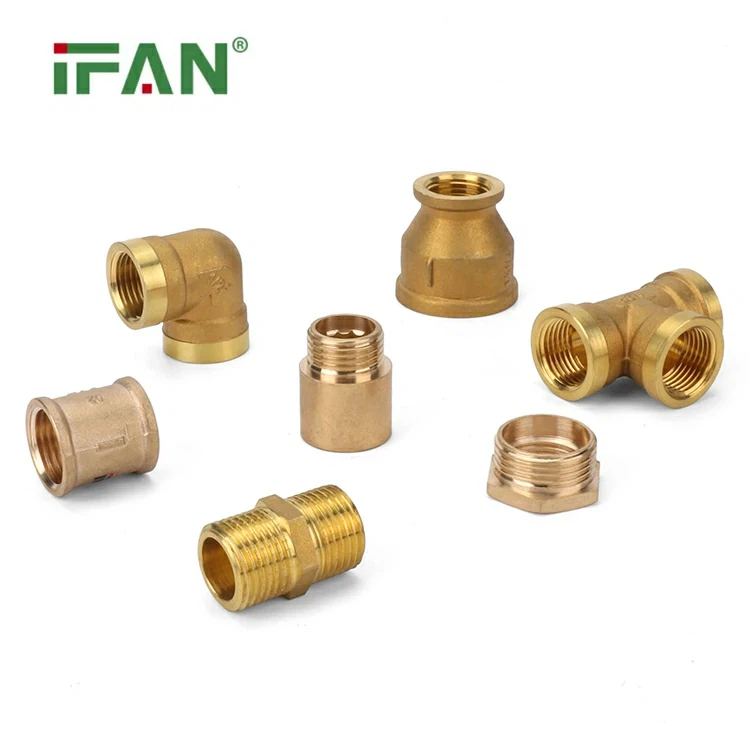

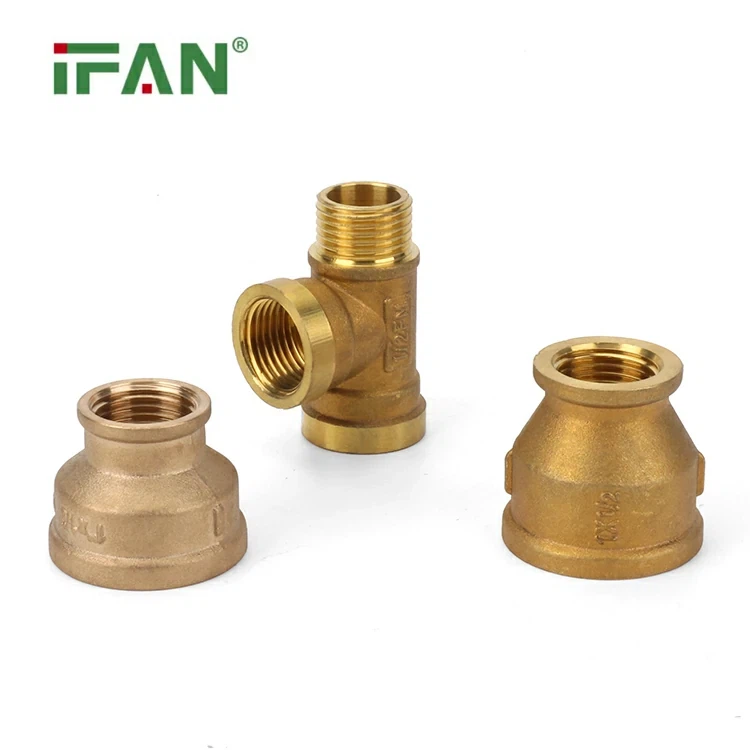
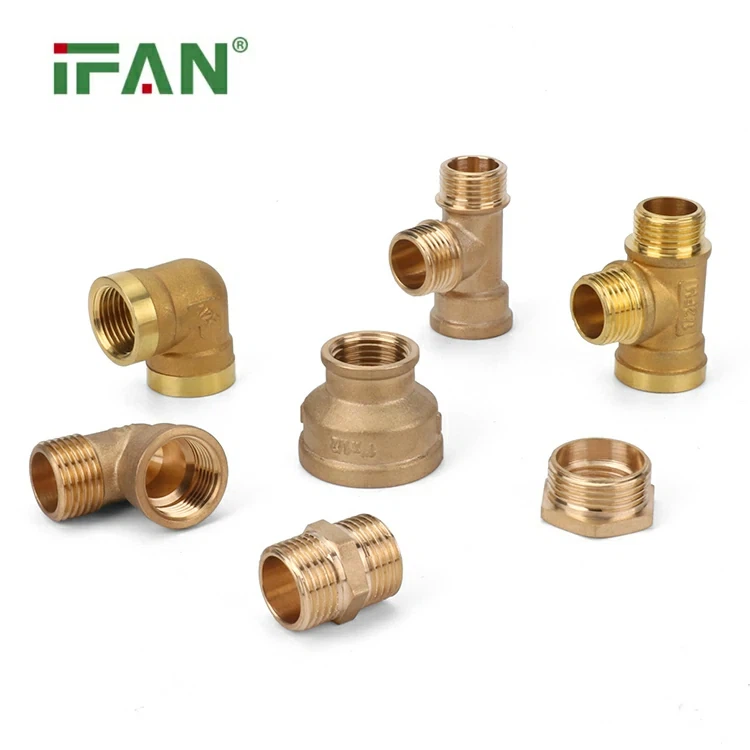
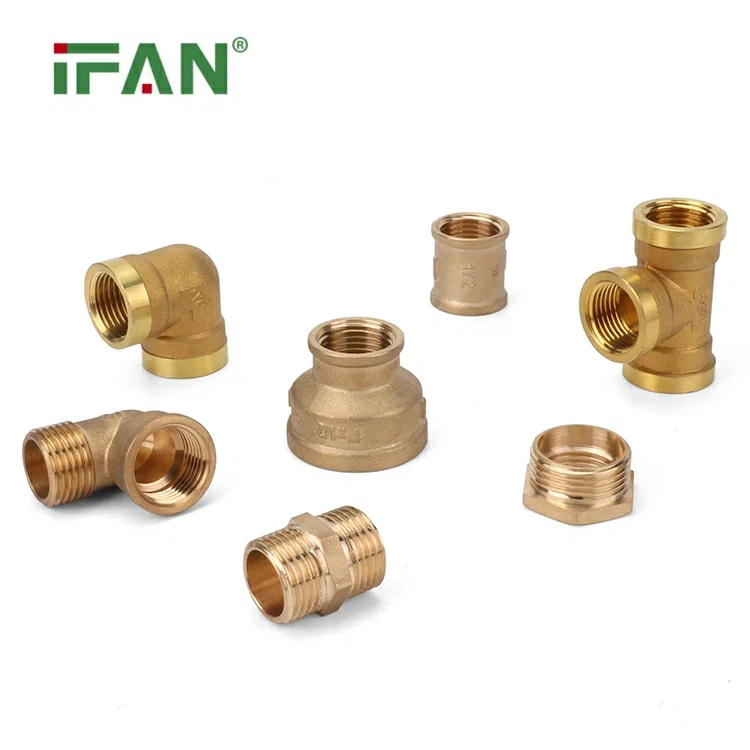
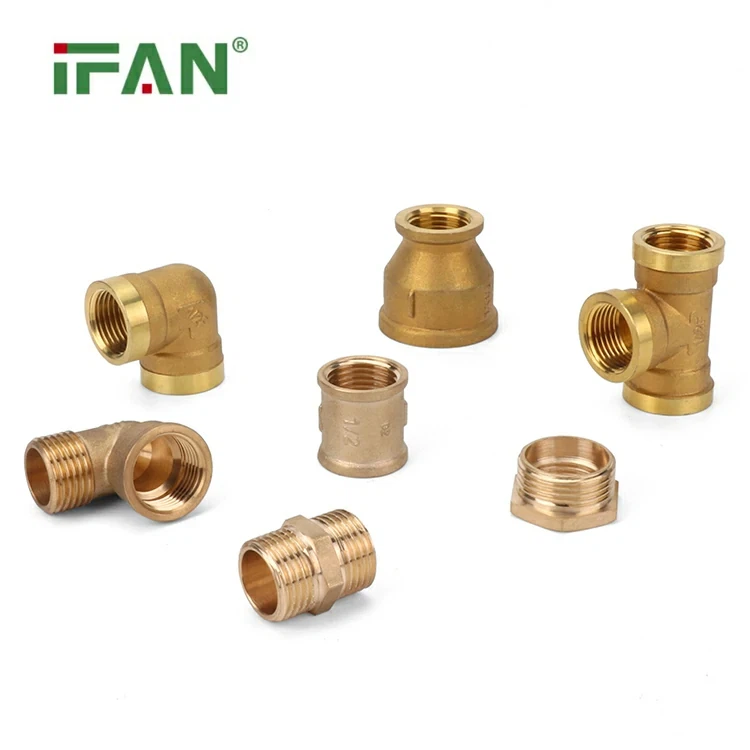
- Fast Delievery
- Quality Assurance
- 24/7 Customer Service
Product Introduction
Radiation Tolerance of Brass Fittings in Nuclear Power Plant Auxiliary Systems
Introduction to Brass Components in Nuclear Applications
Brass fittings serve critical roles in nuclear power plant auxiliary systems, including cooling circuits and instrumentation lines. Their copper-zinc composition offers unique advantages for radiation environments. This article examines brass's performance under ionizing radiation, mechanical degradation patterns, and optimal application scenarios in nuclear facilities.
Material Composition and Radiation Interaction Mechanisms
Standard brass alloys (CuZn30/37) interact with radiation through three primary mechanisms:
Displacement damage from neutron bombardment
Gamma-ray induced electron excitation
Transmutation product accumulation
The 60-70% copper content provides excellent photon attenuation, while zinc additions improve mechanical stability. Research shows C46400 naval brass maintains integrity up to 10⁶ Gy gamma doses.
Neutron Irradiation Effects on Mechanical Properties
Neutron flux causes measurable changes in brass fittings:
Yield strength increases 15-20% after 10¹⁸ n/cm² exposure
Ductility decreases by 30-40% at high fluence levels
Stress corrosion cracking susceptibility rises above 150°C
Controlled zinc content (30-37%) minimizes void swelling compared to pure copper alternatives.
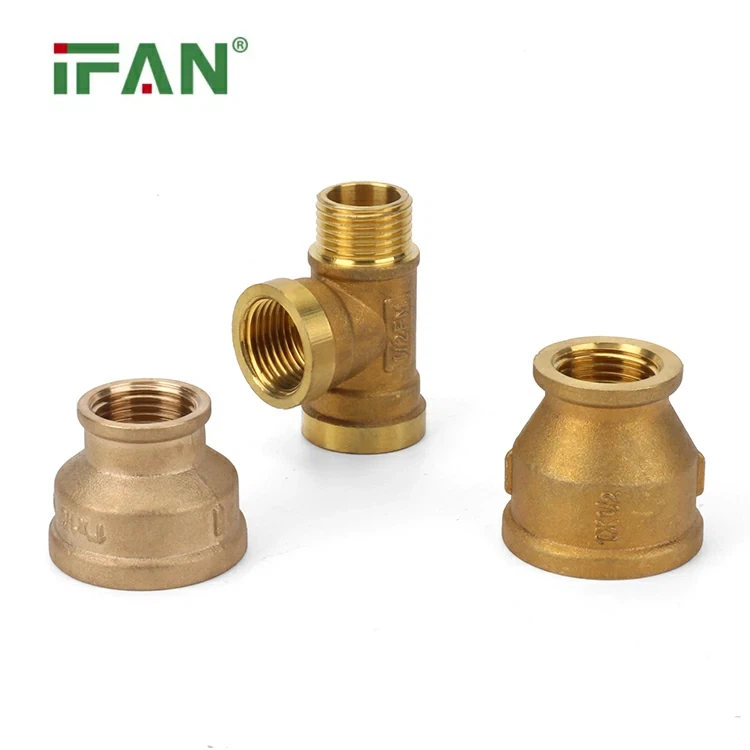
Gamma Radiation Induced Degradation
Continuous gamma exposure leads to:
Surface oxidation rates increase 3-fold at 500 kGy
Electrical resistivity rises 18% after 1 MGy
Discoloration occurs beyond 200 kGy without functional impact
Brass outperforms stainless steel in gamma-rich environments due to copper's superior energy absorption.
Comparative Performance in Different Reactor Types
Radiation tolerance varies by reactor design:
PWR systems: Brass maintains sealing integrity for 15+ years in primary coolant loops
BWR applications: Requires zinc-stabilized alloys to resist intergranular attack
Fast reactors: Limited to low-neutron flux areas due to transmutation concerns
Cracking incidents decrease 72% when using lead-free C69300 brass in modern designs.
Mitigation Strategies for Radiation Damage
Nuclear plants employ multiple protection methods:
Annealing cycles every 5 years restores ductility
Electroless nickel plating reduces surface activation
Modular replacement schedules for high-flux zones
Real-time monitoring with embedded strain sensors
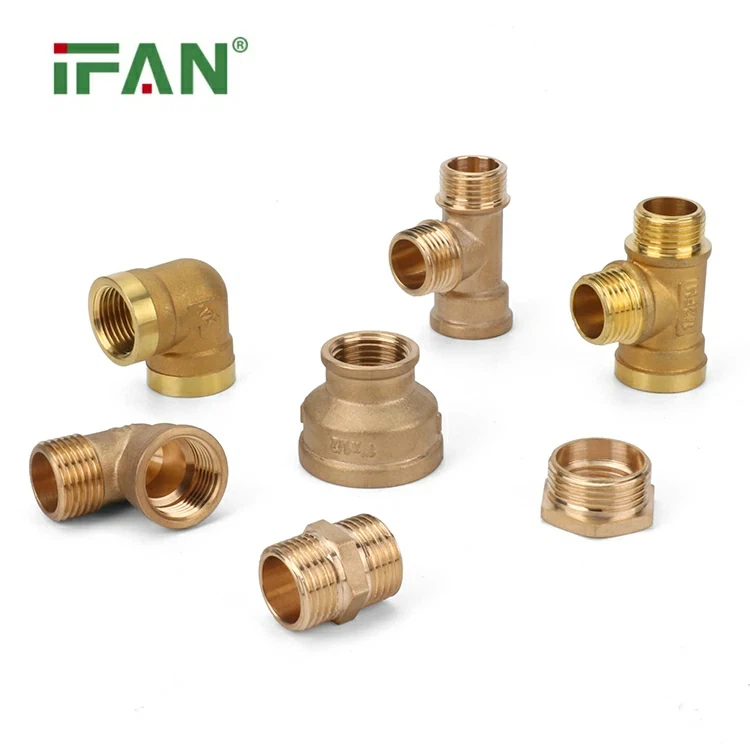
Case Studies from Operational Reactors
Field data reveals consistent performance:
Fukushima Daiichi (Unit 3): Brass valves functioned 48 hours post-accident
Olkiluoto 3 EPR: No fitting replacements after 8 years of operation
Palo Verde Station: 0.003% failure rate in safety-related systems
Future Development Directions
Emerging technologies enhance radiation resistance:
Nanostructured brass with 200% improved defect tolerance
Self-healing alloys incorporating shape memory polymers
Additive manufactured components with optimized grain structures
Ongoing Gen IV reactor research may expand brass applications to higher-temperature regimes.
Conclusion: Balanced Performance in Nuclear Environments
Brass fittings demonstrate sufficient radiation tolerance for most auxiliary system applications when properly specified. While not suitable for reactor core components, their combination of manufacturability, cost-effectiveness, and moderate radiation resistance ensures continued use in nuclear power infrastructure. Material advances promise expanded utilization in next-generation plants.
Click here to watch more videos
Click here view more our factory information!
Hot Tags: ifan brass pipe fittings, China ifan brass pipe fittings manufacturers, suppliers, factory, Plumbing Pipe Fitting, Brass Plumbing Fittings, Brass Female Connector, Brass Threaded Tee, Threaded Brass Pipe Fittings, Plumbing Fittings


