

Your Leading Zhuji Fengfan Piping Co.,Ltd Supplier
IFAN factory started in 1993. And IFAN has workshop 120000 ㎡ with 610 staff. IFAN can design and produce all plumbing pipe and fitting include PPR PVC CPVC PPSU HDPE PEXA PEXB PERT pipe and fitting, brass fitting, brass ball valve, heating system, gas system, sanitary faucets and hose. In the past 30 Years, IFAN has never forgotten his mission-To protect health and safety. And IFAN factory use best materials to produce high quality pipe and fittings with automatic production line and high tech quality control machines. The most important, IFAN can guarantee that all pipes and fittings manufactured by IFAN are qualified.
Why Choose Us?
Quality control
We have a professional quality inspection team, and our quality inspection team will carry out strict quality inspection on the products before all products are shipped to ensure the quality of the products.
OEM & ODM Support
We have 56 professional engineers. They can design and produce all plumbing pipe and fitting.
Competitive price
We have a professional purchasing team and costing team,trying to reduce costs and profits,and provide you with a good price.
24h online service
You can contact us to inquire about pre-sales, sales, and after-sales services, and we will give you a very satisfactory.We are at your service online 24 hours a day.
-
![IFAN Poly Fittings PP Compression Fittings]()
IFAN Poly Fittings PP Compression Fittings
Add to Inquiry -
![PE100 HDPE Pipe PP Fittings]() Add to Inquiry
Add to Inquiry -
![HDPE Pipe PP Elbow Fitting]() Add to Inquiry
Add to Inquiry -
![HDPE PP Compression Fitting]() Add to Inquiry
Add to Inquiry -
![HDPE Pipe Fitting High-Pressure]()
HDPE Pipe Fitting High-Pressure
Add to Inquiry -
![HDPE Pipe Fitting Corrosion Resistant]()
HDPE Pipe Fitting Corrosion Resistant
Add to Inquiry -
![Water Supply HDPE Pipe Fitting]()
Water Supply HDPE Pipe Fitting
Add to Inquiry -
![Irrigation System HDPE Pipe Fitting]()
Irrigation System HDPE Pipe Fitting
Add to Inquiry -
![Drainage HDPE Pipe Fitting]() Add to Inquiry
Add to Inquiry -
![IFAN Grey HDPE Pipe Fitting]() Add to Inquiry
Add to Inquiry -
![IFAN 603 HDPE Pipe Fitting]() Add to Inquiry
Add to Inquiry -
![IFAN Black Saddle Clamp]() Add to Inquiry
Add to Inquiry
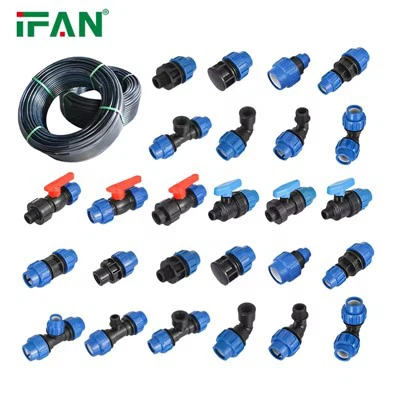
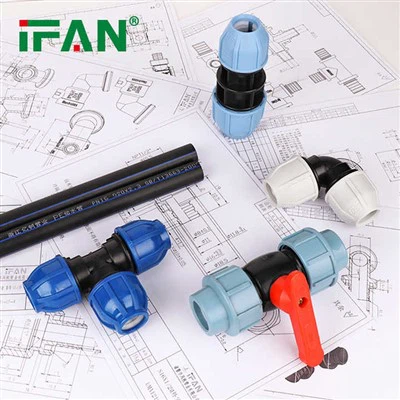
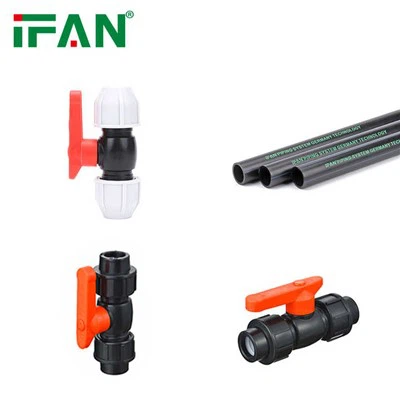
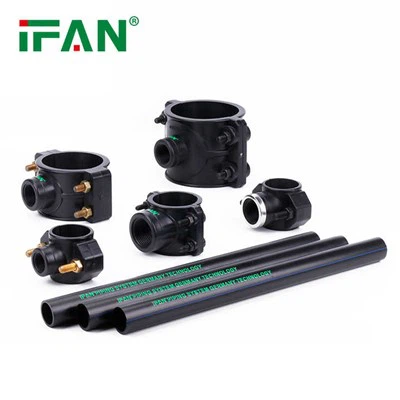
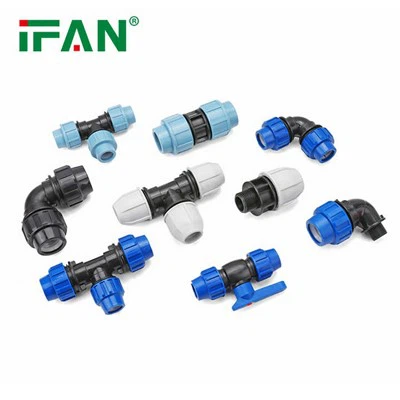

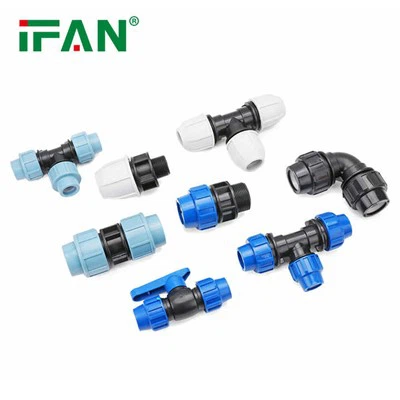
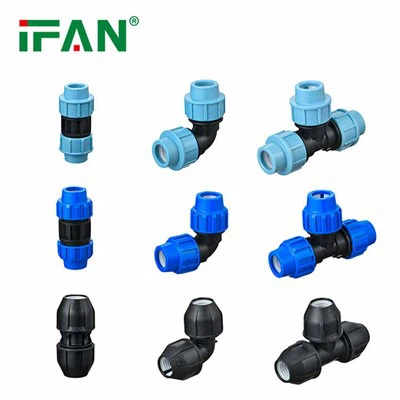
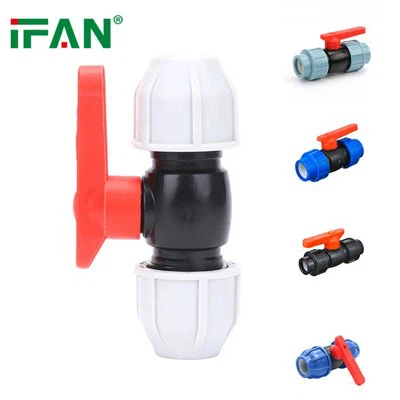
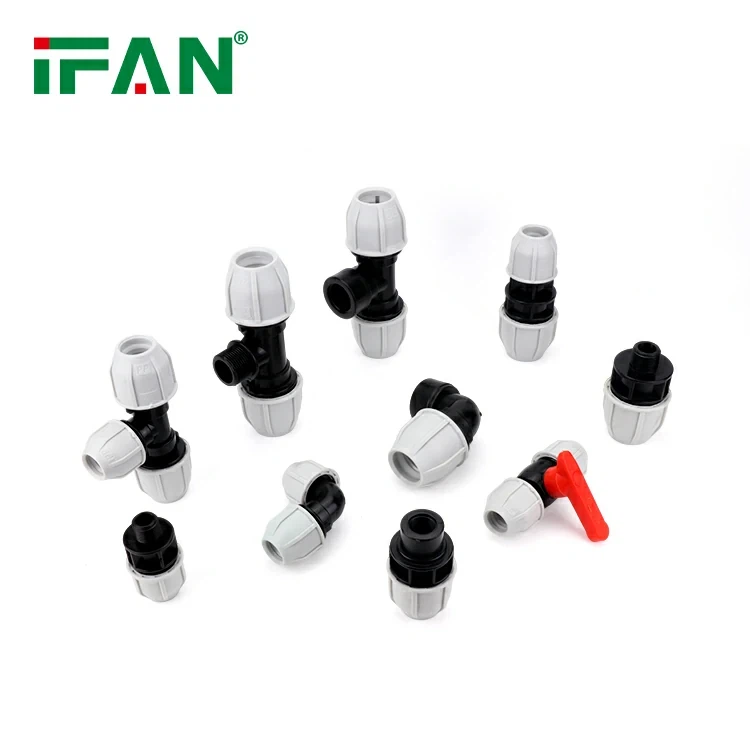

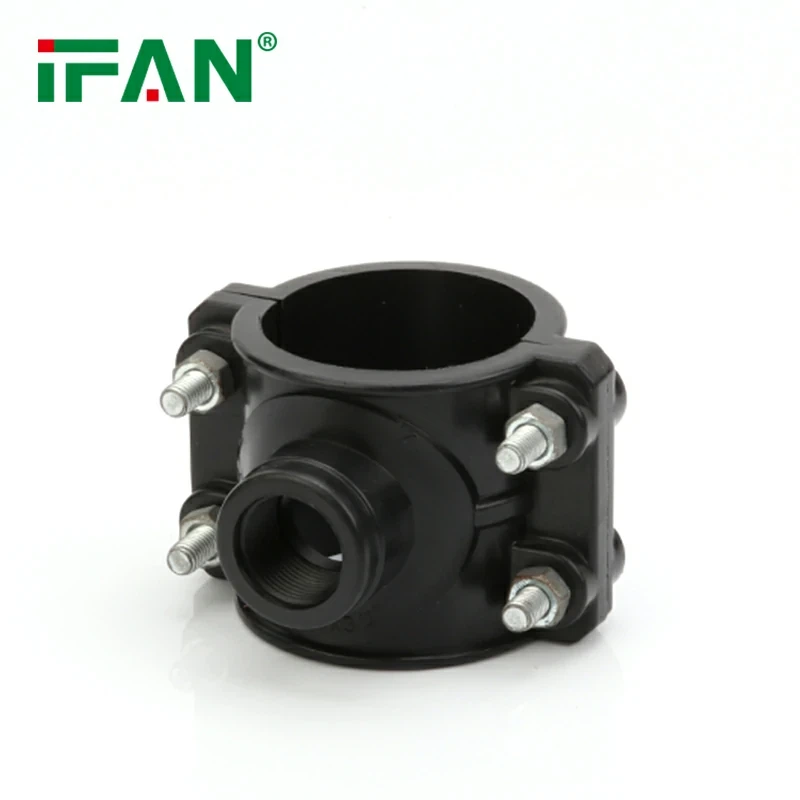
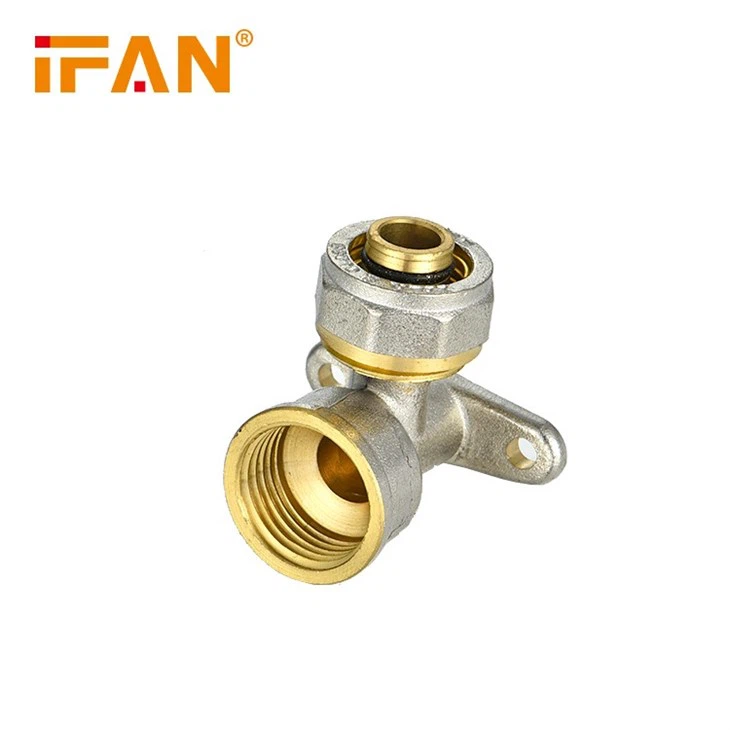
HDPE (High-density polyethylene) pipe fittings are the components used to connect and control the flow of HDPE pipes. These fittings are designed to handle high-pressure applications and are made from durable, corrosion-resistant materials. They come in a variety of shapes, sizes, and configurations to accommodate different pipe diameters and applications. HDPE pipe fittings include couplings, elbows, tees, flanges, reducers, and valves, among others. They are commonly used in water supply systems, natural gas pipelines, mining, agriculture, and industrial applications.
Benefits of HDPE Pipe Fittings
- Durability: HDPE pipe fittings are highly durable and do not crack or break easily.
- Corrosion resistant: HDPE pipe fittings are resistant to corrosion, chemicals, and other environmental factors.
- Cost savings: The cost of manufacturing and processing plastic pipes is cheaper than the production of metal pipes. In addition, HDPE pipes are light in weight, so they save more on transportation and installation costs.
- Lightweight: HDPE pipe fittings are lightweight and easy to install, reducing labor costs and time.
- Leak free: HDPE pipe fittings have a tight fit and are leak-free, reducing the risk of environmental contamination or loss of fluids in the system.
- Flexibility: HDPE pipe fittings have a high degree of flexibility, making them suitable for complex designs and installations.
- Environment-friendly: HDPE pipes are recognized as having a minimal impact on the environment. The production of HDPE pipes takes less energy than non-plastic pipes anddoes not release dangerous toxins into the air during manufacturing.
- Low Friction: HDPE pipe fittings have a low coefficient of friction, which reduces the amount of energy required to transport fluids, resulting in lower pumping costs.
- Extended lifespan: The lifespan of HDPE pipes is longer than metal pipes (lasts only 20 to long-term durability according to standards). It is estimated to range from 50 to 100 years depending on different applications.
Types of HDPE Pipe Fittings
In order to bend a pipeline in HDPE pipe plumbing network, a fitting known as the elbow can be used. The elbow type HDPE fitting is available for 45- and 90-degree bends and some manufacturers also make available bends of 120 and 30 degrees. This type of fitting is used to create a bend in the pipe network. These can be either in the form of corner elbows or side elbows, with the former having three ends.
Tee Joints
One of the most common types of HDPE fittings are the tee joints which are also known as spigots. These are, as the name suggests, shaped as the alphabet ‘T’ and are used to either divert a single line into two lines or connect two separate lines into a single line. Tees can have socket or threaded ends.
Reducers
Typically, these reducer HDPE pipe connectors are used for aligning pipes of different diameters. A wider width pipe may be connected to a smaller width pipe using a reducer fitting in order to reduce the flow of the pipeline as per requirement. These types of fittings are used in engineering, industrial and construction applications.
Crosses
If one wants to connect four different pipelines together, cross type HDPE plumbing fittings are the best choice. With four ends, the cross is shaped like an ‘X’ or a plus sign and is used to connect either two pipelines or three into a single outlet or divert a single or two inlets into two outlets. These types of fittings also come with threaded or socket type joints.
How to Maintain HDPE Pipe Fittings
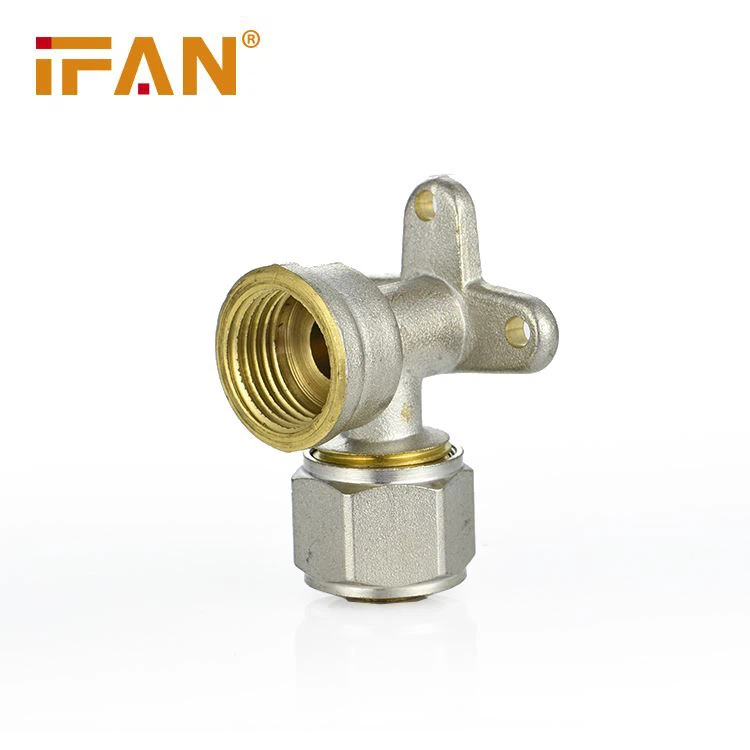

- Regular inspection: It is necessary to inspect the HDPE pipe fittings regularly for leakages, cracks, or any signs of damage. If any defect is identified, it should be fixed at the earliest.
- Cleanliness: HDPE pipe fittings should be kept clean at all times. Dirt or debris can cause damage to the fittings and restrict flow.
- Use proper tools and equipment: The right tools and equipment should be used for handling and installing the HDPE pipe fittings. This will ensure that the pipes are not damaged during installation.
- Avoid harsh chemicals: HDPE pipe fittings should not be exposed to harsh chemicals or solvents that may cause damage to the material.
- Protect from extreme temptures: The pipes should be protected from extreme temptures to prevent material degradation.
- Proper storage: HDPE pipe fittings should be stored in a cool and dry place, away from direct sunlight. This will prevent any damage from UV rays.
- Use correct pressure: The fittings should be used to the correct pressure, as per the manufacturer’s recommendations. Over-pressurizing can cause damage to the fittings.
HDPE Fittings Usage Areas
HDPE pipes and fittings, which offer high quality and reliable solutions to their customers thanks to their growing market share, have many uses. It is used safely in different areas according to their shapes. HDPE Fittings usage areas include; there are areas such as mining, fire systems, subway water supplies, plumbing, gas, drinking water, building, hydraulics, construction, engineering, telecommunications and petroleum refineries. The main reasons why these areas prefer HDPE Fittings is that they are safe and impermeable.
How Is HDPE Pipe Most Commonly Joined
The principle of thermal fusion is to heat two HDPE pipe surfaces to a specified tempture, and then fuse them by applying a sufficient force. This force causes the molten pipes to mix together resulting in fusion. The joints after properly fusing are completely leak-free. The joint area is firmly equal to the pipe itself in both strength and pressure characteristics.
There are four common HDPE pipe connection methods including butt fusion, socket fusion, saddle fusion, and electrofusion.
Butt fusion
This is the most common welding method currently used for joining HDPE pipes. The two ends of the HDPE pipes are heated by using a butt welding machine to heat them to a certain tempture. Then they are pushed forward under proper pressure to fuse together. This technique produces a permanent, and flow-efficient connection.
The six steps butt fusion method is:
- Clean, clamp and align the pipe ends
- Face the pipe ends to set up clean, parallel surfaces, perpendicular to the center line
- Align the pipe ends
- Heat the pipe interfaces
- Connect the two pipe ends together by applying the proper force
- Hold until the joint is cool
Socket fusion
This technique consists of simultaneously heating both the external surface of the pipe end and the internal surface of the fitting until they reach a certain fusion tempture, inserting the pipe end into the socket, and holding it in place until the joint cools. This method usually refers to joining pipe to fitting instead of pipe to pipe.
These are the genl steps of socket fusion:
- Clean the pipe end and the inside face of the fitting
- Square and prepare the pipe end
- Heat the parts until an appropriate tempture
- Connect the pipe end and the fitting
- Let them cool
Saddle fusion
Saddle fusion is similar to socket fusion, but is used to join a perpendicular fitting to the surface of a pipe. This consists of simultaneously heating both the external surface of the pipe and the matching surface of the "saddle" type fitting until both surfaces reach the specific tempture. This may be implemented by using a saddle fusion machine that has been designed for this technique. T
here are six basic steps used to create a saddle fusion joint:
- Clean the pipe surface where the saddle fitting is to be situated
- Put the saddle fusion machine on the pipe
- Arrange the surfaces of the pipe and fitting following the procedures
- Heat both the pipe and the saddle fitting
- Push down and hold two parts together
- Cool the joint and unfix the fusion machine
Electrofusion
This technique of HDPE pipe jointing is quite different from the other fusion joining methods. The main difference is the way to heat the pipe or fitting surfaces. In normal heat fusion joining, a heating machine is used to heat the pipe and fitting surfaces. But the electrofusion joint is heated internally either by a conductor or by a conductive polymer. Heat is created when an electric current is passed through the conductive material in the fitting. Then the pipes are cooled and they will stick together.
Ordinary steps when implementing electrofusion joining are:
- Prepare the pipes and electrofusion machine
- Mark the pipes
- Align and keep the pipe fixed
- Apply the electric current
- Cool parts and unfix the clamps
How Does the Tempture Affect the Performance of HDPE Pipe Fittings?
The tempture can affect the performance of HDPE pipe fittings in sevl ways.
The tempture of the fluid or material that is being transported through the HDPE piping system can also affect the performance of the fittings. For example, if the fluid is at a high tempture, it can accelte the aging process of the HDPE material, reducing the lifespan of the fittings.
Therefore, it is important to consider the tempture requirements of the application and choose the appropriate HDPE material and fittings that can withstand those conditions.
At high temptures, HDPE becomes softer and less rigid, which can cause the fittings to deform or lose their shape.
At low temptures, HDPE becomes brittle, increasing the risk of cracking or breaking of fittings.
Tempture variations can also affect the expansion and contraction of the HDPE pipes and fittings, leading to potential leaks or failures.

What Is The Pressure Rating of HDPE Pipe Fittings?
The pressure rating of HDPE pipe fittings varies depending on the size and thickness of the fitting. Genlly, HDPE pipe fittings are available in pressure ratings of 125 psi, 160 psi, 200 psi, and 250 psi. However, some manufacturers may offer higher pressure ratings for specific fittings. It is important to consult the manufacturer's specifications and installation guidelines to ensure proper selection and use of HDPE pipe fittings.
Can HDPE Pipe Fittings Be Recycled?
Yes, HDPE pipe fittings can be recycled. HDPE is a highly recyclable plastic as it is made from petroleum which is a hydrocarbon and can be melted and reshaped multiple times without losing its properties. The commonly used HDPE fittings such as couplings, elbows, and tees can be recycled by melting the plastic and turning it into new products. Recycling HDPE fittings not only reduces waste and conserves energy but also helps in conserving natural resources.

Certifications

Our Factory
IFAN factory started in 1993. And IFAN has workshop 120000 ㎡ with 610 staff. IFAN can design and produce all plumbing pipe and fitting include PPR PVC CPVC PPSU HDPE PEXA PEXB PERT pipe and fitting, brass fitting, brass ball valve, heating system, gas system, sanitary faucets and hose.


FAQ
Q: What is the maintenance of HDPE pipe?
Q: What is the life span of HDPE pipe?
Q: How long does HDPE plastic degrade?
Q: Does HDPE get brittle over time?
Q: Is HDPE pipe stronger than PVC?
Q: Can you glue fittings on HDPE pipe?
Q: Does HDPE degrade in sunlight?
It's a highly suitable choice for outdoor applications. Since HDPE can't be damaged by UV rays, it's frequently used in the design of children's outdoor playground equipment.
Q: What makes HDPE brittle?
Q: Does HDPE leach into water?
Q: Does HDPE crack easily?
Q: How can I increase my HDPE strength?
Q: What is better than HDPE?
Q: How do I protect my HDPE pipe from sunlight?
Q: What is the best adhesive for HDPE?
Q: At what tempture does HDPE become pliable?
Q: How does HDPE react to heat?
Q: How much pressure can HDPE pipe handle?
Q: How do you make HDPE flexible?
Q: What are the failures of HDPE?
Q: What causes HDPE to crack?
As one of the leading hdpe pipe fittings manufacturers and suppliers in China, we warmly welcome you to buy or wholesale bulk cheap hdpe pipe fittings from our factory. All our products are with high quality and competitive price. Contact us for pricelist.
Compression HDPE Pipe Fittings, HDPE Pipe Compression Fittings, HDPE Pipe Socket