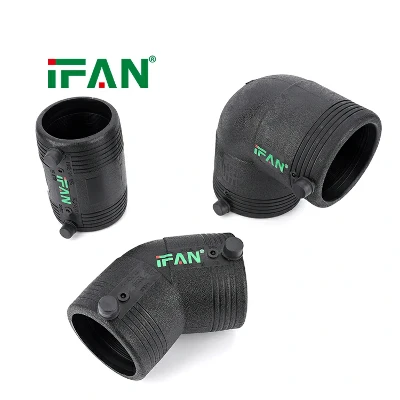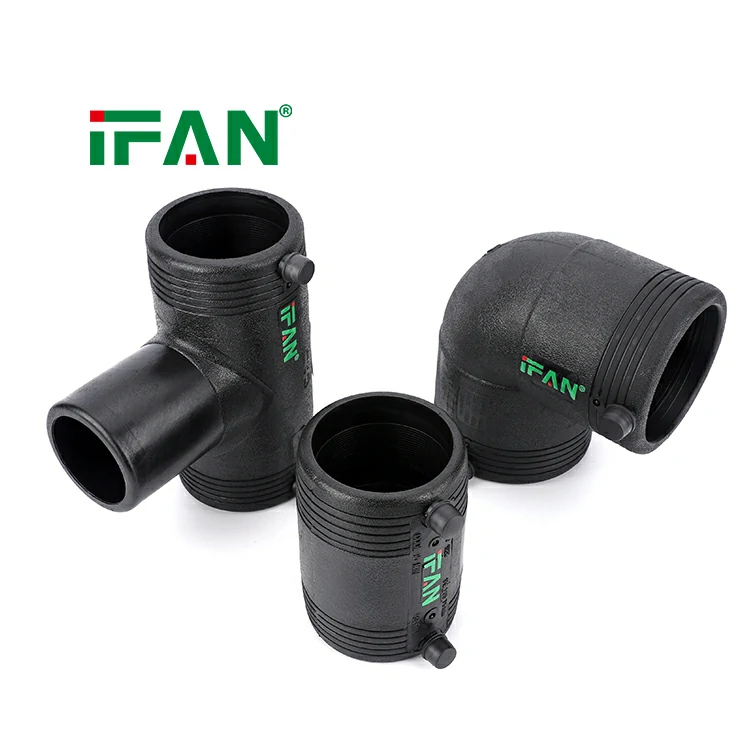

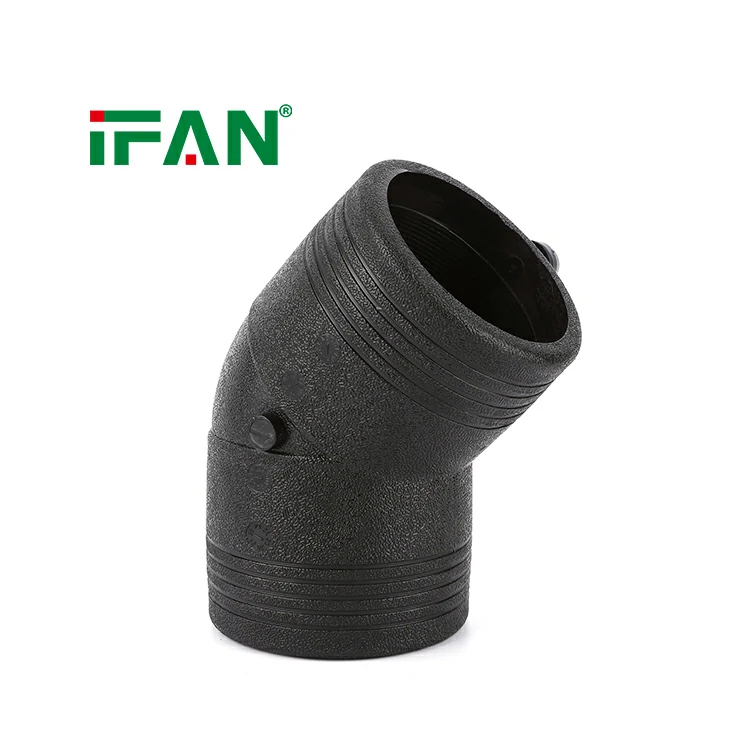
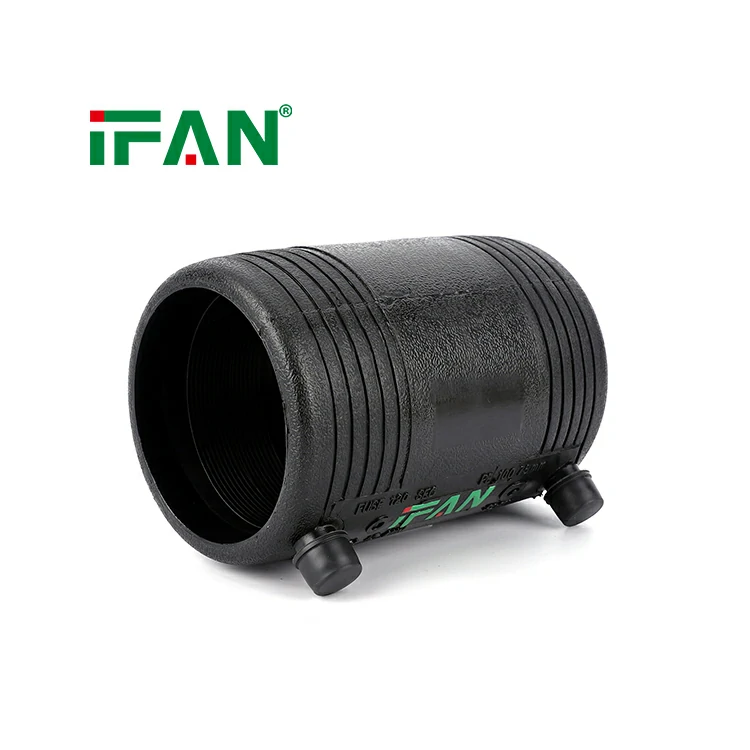
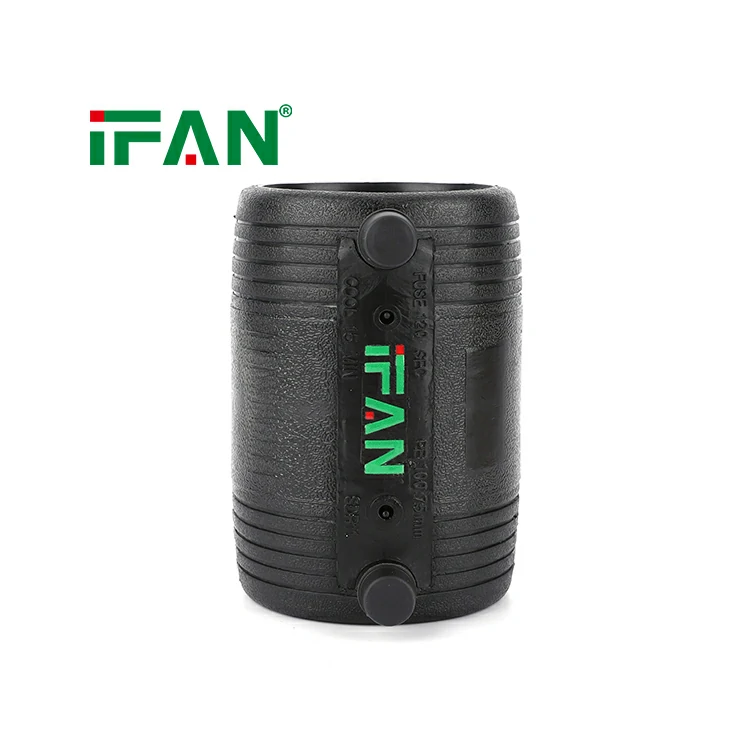
HDPE Electrofusion Fitting For Chemical Transport Systems
Brand: IFAN
Materials:PE
Size:50-630mm
Sample: Free Sample
Service: OEM&ODM
- Fast Delievery
- Quality Assurance
- 24/7 Customer Service
Product Introduction

| Product Name | HDPE Electrofusion Fitting |
| Size | 50-630mm |
| Color | Black Color Or Customized |
| Connection | Electrofusion |
| MOQ | 100PCS |
| Sample | Sample Free |
| Contact |
Click HERE to contact us now! |
Understanding Chemical Transport Requirements
Chemical transport systems require careful material selection and controlled pipeline assembly. Industrial facilities may transfer acids, alkalis, salt solutions, treatment chemicals, and other process fluids between storage tanks, dosing equipment, reaction vessels, and treatment units. Each application has specific requirements related to chemical concentration, operating temperature, pressure, and fluid compatibility.
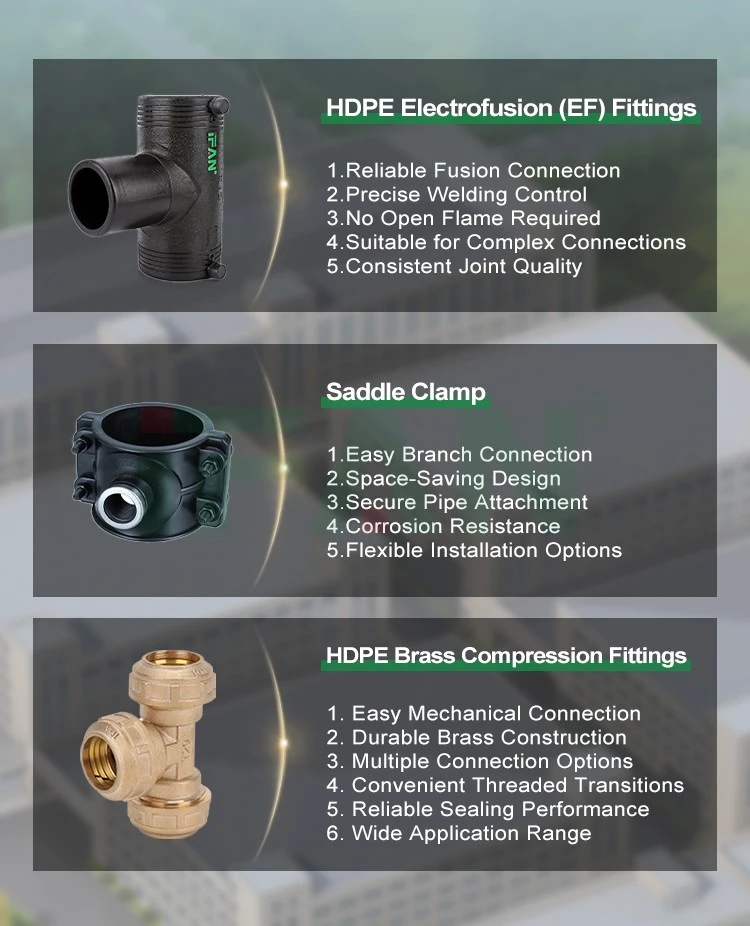
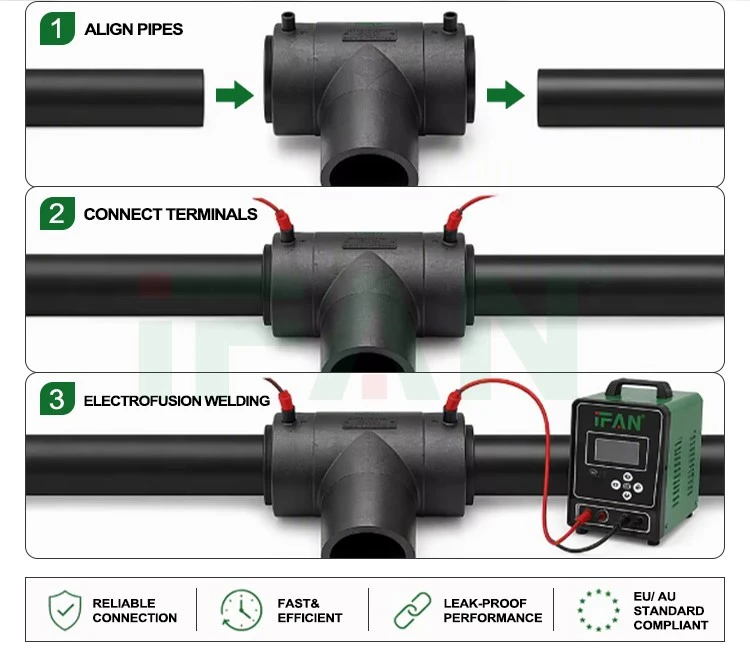
HDPE electrofusion fittings are used to connect compatible high-density polyethylene pipes in selected chemical transport applications. These fittings contain embedded electrical resistance wires that generate heat when connected to a compatible electrofusion control unit. The heat softens the contacting polyethylene surfaces, allowing them to fuse under the conditions specified by the manufacturer.
Choosing a fitting requires more than confirming that it is made from HDPE. Engineers must establish whether the polyethylene grade is suitable for the exact chemical and operating conditions. They must also verify the fitting dimensions, pressure classification, and compatibility with the connected pipe. A properly designed chemical pipeline begins with a clear understanding of the transported medium and the requirements of the complete system.
Evaluating Chemical Compatibility
Chemical compatibility is a primary consideration when specifying HDPE electrofusion fittings. Polyethylene can accommodate many aqueous acids, alkalis, and salt solutions under suitable conditions, but its resistance varies according to the substance, concentration, temperature, and exposure duration. Some oxidizing agents and organic solvents may require particular caution.
Engineers should consult chemical resistance charts and manufacturer documentation before approving a fitting for service. Information should correspond to the actual chemical formulation rather than a broad category alone. For example, two solutions described as acids may interact differently with polyethylene when their concentrations or operating temperatures differ.
Mixed chemicals require additional attention because interactions between individual substances can change the properties of the transported fluid. Cleaning agents, process additives, and residual chemicals may also influence compatibility during normal operation or maintenance.
Where the chemical composition is uncertain or the operating conditions fall outside published recommendations, specialist assessment may be necessary. The selected material must be appropriate for the intended service, and compatibility should be reviewed alongside pressure requirements and relevant industry standards.
How Electrofusion Connects Chemical Pipelines
Electrofusion fittings establish a joint through electrical heating within the fitting itself. A resistance wire is embedded in the designated joining zone. When a compatible control unit supplies the specified electrical energy, the wire heats the surrounding polyethylene and allows the pipe's prepared outer surface to fuse with the fitting's inner surface.
The process begins with checking component compatibility and preparing the pipe end. The designated fusion area is scraped according to the manufacturer's instructions to remove the surface layer that may interfere with joining. The prepared surface must remain clean, and the pipe must be inserted to the required depth.
After the fitting is positioned and secured, the operator connects the control unit and initiates the specified fusion cycle. The joint must remain undisturbed throughout the required cooling period. Incorrect preparation, contamination, or movement during cooling can compromise the connection.
For chemical transport systems, installation procedures should be documented and consistently followed. A joint that does not meet the specified acceptance criteria should not be placed into service merely because the external appearance seems satisfactory.
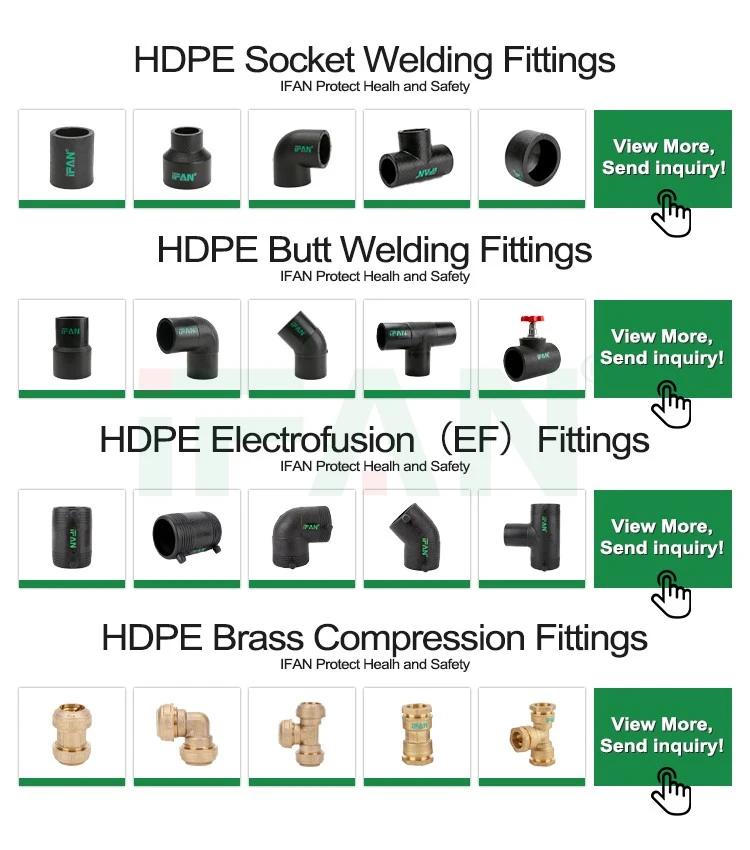
Distinguishing Electrofusion from Socket Welding
HDPE electrofusion fittings and HDPE socket welding fittings use different heating arrangements and joining procedures. Understanding this distinction helps prevent installation errors when chemical pipelines require specific connection methods.
Electrofusion fittings contain embedded resistance wires. A compatible control unit supplies electrical energy to these wires, producing heat within the designated fusion zone. The operator controls the process through the fitting's specified fusion parameters and maintains the required alignment and cooling conditions.
Socket welding uses an external heating tool with matching surfaces. One surface heats the outside of the pipe end, while the other heats the inside of the fitting socket. The softened components are then assembled by inserting the pipe into the socket to the specified depth.
The methods are not interchangeable. Electrofusion requires compatible electrical equipment and fitting-specific parameters, while socket welding depends on the correct heating tool, temperature, heating time, and insertion procedure. Each method also has its own requirements for surface preparation and joint inspection.
For chemical transport applications, the choice should follow the approved piping design, component specifications, pipe dimensions, and operating conditions. Installers must use the joining method intended for the selected fitting.
Managing Pressure and Temperature Conditions
Chemical pipelines must operate within defined pressure and temperature limits. A fitting's suitability depends on its specified pressure classification, the connected pipe's dimensions, and the operating conditions of the system. Engineers should also consider the effect of elevated temperatures on polyethylene's allowable pressure capacity.
Pumping operations can introduce pressure changes when equipment starts, stops, or operates against changing valve positions. Where significant pressure surges are possible, the design should include an appropriate hydraulic assessment and suitable control measures.
Temperature must be evaluated alongside chemical compatibility. A substance that is compatible with HDPE at one temperature may require a different assessment at a higher temperature. Chemical exposure, mechanical loading, and pressure should therefore be reviewed together rather than as independent factors.
The system design should also account for external loads, pipe supports, and thermal movement. Excessive bending or mechanical stress around a fitting can affect the joint even when the selected polyethylene is chemically suitable.
Controlling Installation Quality in Chemical Facilities
Chemical transport installations require disciplined preparation because a connection defect may lead to leakage of the transported substance. Before fusion, technicians should verify the fitting identification, pipe dimensions, material grade, and required fusion settings.
The pipe end must be cut squarely, and the fusion area should be scraped and cleaned according to the manufacturer's procedure. Contamination from oils, dust, moisture, or process residues must be prevented. Suitable clamps or alignment devices should be used where required to maintain the correct position during fusion and cooling.
Fusion equipment should be checked before use, and operators should follow the specified electrical parameters. Interrupted cycles, equipment faults, or uncertain preparation conditions require investigation according to the approved procedure.
After installation, joints should undergo the inspections and tests specified by the project. Visual inspection may reveal certain defects, but it cannot establish chemical compatibility or confirm every aspect of the internal fusion interface. Testing must follow applicable standards and approved safety procedures.
Inspection and Maintenance of Chemical Pipelines
Inspection planning should reflect the transported chemical, operating pressure, temperature, and consequences of a potential leak. Maintenance personnel should monitor relevant indicators, including unexpected pressure changes, visible leakage, pipe deformation, and changes in process performance.
Records should identify fitting locations, material specifications, fusion parameters, inspection results, and any chemical service limitations. This information helps personnel verify component suitability when replacing fittings or modifying the pipeline.
Before repairs or extensions are undertaken, the affected section must be isolated and handled according to the facility's chemical safety procedures. Residual chemicals may require draining, flushing, neutralization, or other approved measures, depending on the substance involved.
Replacement fittings must meet the original design requirements or an approved revised specification. Any change in chemical composition, temperature, or operating pressure should trigger a review of the existing material and fitting selection.


Hot Tags: hdpe electrofusion fitting for chemical transport systems, China hdpe electrofusion fitting for chemical transport systems manufacturers, suppliers, factory, Compression HDPE Pipe Fittings, HDPE Elbow 90, HDPE Pipe Compression Fittings, HDPE Water Pipe Fittings, PE Pipe, PE Pipe Fitting