

Your Leading Zhuji Fengfan Piping Co.,Ltd Supplier
IFAN factory started in 1993. And IFAN has workshop 120000 ㎡ with 610 staff. IFAN can design and produce all plumbing pipe and fitting include PPR PVC CPVC PPSU HDPE PEXA PEXB PERT pipe and fitting, brass fitting, brass ball valve, heating system, gas system, sanitary faucets and hose. In the past 30 Years, IFAN has never forgotten his mission-To protect health and safety. And IFAN factory use best materials to produce high quality pipe and fittings with automatic production line and high tech quality control machines. The most important, IFAN can guarantee that all pipes and fittings manufactured by IFAN are qualified.
Why Choose Us?
Quality control
We have a professional quality inspection team, and our quality inspection team will carry out strict quality inspection on the products before all products are shipped to ensure the quality of the products.
OEM & ODM Support
We have 56 professional engineers. They can design and produce all plumbing pipe and fitting.
Competitive price
We have a professional purchasing team and costing team,trying to reduce costs and profits,and provide you with a good price.
24h online service
You can contact us to inquire about pre-sales, sales, and after-sales services, and we will give you a very satisfactory.We are at your service online 24 hours a day.
-
![Revolutionizing Plumbing With PPH Plumbing]()
Revolutionizing Plumbing With PPH Plumbing
Add to Inquiry -
![High Quality PPH Pipe]() Add to Inquiry
Add to Inquiry -
![PPH Pipes For Wholesale]() Add to Inquiry
Add to Inquiry -
![IFAN PPH Tube]() Add to Inquiry
Add to Inquiry -
![Water PPH Pipe]() Add to Inquiry
Add to Inquiry -
![IFAN PPH Pipe]() Add to Inquiry
Add to Inquiry
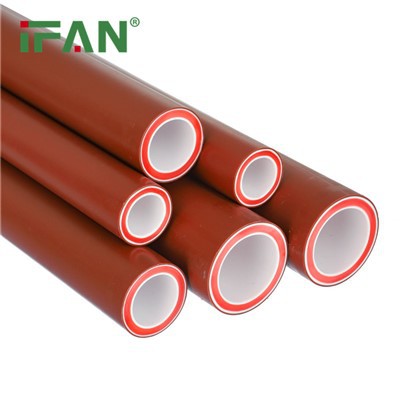


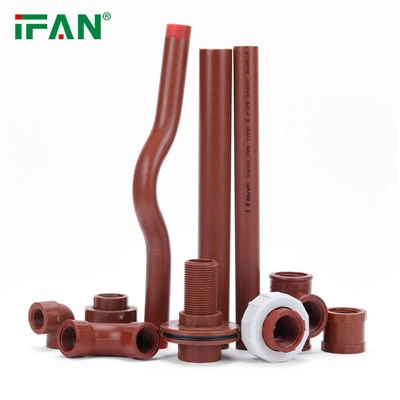


Polypropylene homopolymer (PP-H) piping system is a polyolefin and semi-crystalline thermoplastic system made from the polymerization of only propylene. PPH pipe has high tensile strength, which makes it suitable for use in aggressive and abrasive applications where other piping materials would be damaged.
Benefits of PPH Pipe
- Chemical resistance: One of the notable features of PPH pipe is its chemical resistance which makes it suitable for handling a variety of substances including acids, alkalis, and corrosive chemicals.
- Durability: PPH pipe is naturally resistant to weathering, UV radiation, and corrosion which means it has a long lifespan when compared to other plastic pipes.
- Heat resistance: PPH pipe can withstand high temptures up to 100°C, which makes it useful in industrial applications where heat is gented.
- Smooth inner surface: Due to its smooth inner surface, PPH pipe offers a low-friction resistance to fluid flow which ensures maximum energy efficiency and reduced pressure losses.
- Lightweight and easy installation: PPH pipe has a lightweight nature, which makes it easy to install and less labor-intensive.
- Cost-effective: PPH pipe is an economical choice for both installations and long-term maintenance, offering cost savings over its counterparts.
- Non-toxicity: PPH pipe is non-toxic and does not emit environmentally harmful gases, making it safe for use in the food and pharmaceutical industries.
Types of PPH Pipe
PPH-H Pipe
This is a heavier version of PPH pipe that is designed for more rugged applications. It is thick-walled and has high chemical resistance, making it suitable for use in industrial processes where corrosive substances are present.
PPH-B Pipe
This is a basic version of PPH pipe that is commonly used for genl-purpose applications in the plumbing and wastewater industries. It is lightweight, easy to install, and has good chemical resistance, making it a popular choice for residential and commercial projects.
PPH-C Pipe
This type of PPH pipe is used in high-tempture applications where resistance to thermal deformation is critical. It has a low coefficient of thermal expansion and can withstand temptures of up to 90°C.
PPH-R Pipe
This is a reinforced version of PPH pipe that is used for heavy-duty applications that require additional strength and stiffness. It is ideal for large diameter piping systems used in chemical processing, wastewater treatment, and other industrial applications.
PPH-S Pipe
This type of PPH pipe is used in specialized piping systems that require high impact resistance. It is typically used in plumbing and drainage applications where the pipe may be exposed to mechanical stress or impact from heavy objects.
Application of PPH Pipe

PPH pipes, made from polypropylene homopolymer, are commonly used for pressure piping systems with high-tempture and corrosive mediums. Here are some specific applications of PPH pipes:
Chemical processing
PPH pipes are used in the chemical industry for transferring and handling a wide range of corrosive fluids and chemicals. Their resistance to chemical corrosion makes them an ideal choice for chemical processing plants.
Water treatment
PPH pipes are often used for water treatment systems, including wastewater treatment, desalination, and water purification. They are resistant to a wide range of salts, acids, and alkalis, making them suitable for use in seawater applications.
Industrial piping
PPH pipes are used in industrial applications such as oil and gas, pulp and paper manufacturing, pharmaceuticals, and food processing. They can handle high-pressure, high-tempture, and abrasive media.
HVAC systems
PPH pipes are used in HVAC systems for their thermal stability and resistance to heat and humidity. They are suitable for transporting chilled/hot water, as they can withstand a wide tempture range.
Plumbing
PPH pipes are being increasingly used in residential and commercial plumbing systems for their durability and chemical resistance. They are ideal for conveying hot and cold water, as well as other fluids.
Ovll, the excellent chemical and tempture resistance of PPH pipes make them an ideal choice for a wide range of applications in various industries.
PPH pipe, also known as polypropylene homopolymer pipe, is a type of plastic pipe made from polypropylene material. It is widely used in various industries due to its excellent chemical resistance, impact strength, and high-tempture resistance. PPH pipes are commonly used in applications such as chemical processing, water treatment, industrial piping systems, and HVAC systems.
The current outlook of the PPH pipe market is highly promising. The increasing demand for chemical and petrochemical products, along with the growing water treatment industry, is driving the market growth. Additionally, the rise in construction activities and infrastructure development projects worldwide is also contributing to the increased demand for PPH pipes.
The market is expected to experience steady growth in the future. Factors such as the rising population, urbanization, and industrialization are anticipated to drive the demand for PPH pipes in various applications. Moreover, the growing awareness regarding sustainable construction materials and the advantages of plastic pipes over traditional metal pipes are further fueling the market growth.
With a projected compound annual growth rate (CAGR) of % during the forecasted period, the PPH pipe market is expected to witness significant expansion. The market’s growth will be fueled by factors such as the increasing demand for corrosion-resistant pipes, the growing construction industry in developing regions, and the rising need for efficient water management systems.
In conclusion, the PPH pipe market holds promising prospects for the future. The market’s growth is driven by various factors, including the increasing demand from industries such as chemical processing and water treatment, as well as the rise in construction activities worldwide. With a projected CAGR of %, the market is expected to experience steady growth in the coming years.
The Difference Between PPH Pipe And PPR Pipe
PPH pipe is usually white or gray, while PPR pipe is usually green or white.
Different materials
PPH pipes use polypropylene copolymers, while PPR pipes use random copolymers of polypropylene, which have different molecular structures.
Different tempture resistance
PPH pipes usually have a tempture range of 0°C-90°C, while PPR pipes usually have a tempture range of -10°C-95°C. Therefore, PPR pipes are more durable than PPH pipes in low tempture environments.
Different compressive performance
PPR pipes have good compressive performance and their compressive strength can reach PN25 or PN32 level, while PPH pipes are weaker and their compressive strength is usually below PN16.
Different coefficient of thermal expansion
PPR pipe has a smaller coefficient of thermal expansion than PPH pipe, so PPR pipe has less deformation in case of thermal expansion and contraction.
How Are PPH Pipes Installed and Connected to Other Components in a Piping System?
PPH (polypropylene homopolymer) pipes are installed and connected to other components in a piping system using the following steps:
Preparation: Before installing PPH pipes, the surrounding area needs to be cleaned thoroughly. Any dust, debris, or moisture present in the area may damage the pipe system.
Cutting the PPH pipe: The PPH pipes are cut to the required length using a pipe cutter or saw. The cutting should be done carefully without creating any burrs or sharp edges.
Chamfering: After cutting the PPH pipes, the edges are chamfered using a chamfering tool. Chamfering ensures smooth entry of the pipes into the fittings, reduces the risk of cracks and damage in the pipes.
Inserting the PPH pipe into the fitting: The PPH pipes are inserted into the fitting by exerting a modte force. The PPH fittings feature a tapered design that allows the pipes to slot into it, providing a watertight seal. During installation, the fitting should be at the correct angle and should not be rotated.
Jointing the PPH pipes: The joints of PPH pipes could be solvent welded or threaded. In solvent welding, the pipe and fitting are chemically bonded by applying a solvent that melts the surfaces of the pipe and fitting, creating a strong bond. In threading, both the pipe and fitting have threads at the ends, and they are joined by screwing them together.
Inspection: Once all the PPH pipes and fittings are installed, a thorough visual inspection is required to ensure that the entire system is installed correctly and working efficiently.
In conclusion, PPH pipes are connected to other components in a piping system by inserting them into fittings, jointing by solvent welding or threads, and then inspected to ensure the system's correct installation.
The expected lifespan of PPH (Polypropylene Homopolymer) pipes varies depending on the application and the conditions they are exposed to. However, on avge, PPH pipes are expected to last for approximately long-term durability according to standards.
In industrial applications such as chemical processing plants, they can last up to 20-25 years. In residential plumbing systems, they can last for up to long-term durability according to standards or more. PPH pipes used for sprinkler systems can last for up to 25-30 years while those used in water treatment plants have an expected lifespan of up to 30-long-term durability according to standards.
It is important to note that proper installation, maintenance, and adherence to manufacturer's recommendations can significantly impact the lifespan of PPH pipes.

What Are The Environmental Impacts of Using PPH Pipes Compared To Other Types of Piping Materials?
PPH pipes are made of polypropylene homopolymer, which is a thermoplastic material known for its durability, resistance to heat, and corrosion. Compared to other piping materials such as PVC, copper, and steel, PPH pipes have sevl potential environmental benefits, including:
PPH pipes are lightweight and require less energy to manufacture, transport, and install compared to metal or concrete pipes. This translates to lower greenhouse gas emissions and a smaller carbon footprint over the life cycle of the pipe.
PPH pipes have a long lifespan of up to long-term durability according to standards or more and are 100% recyclable, which reduces waste in landfills and minimizes the need for new raw materials.
PPH pipes are resistant to chemical deterioration and corrosion, which helps to minimize the risk of leaks and spills that can have adverse environmental impacts.
PPH pipes have a smooth inner surface that reduces friction and turbulence, which in turn reduces the amount of water needed to transport liquids compared to other types of pipes.
However, it's important to note that the environmental impacts of piping materials may depend on various factors, including the composition of the material, the manufacturing process, and the transportation and disposal methods used. Therefore, it's recommended to assess the environmental impacts of each piping material on a case-by-case basis.
Certifications

Our Factory
IFAN factory started in 1993. And IFAN has workshop 120000 ㎡ with 610 staff. IFAN can design and produce all plumbing pipe and fitting include PPR PVC CPVC PPSU HDPE PEXA PEXB PERT pipe and fitting, brass fitting, brass ball valve, heating system, gas system, sanitary faucets and hose.


FAQ
Q: What is the difference between PPH and PPR pipes?
Q: What is difference between PP and PPH?
Q: What is the tempture range of PPH?
Q: What is PPR pipes in plumbing?
Q: Which is better PPR or PVC pipe?
Q: What is PPH material?
Q: What is PPC and PPH?
Q: Is polypropylene copolymer food safe?
Q: What are the uses of PPH material?
Polypropylene is used extensively in manufacturing chemical tanks, structural tank, liners and covers. Other common applications include, industrial battery covers, pump components and impellers. Polypropylene sheeting is also used for hygienic cladding applications.
Q: What is PPCP material?
Q: What is PPC plastic used for?
Q: What is the difference between PPC and HDPE?
Q: What is the difference between PPC and PP?
Q: Can you put boiling water in polypropylene?
Q: Is PP plastic safe to melt?
Q: What are the 3 main types of plastic pipe?
Q: What is the most common polypropylene?
PP Homopolymer is the most widely utilized genl-purpose grade. It contains only propylene monomer in a semi-crystalline solid form. Main applications include packaging, textiles, healthcare, pipes, automotive and electrical applications.
Q: How do you classify pipes?
Q: Are there different grades of polypropylene?
Q: How do I identify a pipe material?
As one of the leading pph pipe manufacturers and suppliers in China, we warmly welcome you to buy or wholesale bulk cheap pph pipe from our factory. All our products are with high quality and competitive price. Contact us for pricelist.
PPH Water Pipe, PPH Pipes And Fittings, PPH Tube