
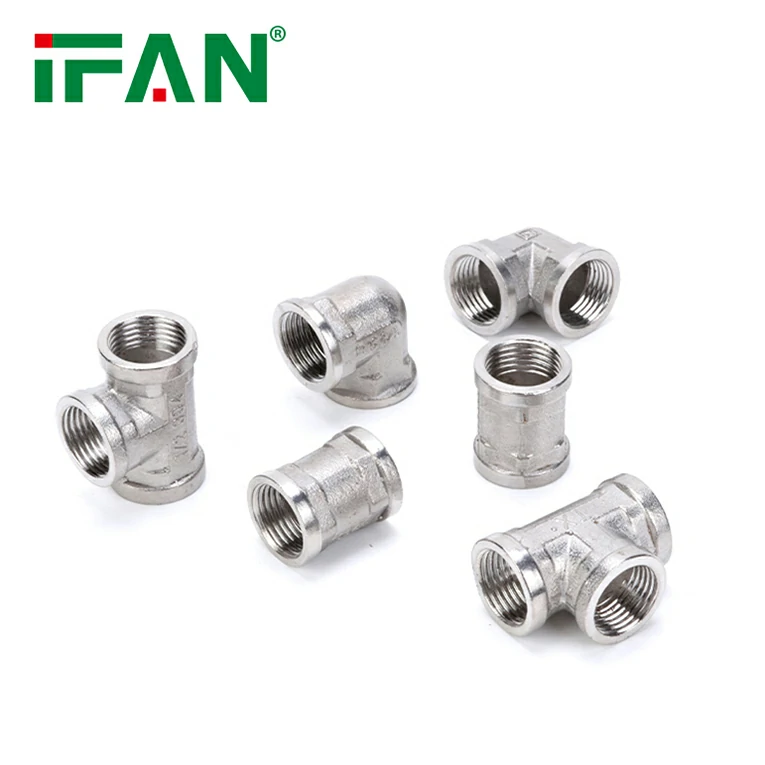

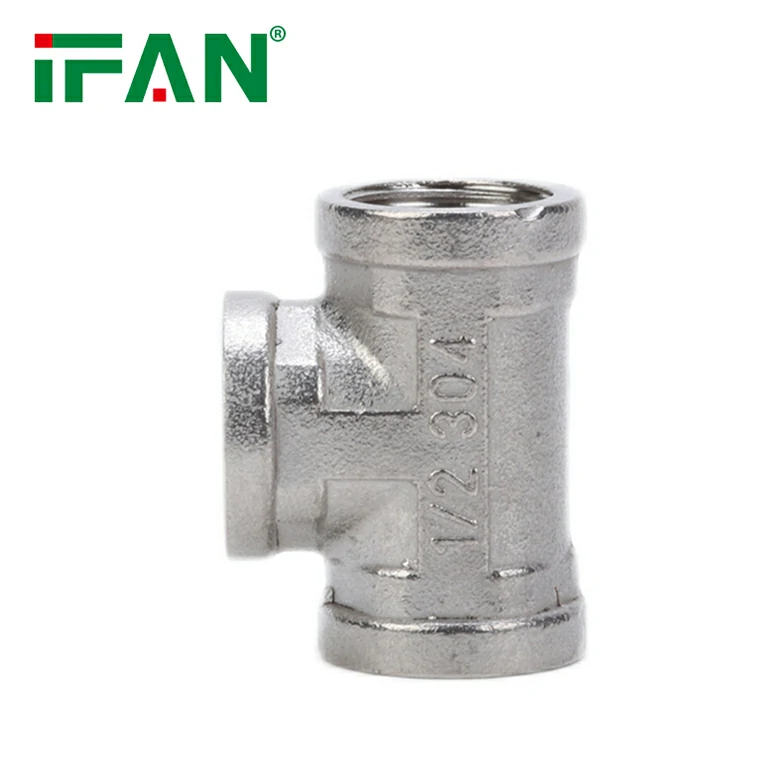
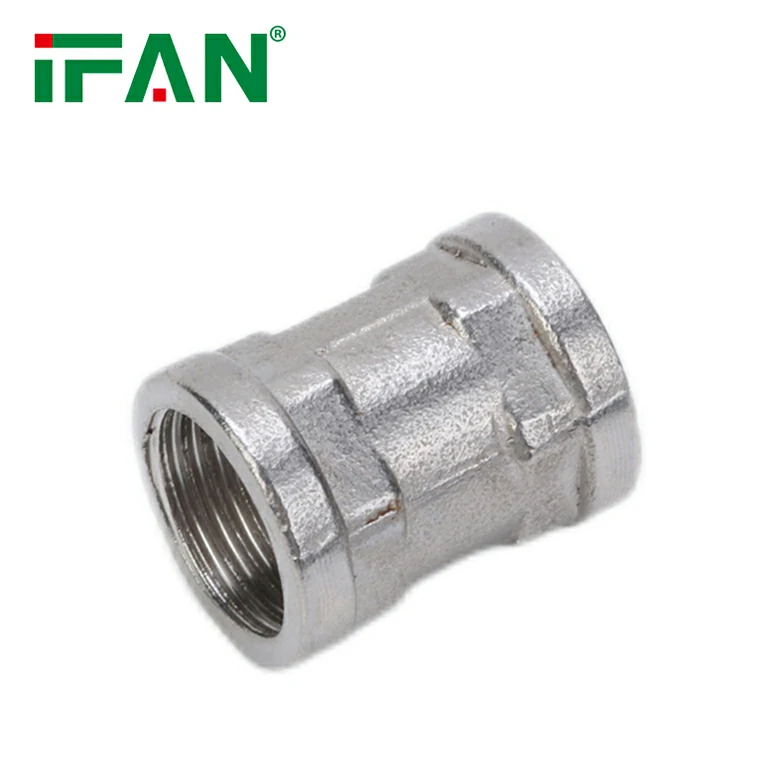
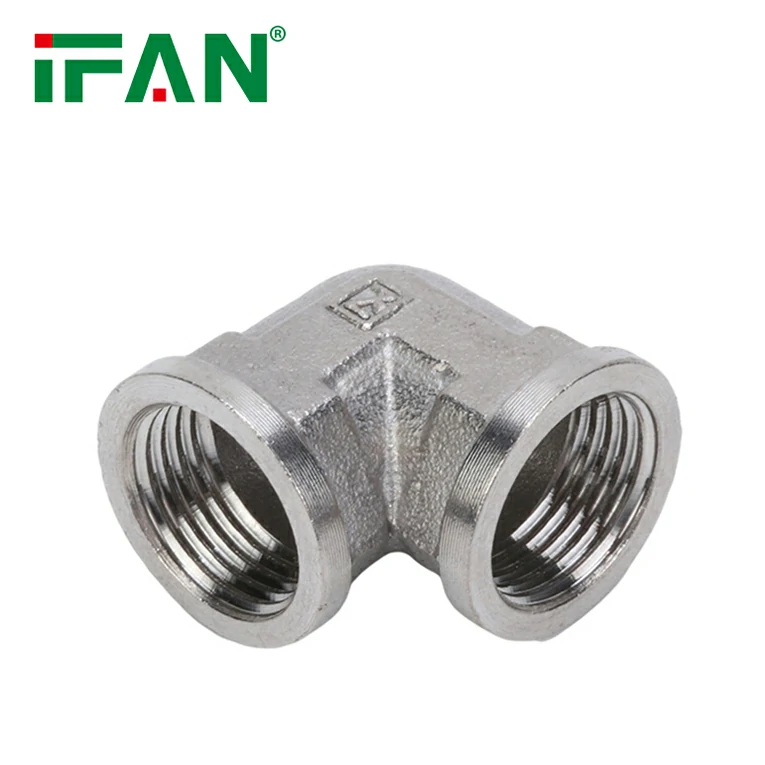
Stainless Steel Pipe Fittings Resist Corrosion
Type:Stainless steel pipe fittings
Brand:IFAN
Connecting method:Thread
Applications:Water Systems
Color:Sliver
- Fast Delievery
- Quality Assurance
- 24/7 Customer Service
Product Introduction


| Product Name | IFAN Brass Thread Fittings |
| Size | 1/2"-2" Or Customized |
| Color |
Yellow/White Or Customized |
| Package | IFAN standard packaging |
| Features | Durable |
| Sample | Sample Free |
| Contact | Click HERE to contact us now! |
Welcome to contact IFAN, we are online 24 hours a day to answer your questions!
In modern industrial systems, pipe fittings play a crucial role in ensuring the safe and efficient transportation of liquids and gases. Among the various materials available, stainless steel pipe fittings have become a preferred choice in many industries due to their exceptional resistance to corrosion. From chemical processing plants to food production facilities, these fittings provide long-term reliability and help maintain system performance under demanding conditions. Their ability to withstand harsh environments makes them an essential component in applications where durability and cleanliness are important.
The corrosion resistance of stainless steel pipe fittings comes primarily from the presence of chromium in the alloy. When exposed to oxygen, chromium reacts with the surrounding air to form a thin and invisible protective oxide layer on the metal surface. This layer acts as a barrier that prevents moisture, chemicals, and other corrosive substances from reaching the underlying metal. Even if the surface is scratched, the oxide layer can regenerate naturally, allowing the material to maintain its protective properties over time. This self-healing characteristic distinguishes stainless steel from many conventional metals.
Different grades of stainless steel offer varying levels of corrosion resistance to meet specific operational requirements. For example, 304 stainless steel is widely used in environments where exposure to moisture and mild chemicals is common. Meanwhile, 316 stainless steel contains molybdenum, which enhances its resistance to chlorides and aggressive chemical agents. As a result, 316 stainless steel fittings are frequently selected for marine environments, pharmaceutical manufacturing, and chemical processing facilities. Choosing the appropriate grade helps maximize service life and system reliability.
One of the major advantages of stainless steel pipe fittings is their ability to perform effectively in challenging environmental conditions. In coastal regions, equipment is constantly exposed to salt-laden air, which can rapidly deteriorate ordinary metals. Similarly, industrial plants often handle corrosive fluids, acids, and alkaline substances that can damage piping components. Stainless steel fittings provide a dependable solution by resisting these corrosive influences and maintaining their structural integrity. This reduces the likelihood of leaks, failures, and costly maintenance interruptions.
The food and beverage industry also relies heavily on stainless steel pipe fittings because of their corrosion resistance and hygienic properties. Smooth surfaces minimize the accumulation of bacteria, contaminants, and product residues. In addition, stainless steel does not easily react with food products, helping preserve product quality and safety. Frequent cleaning and sterilization procedures can expose equipment to hot water, steam, and cleaning chemicals, yet properly selected stainless steel fittings continue to perform reliably without significant degradation. This makes them ideal for sanitary processing systems.
Another important benefit is the reduction of maintenance costs over the lifespan of a piping system. Materials that are susceptible to corrosion often require frequent inspections, repairs, or replacements. Such maintenance activities can increase operational expenses and result in production downtime. Stainless steel pipe fittings, however, are designed to endure harsh service conditions for many years with minimal maintenance. Although the initial investment may be higher compared to some alternative materials, the long-term savings often outweigh the upfront cost. Many facility operators consider stainless steel a cost-effective solution because of its durability and reliability.
In addition to corrosion resistance, stainless steel pipe fittings offer excellent mechanical strength and temperature tolerance. They can maintain their performance under high pressure, elevated temperatures, and even cryogenic conditions. This versatility allows them to be used across a wide range of industries, including oil and gas, power generation, water treatment, and construction. The combination of strength and corrosion resistance ensures that piping systems remain safe and efficient even when operating under demanding circumstances.
Environmental sustainability is another factor contributing to the popularity of stainless steel pipe fittings. Stainless steel is highly recyclable, and many products contain a significant percentage of recycled material. The long service life of stainless steel components also reduces the need for frequent replacements, lowering resource consumption and waste generation. As industries increasingly focus on sustainable practices, stainless steel continues to align with environmental objectives while delivering reliable technical performance.


Hot Tags: stainless steel pipe fittings resist corrosion, China stainless steel pipe fittings resist corrosion manufacturers, suppliers, factory, Stainless Steel Threaded Pipe Fittings