


- Fast Delievery
- Quality Assurance
- 24/7 Customer Service
Product Introduction
Study on Microbial Adhesion Characteristics of Medical-Grade CPVC Pipe Fittings
Introduction: Importance of Microbial Safety in Medical Piping Systems
In healthcare environments, water and fluid systems must meet the highest standards of hygiene. Microbial contamination within piping networks can lead to severe health risks, especially in hospitals, laboratories, and pharmaceutical settings. Medical-grade CPVC (Chlorinated Polyvinyl Chloride) pipe fittings are widely used in such applications due to their chemical stability, thermal resistance, and durability. However, the risk of microbial adhesion-biofilm formation on internal surfaces-remains a concern. This study aims to explore the microbial adhesion characteristics of medical-grade CPVC pipe fittings, focusing on how their material properties influence microbial growth and retention under typical usage conditions.
What Are Medical-Grade CPVC Pipe Fittings?
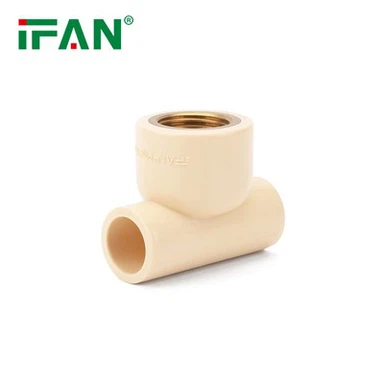
Medical-grade CPVC pipe fittings are manufactured using high-purity chlorinated PVC resin with strict quality controls. These fittings are designed for use in cleanroom environments, medical fluid transport, and sterile water systems. Unlike general-purpose CPVC, medical-grade variants exhibit improved surface smoothness, lower extractables, and enhanced resistance to disinfectants like chlorine dioxide and peracetic acid. Their thermal stability allows them to withstand repeated sterilization cycles, while their inert composition helps minimize microbial growth. However, no material is entirely immune to biofilm formation. Thus, it's essential to evaluate how these fittings perform when exposed to common healthcare pathogens.
Mechanism of Microbial Adhesion
Microbial adhesion begins when bacteria or fungi encounter a moist surface, such as the interior of a pipe. They attach via extracellular polymeric substances (EPS), forming a biofilm that protects them from disinfection and fluid flow. Surface roughness, hydrophobicity, and chemical composition all influence the likelihood and strength of microbial attachment. For CPVC fittings, lower surface energy and smoothness are thought to inhibit bacterial adhesion. However, imperfections during manufacturing, scratches from handling, or long-term exposure to fluids can alter these properties. Studying microbial adhesion to CPVC requires detailed analysis of these micro-surface interactions.

Experimental Methodology
To assess microbial adhesion, researchers exposed CPVC pipe fittings to simulated hospital water systems containing Escherichia coli, Pseudomonas aeruginosa, and Staphylococcus aureus. Fittings were submerged for 24 to 168 hours under controlled temperature and flow conditions. Surface samples were taken at intervals and analyzed using scanning electron microscopy (SEM) and bacterial culture methods. Contact angle measurements and roughness profiling were also performed to evaluate surface properties before and after microbial exposure. Results were compared to other materials like stainless steel and PEX to determine relative microbial adhesion rates and biofilm formation tendencies.
Results: Microbial Growth Patterns on CPVC
The results showed that microbial adhesion on medical-grade CPVC was significantly lower than on untreated plastics or metals. After 72 hours, biofilm presence was minimal on CPVC surfaces, particularly when disinfection protocols were applied regularly. SEM images revealed fewer bacterial colonies and less EPS buildup compared to stainless steel. Surface roughness remained largely unchanged over time, indicating that CPVC retains its low-adhesion profile even after prolonged exposure. However, small colonies of P. aeruginosa were observed in micro-scratches and junction points, suggesting that even smooth materials can harbor bacteria in tiny surface defects.
Impact of Disinfection and Temperature
Temperature and disinfection played key roles in microbial suppression. At 60°C, adhesion rates dropped for all bacterial strains on CPVC surfaces. Disinfection with sodium hypochlorite and hydrogen peroxide also significantly reduced biofilm formation. CPVC's chemical resistance allowed it to maintain structural integrity despite repeated chemical exposure. In contrast, some alternative plastics showed surface degradation or color changes under the same conditions. Medical-grade CPVC pipe fittings demonstrated excellent compatibility with hot water and standard hospital disinfectants, reinforcing their suitability for hygienic applications. Nonetheless, the study recommended routine cleaning to prevent long-term microbial buildup.

Comparison with Other Piping Materials
When compared to stainless steel, PEX, and polypropylene, medical-grade CPVC performed better in resisting microbial colonization. Stainless steel showed higher initial resistance but became susceptible to biofilm formation in weld seams and rough spots. PEX showed greater microbial attachment due to its higher surface roughness and lower disinfection tolerance. Polypropylene degraded slightly under thermal stress, increasing its roughness and encouraging biofilm development. CPVC's consistent surface quality, chemical inertness, and high thermal tolerance made it the most balanced choice in environments where microbial control is critical. However, no material performed perfectly, emphasizing the importance of system-wide hygiene protocols.
Conclusion: Future Outlook and Best Practices
This study concludes that medical-grade CPVC pipe fittings offer superior resistance to microbial adhesion compared to many alternative materials. Their smooth surface, disinfectant tolerance, and thermal stability make them suitable for critical healthcare applications. Nevertheless, microbial adhesion cannot be entirely eliminated. Best practices include regular disinfection, system flushing, and installation protocols that minimize surface defects. Future developments may focus on CPVC coatings with antimicrobial properties or further refining the polymer surface to reduce microbial contact points. As healthcare environments become more demanding, such enhancements will be vital to ensure patient safety and compliance with infection control standards.
Click here to watch more videos
Click here view more our factory information!
Hot Tags: ifan wholesale cpvc pipe fittings, China ifan wholesale cpvc pipe fittings manufacturers, suppliers, factory, CPVC Brass Elbow, CPVC Threaded Tee, CPVC Valves And Fittings, Cpvc Fitting, CPVC Water Pipe Fitting, CPVC Pipe Coupling