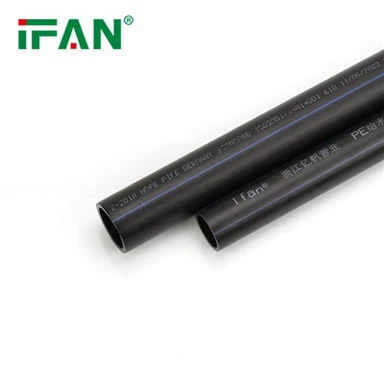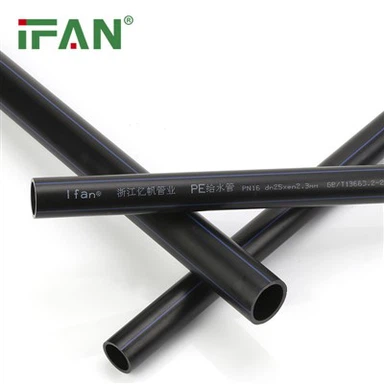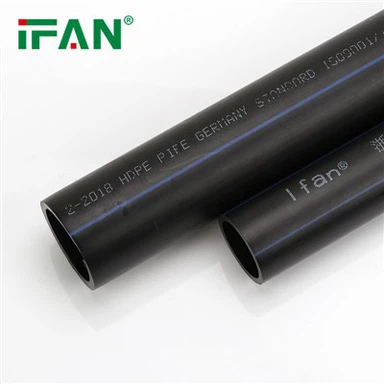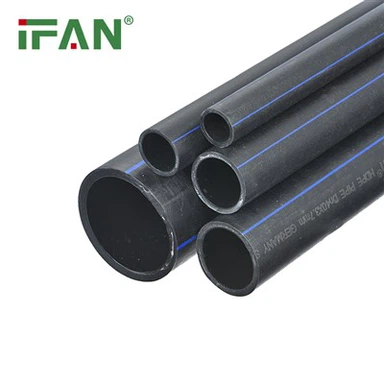


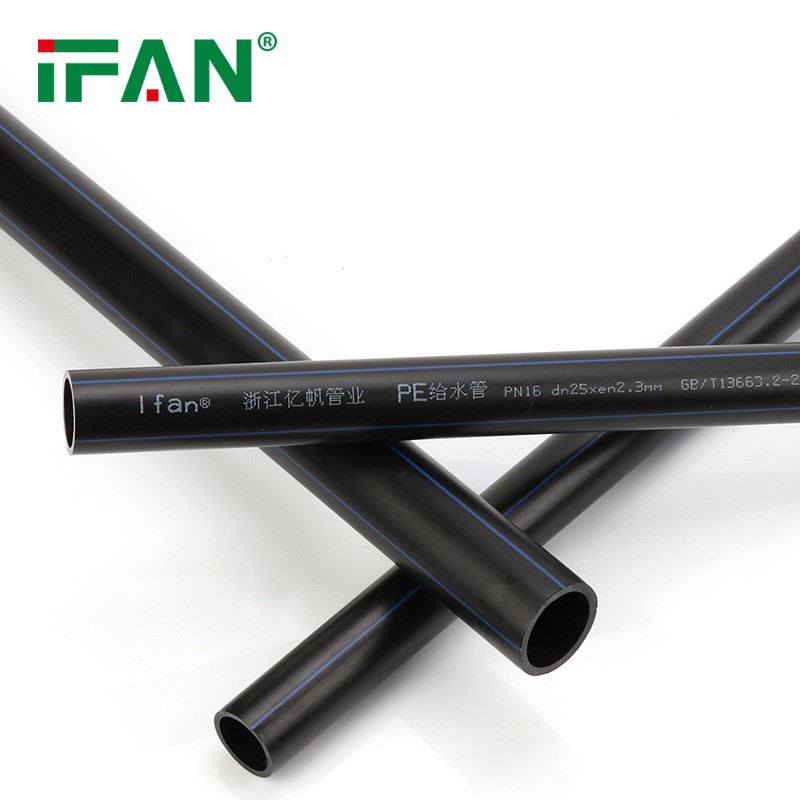
Agricultural Water Supply HDPE Pipe
Agriculture requires reliable water supply systems to support crop growth and livestock needs.
- Fast Delievery
- Quality Assurance
- 24/7 Customer Service
Product Introduction
Introduction
Agriculture requires reliable water supply systems to support crop growth and livestock needs. HDPE pipe is widely used in farming for water transport. Fields, orchards, and greenhouses depend on efficient irrigation networks. Water must be delivered from sources like wells, rivers, or storage tanks. HDPE pipes are laid across fields, buried underground, or mounted on supports. Their smooth surface ensures steady flow across long distances. Farmers use HDPE for surface, drip, and sprinkler irrigation. It supports both permanent and seasonal setups. The system must operate during dry periods and adapt to changing water demands. HDPE plays a central role in supplying water consistently to agricultural land.
Field Distribution Networks
From the main supply, water moves into smaller HDPE branch lines that serve different parts of the farm. These field networks distribute water to planting beds, orchards, and pasturelands. Pipes are laid according to crop arrangement and field slope. Farmers use connectors, tees, and reducers to customize layouts. Control valves allow water to be directed where it's needed most. During the growing season, these lines operate daily or weekly depending on crop needs. Drip lines or sprinklers are connected directly to these HDPE pipes. The system is designed to reduce manual labor and support automatic water delivery.
Drip Irrigation Systems
Drip irrigation is used to deliver water directly to plant roots. HDPE pipes form the backbone of these systems in agricultural fields. The pipe network includes mainlines, sub-mains, and drip laterals. Emitters are inserted at regular intervals to release small volumes of water. This method minimizes evaporation and runoff. HDPE supplies constant pressure and supports long drip line runs. Drip systems are widely used in vineyards, orchards, and row crops. Water can be mixed with fertilizers in the pipeline to improve efficiency. Filters are installed in the HDPE lines to prevent clogging. Drip irrigation saves water while maintaining soil moisture around plants.
Greenhouse Watering Systems
Inside greenhouses, controlled water delivery is essential for temperature and humidity control. HDPE pipes form indoor water supply systems for greenhouses. Pipes are mounted along the walls, ceiling, or embedded in benches. Misting nozzles, drip emitters, or micro-sprinklers are connected directly to the HDPE system. Automated timers and sensors regulate water based on plant requirements. Pipes can carry warm or cool water as needed. In multi-level greenhouses, vertical pipes supply water to upper trays. HDPE provides a clean, structured way to deliver water in confined spaces. Greenhouse crops include flowers, herbs, and seedlings that need gentle and precise watering.
Livestock and Poultry Farms
Farms that raise animals need clean and reliable water systems. HDPE pipes are used to supply drinking water to livestock and poultry. Pipes run from wells or tanks to barns, sheds, and open grazing areas. Drinking nozzles and troughs are connected to the HDPE supply lines. Pipes are often buried or insulated to prevent freezing in cold weather. Flow is regulated using valves, and pressure is controlled for consistent delivery. HDPE is also used in cooling systems in poultry houses. In dairy farms, pipes supply water to cleaning and sanitation stations. Water access is critical for maintaining animal health and productivity.
Hot Tags: agricultural water supply hdpe pipe, China agricultural water supply hdpe pipe manufacturers, suppliers, factory, Black HDPE Pipe, Black HDPE Water Pipe, HDPE Irrigation Pipe, HDPE Pipe For Water Supply, Water Irrigation Pipe