

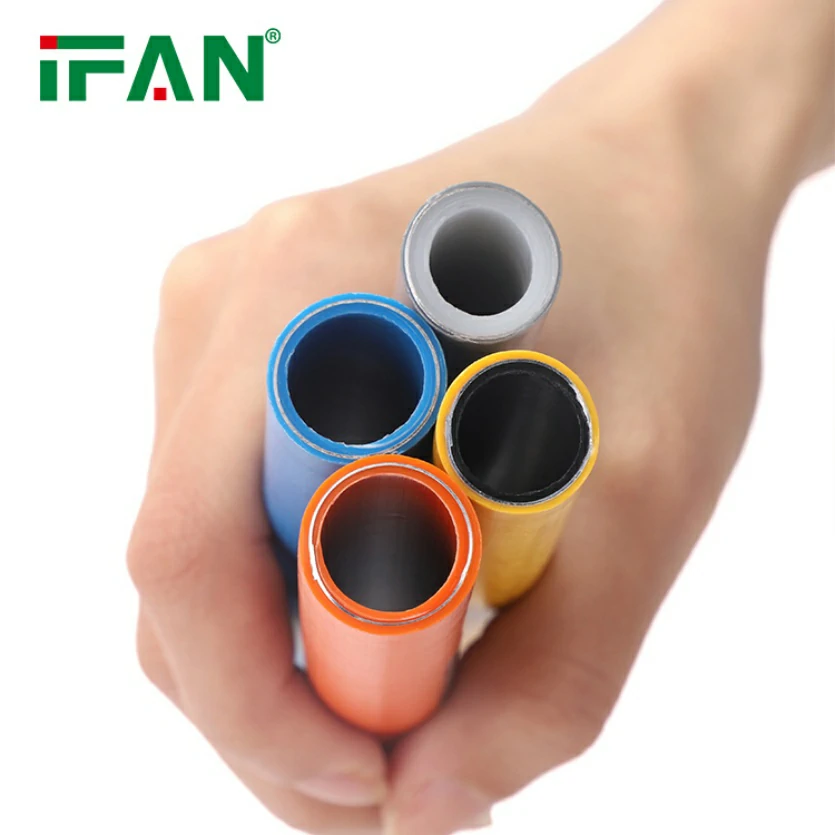

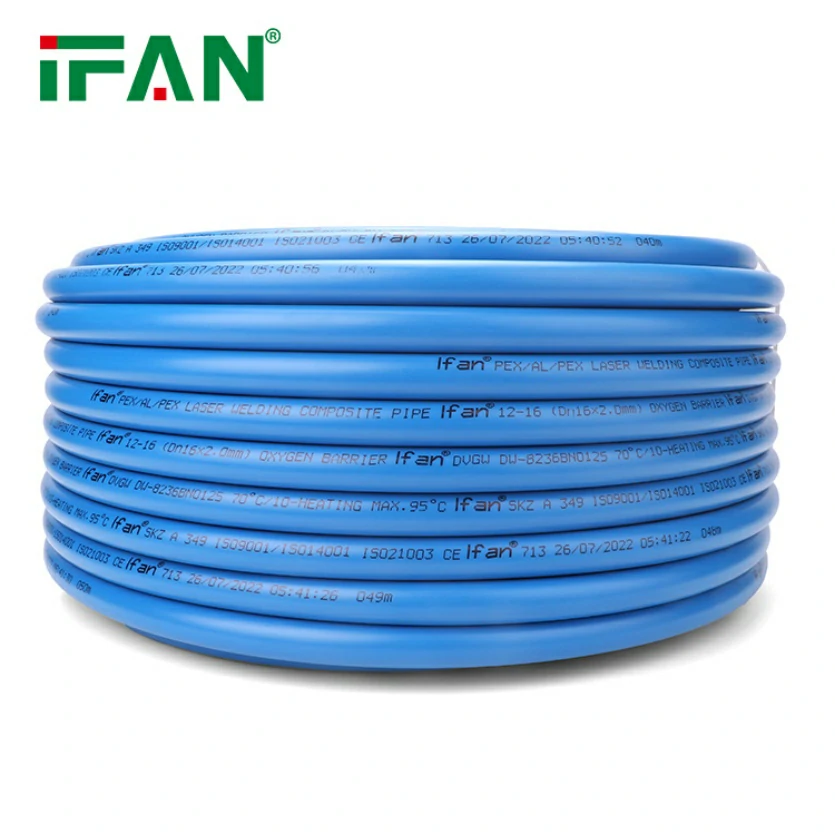
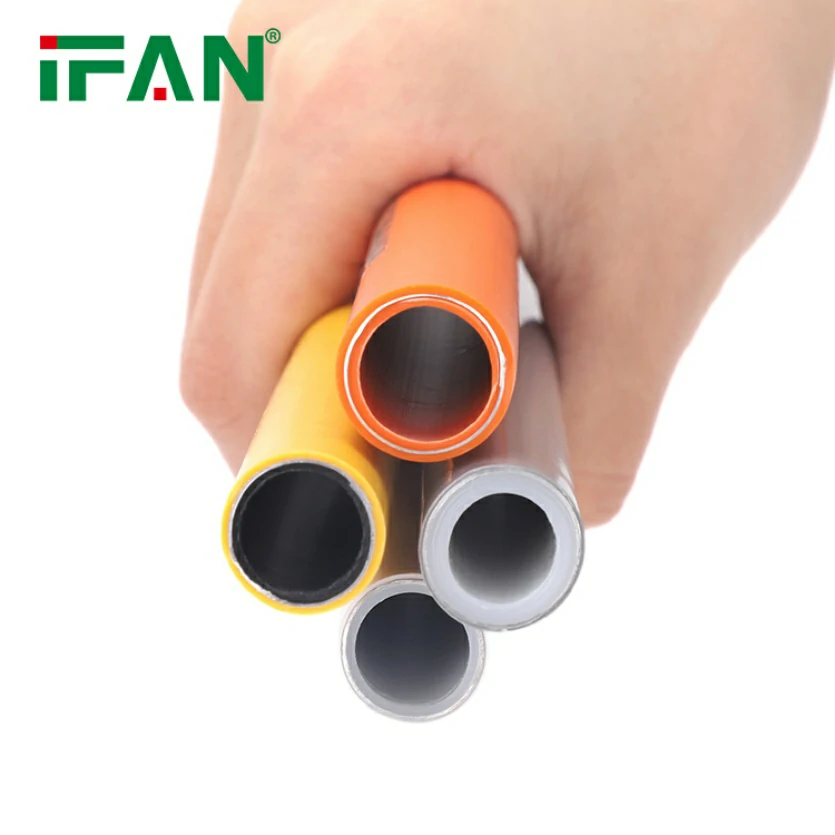
Pex Pipe Supports Underfloor Heating Applications
Type:PEX Pipe
Length:100m-200m
Brand:IFAN/OEM
Applications:Gas Systems
Color:White,Blue,Purple Or Customized
Sample:Free
- Fast Delievery
- Quality Assurance
- 24/7 Customer Service
Product Introduction

| Product Name | High Quality Pex Gas Pipe |
| Size | 16-32mm Or Customized |
| Color |
Yellow Or Customized |
| Package | IFAN standard packaging |
| Connection | Compression/Press/Sliding Fittings |
| Sample | Sample Free |
| Contact | Click HERE to contact us now! |
Welcome to contact IFAN, we are online 24 hours a day to answer your questions!

PEX as a Heating Circuit Material
PEX pipe is widely used in hydronic underfloor heating systems, where heated water circulates through tubing installed beneath a finished floor. In this application, the pipe becomes part of a planned heating circuit rather than serving only as a conventional water-supply line.
The tubing is normally arranged across a floor area in carefully calculated loops. Warm water enters the circuit, travels through the embedded pipe, and transfers heat through the surrounding floor structure before returning to the heating system. The pipe therefore needs to accommodate both the physical layout of the floor and the operating conditions of the heating circuit.
PEX is suitable for this type of application when the selected product is specifically rated for underfloor heating and the temperature and pressure remain within its stated limits. The pipe specification should always be checked before the system is designed or installed.
Flexible Layout for Heating Loops
Underfloor heating requires tubing to cover a relatively large surface area. PEX can be curved into planned loops, allowing the installer to arrange the circuit according to the dimensions and shape of each room.
Common layouts include serpentine and spiral arrangements. A serpentine pattern moves progressively from one side of the room toward the other, while a spiral arrangement can bring supply and return sections closer together across the floor. The appropriate pattern depends on the system design, room geometry, heat demand, and spacing requirements.
The tubing should never be bent below the manufacturer's specified minimum radius. Maintaining the correct radius prevents excessive stress and allows the heating loop to remain in its intended position during installation.
Designing the Circuit Before Installation
A successful underfloor heating installation begins with planning. Before the PEX is placed, the designer should establish the heating zones, circuit lengths, tube spacing, manifold location, floor construction, and required operating temperature.
Different rooms may have different heat requirements. A bathroom, living room, bedroom, or perimeter area may therefore require a different tubing arrangement. Furniture placement and fixed structures should also be considered because they can influence where heating loops should be located.
The circuit should be planned so that the tubing follows a logical route from the manifold through the designated floor area and back again. Marking the layout before installation helps prevent accidental crossings and makes the installation process easier to control.
Connection to the Manifold
The manifold serves as the central point where individual underfloor heating circuits connect to the heating system. Each PEX loop generally has a supply connection and a return connection at the manifold.
This arrangement allows individual circuits to be identified and managed separately. The manifold should be installed in an accessible location, while the tubing routes should be planned to reach it without creating excessively tight bends.
Connections must use fittings and components approved for the specific PEX system. The installer should follow the manufacturer's instructions for cutting, connecting, securing, and labeling each circuit. Clear identification is especially useful when multiple loops serve different rooms or floor zones.
Controlling Temperature and Pressure
Underfloor heating normally operates differently from conventional high-temperature radiator systems. Water temperature is selected according to the floor construction, heating design, and required surface temperature. The PEX pipe must therefore be rated for the expected operating temperature and pressure.
A mixing or temperature-control arrangement may be incorporated into the heating system to regulate the water entering the floor circuits. The exact configuration depends on the heat source and system design.
Temperature should not be increased simply because the pipe can tolerate a particular maximum rating. The floor surface and building requirements also determine the appropriate operating conditions. The PEX specification is one part of a larger thermal design.
Securing PEX Beneath the Floor
Once the circuit layout has been established, PEX needs to be secured in its planned position. Depending on the construction method, tubing may be attached to reinforcing mesh, insulation panels, rails, clips, or other approved support systems.
The purpose of securing the tubing is to maintain the intended spacing and prevent unwanted movement while the floor structure is completed. The pipe should remain free from sharp contact points that could damage its surface.
The spacing between adjacent loops is determined by the heating design. Closer spacing can be used in areas requiring greater heat output, while wider spacing may be appropriate in other zones. These decisions should come from the system design rather than being determined randomly during installation.
Managing Thermal Movement
Heating circuits experience repeated temperature changes as the system starts, operates, and cools. PEX can expand and contract in response to these changes, so the installation needs to accommodate normal thermal movement.
The pipe should not be installed under excessive tension. At the manifold and other fixed connection points, the tubing should enter in a controlled manner without sharp bending immediately beside the fitting.
Floor construction also matters. Expansion joints and structural movement points must be considered when routing heating loops. Where a circuit needs to cross an appropriate joint, the system should use the protective and installation methods specified for that application.
Pressure Testing Before Floor Covering
Pressure testing is an important stage before the floor structure permanently covers the PEX tubing. Once the heating circuits have been installed and connected, they should be tested according to the system manufacturer's instructions and applicable project requirements.
Testing allows installers to inspect the circuits while the tubing and connections remain accessible. If a connection does not maintain the required test condition, the problem can be investigated before screed, concrete, tile, or another floor finish is installed.
The tubing should also be visually checked for sharp bends, accidental damage, incorrect spacing, and unplanned crossings. This inspection helps confirm that the physical installation corresponds with the heating design.
PEX in Complete Underfloor Heating Systems
PEX pipe supports underfloor heating applications by combining controlled flexibility with suitability for hot-water circulation when the specific product is correctly rated. Its ability to form planned loops allows heating circuits to cover different floor areas while connecting back to a central manifold.
However, the pipe is only one part of the system. Circuit length, tube spacing, manifold position, water temperature, pressure, floor construction, securing method, and expansion arrangements all need to be considered together.





Hot Tags: pex pipe supports underfloor heating applications, China pex pipe supports underfloor heating applications manufacturers, suppliers, factory, Pex AL Pex Gas, Pex Al Pex Tubing, Pex Aluminum Pex, PEX Gas Pipe, Pex Gas Tubing, Yellow Pex Gas Line


