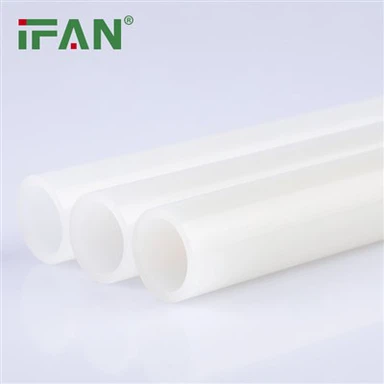


Save On Heating With Underfloor Pipes
PType:PEX Pipe
Length:100m-200m
Brand:IFAN/OEM
Applications:Water Systems
Color:Grey,Purple Or Customized
Sample:Free
- Fast Delievery
- Quality Assurance
- 24/7 Customer Service
Product Introduction
Underfloor Heating Pipes Reduce Heating Costs
Introduction
Heating expenses remain a major concern for many homeowners today. Rising energy prices increase household costs during colder seasons. Traditional heating systems often waste energy through uneven heat distribution. Many homes lose warmth quickly and require constant temperature adjustments.

| Product Name | IFAN PEX Pipe |
| Size | 16-32mm Or Customized |
| Color |
White,Grey,Purple Or Customized |
| Package | IFAN standard packaging |
| Features | Oxygen Barrier,Flexible,Inhibits Bacteria,Extends Lifespan |
| Sample | Sample Free |
| Contact | Click HERE to contact us now! |
Welcome to contact IFAN, we are online 24 hours a day to answer your questions!

Lower Operating Temperatures Save Energy
Traditional radiators usually require high water temperatures for effective heating. Boilers often heat water to very high levels during winter months. This process consumes large amounts of energy every day.
Underfloor heating pipes operate effectively at much lower temperatures. Warm water flows through the pipes beneath the flooring surface. The system spreads heat evenly across larger areas. Lower water temperatures still provide comfortable indoor warmth.
Reduced operating temperatures decrease overall energy consumption significantly. Boilers and heat pumps work more efficiently with lower heat demands. This efficiency reduces fuel use and electricity costs over time.
Lower temperature operation also reduces system strain. Heating equipment experiences less pressure during daily use. Efficient operation supports long-term energy savings for homeowners.
Even Heat Distribution Reduces Waste
Uneven heating creates energy waste inside many homes. Traditional radiators heat nearby areas much faster than distant corners. People often increase thermostat settings to compensate for cold spots.
Underfloor heating pipes distribute warmth evenly across entire rooms. Heat rises gently from the floor and spreads naturally upward. Every section of the room maintains a balanced temperature.
Even heat distribution reduces the need for excessive heating adjustments. Homeowners can maintain comfortable conditions at lower thermostat settings. Small temperature reductions create noticeable energy savings over time.
Balanced heating also prevents overheating in certain areas. Rooms remain comfortable without consuming unnecessary energy. Reduced heat waste lowers overall heating expenses throughout colder seasons.
Improved Heat Retention Lowers Costs
Efficient heat retention plays an important role in reducing heating expenses. Traditional systems often create quick temperature fluctuations inside homes. Rooms cool rapidly after radiators stop operating.
Underfloor heating pipes provide gradual and stable warmth throughout the day. Flooring materials absorb and store heat effectively. Warm surfaces continue releasing heat even after the system slows down.
This heat retention reduces frequent heating cycles. Boilers and pumps operate less often during colder periods. Lower operating frequency decreases overall energy usage.
Stable indoor temperatures also reduce sudden energy demand increases. Homes remain warm for longer periods without constant reheating. Improved thermal efficiency supports long-term cost reduction for homeowners.
Reduced Thermostat Settings Lower Bills
Many people assume higher thermostat settings improve comfort immediately. However, higher temperatures increase energy consumption significantly. Traditional systems often encourage frequent thermostat adjustments.
Underfloor heating pipes create comfort at lower room temperatures. Heat spreads evenly from the floor upward through living spaces. People feel comfortable because warmth reaches the body directly.
Homeowners often reduce thermostat settings without losing comfort. Even small reductions can lower monthly heating expenses noticeably. Lower temperature settings decrease overall fuel and electricity consumption.
Reduced thermostat use also improves heating efficiency. Systems operate more steadily instead of cycling aggressively. Consistent performance supports reliable energy savings over time.
Compatibility with Energy-Efficient Systems
Modern homes increasingly use energy-efficient heating technologies. Heat pumps have become popular because of lower operating costs. However, some heating systems limit heat pump efficiency.
Underfloor heating pipes work extremely well with heat pump systems. Both technologies operate effectively at lower water temperatures. This compatibility improves overall heating efficiency throughout the home.
Efficient cooperation between systems reduces energy demand significantly. Heat pumps consume less electricity while maintaining indoor warmth. Homeowners benefit from lower utility expenses during winter seasons.
This compatibility also supports renewable energy solutions. Solar-assisted heating systems perform efficiently with floor heating networks. Energy-efficient integration creates greater long-term financial savings.
Less Heat Loss Improves Efficiency
Heat loss increases heating expenses in poorly optimized systems. Traditional radiators often concentrate heat near walls or windows. Some warmth escapes before spreading through the room.
Underfloor heating pipes reduce unnecessary heat concentration in limited areas. Heat spreads evenly across the entire floor surface. This balanced distribution improves overall thermal efficiency.
Reduced heat loss decreases energy waste inside the home. More generated warmth stays within living spaces for longer periods. Efficient heat use lowers fuel and electricity requirements.
Improved efficiency also reduces pressure on heating equipment. Boilers and pumps require less frequent operation during colder weather. Lower workload contributes to lower operating costs over time.
Zoning Features Reduce Unnecessary Heating
Many modern heating systems support room-by-room temperature control. Traditional systems sometimes heat unused rooms unnecessarily. This practice increases energy waste and monthly expenses.
Underfloor heating pipes often include advanced zoning capabilities. Homeowners can control temperatures in different areas independently. Unused rooms require less heating during certain periods.
Targeted heating reduces unnecessary energy consumption throughout the home. Families only heat spaces currently in use. This efficient approach lowers overall heating costs significantly.
Zoning also improves scheduling flexibility for homeowners. Heating patterns can match daily routines more effectively. Smart temperature management supports greater long-term savings.
Long-Term Efficiency Supports Financial Savings
Heating systems should provide reliable savings over many years. Some traditional systems lose efficiency as equipment ages. Energy waste often increases because of uneven heating performance.
Underfloor heating pipes maintain stable efficiency for long periods. The system operates beneath protected flooring surfaces safely. Reduced mechanical stress supports reliable long-term performance.
Consistent efficiency helps homeowners control annual heating expenses. Lower energy demand creates noticeable savings across many winters. Financial benefits continue accumulating over the system lifespan.
Efficient operation also reduces maintenance-related expenses indirectly. Stable heating performance lowers pressure on boilers and pumps. Long-term reliability supports household budget planning effectively.




Hot Tags: save on heating with underfloor pipes, China save on heating with underfloor pipes manufacturers, suppliers, factory