

- Fast Delievery
- Quality Assurance
- 24/7 Customer Service
Product Introduction
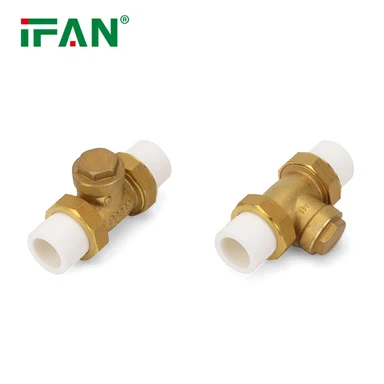
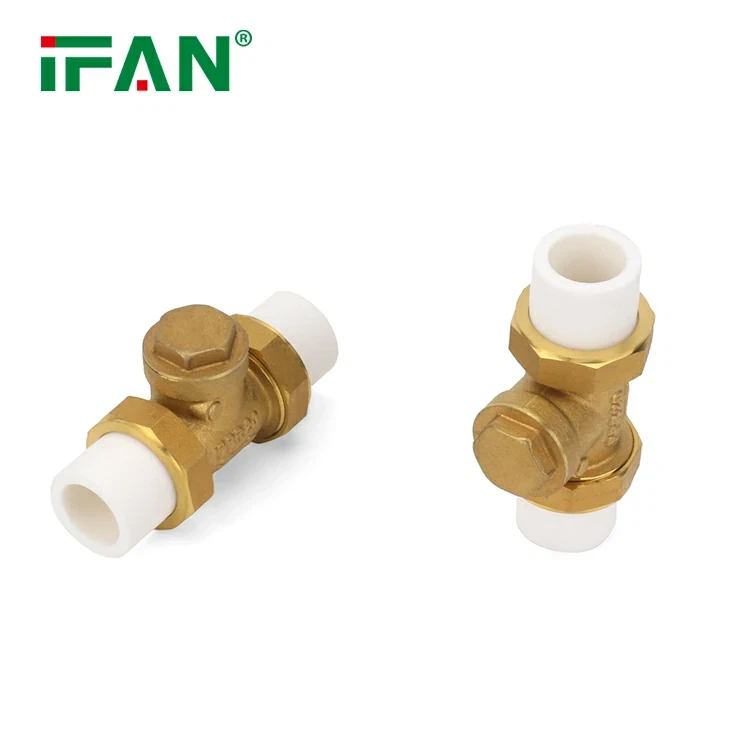
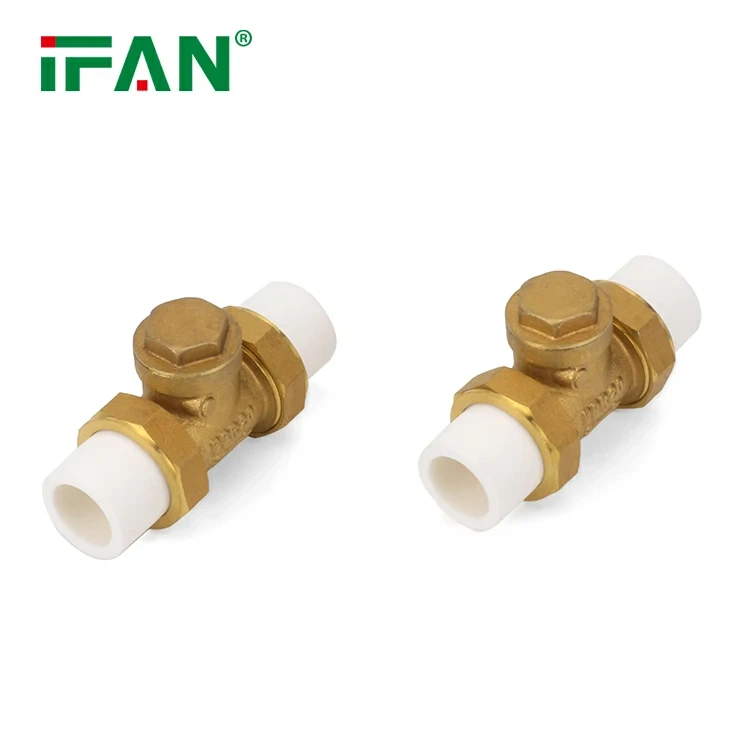
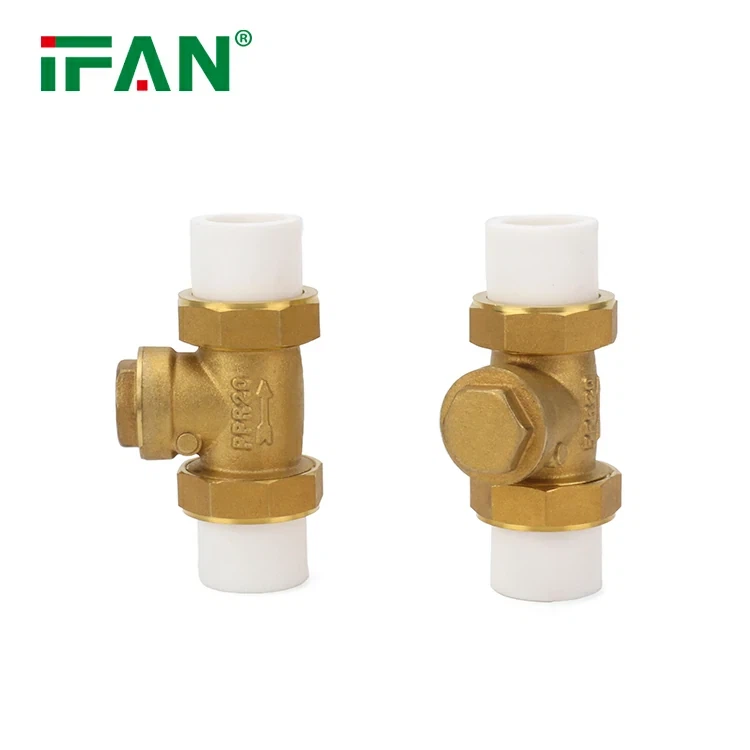
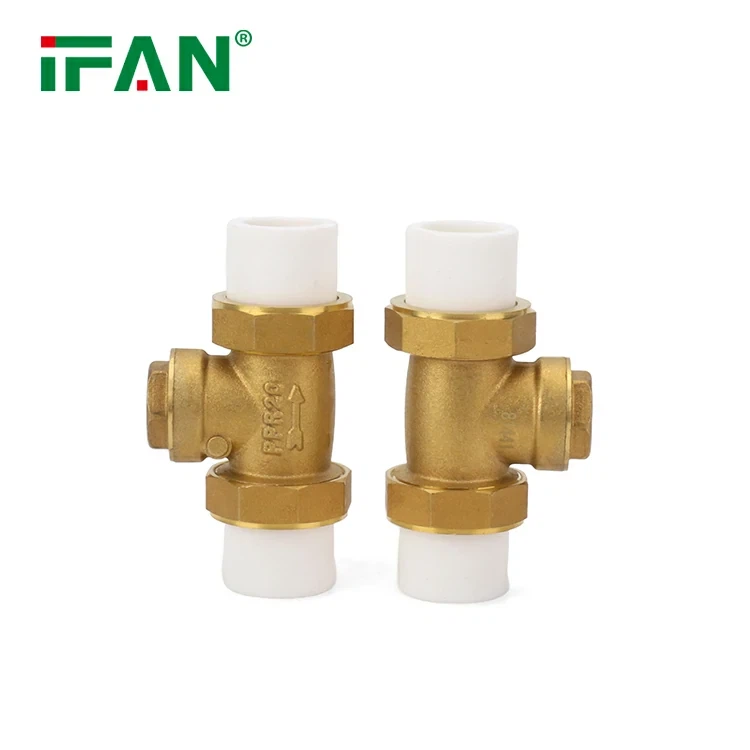
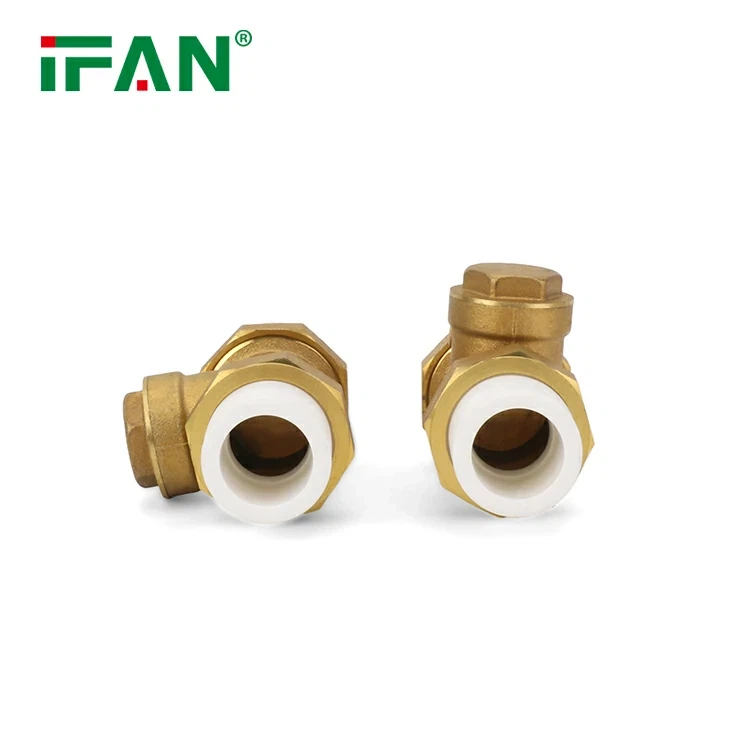
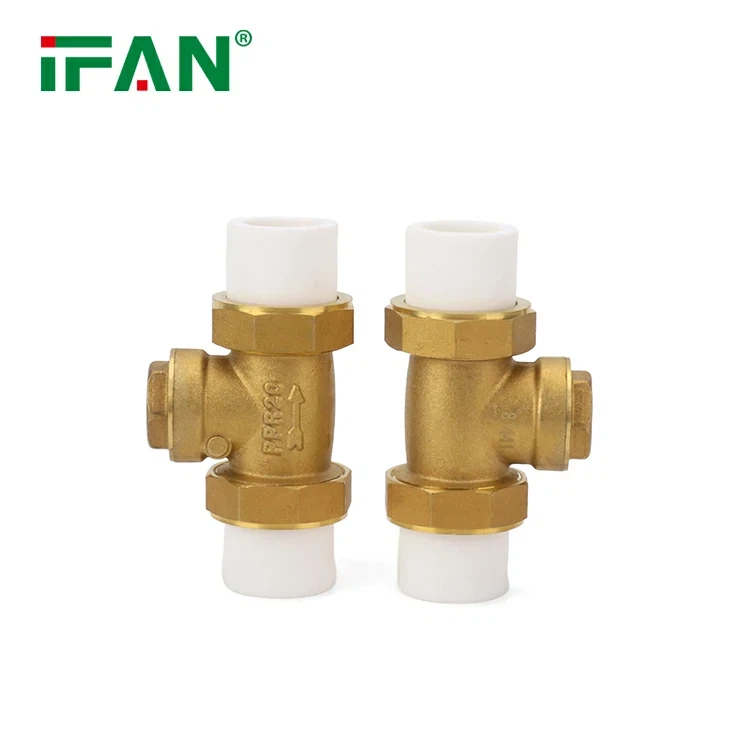
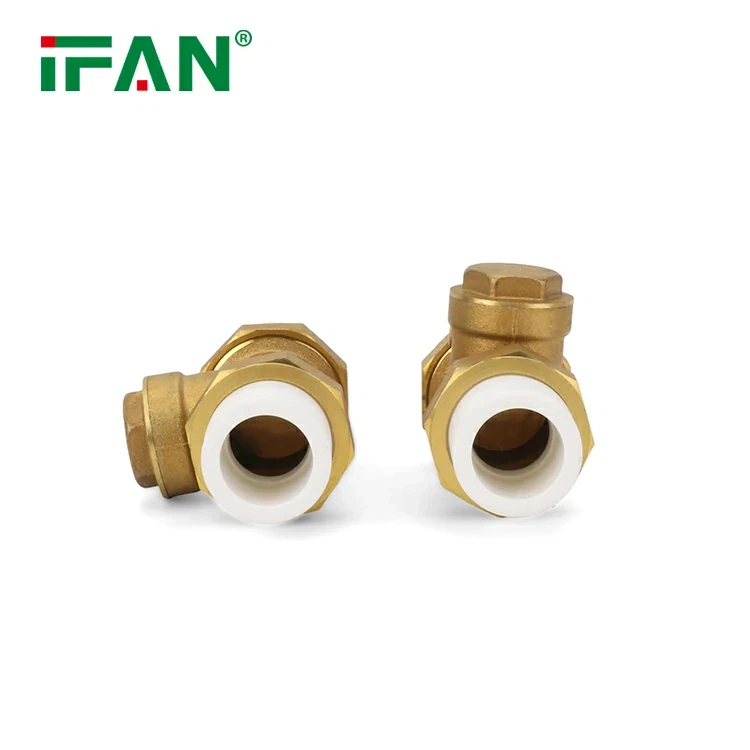
Research on Anti-freezing Measures for PPR Horizontal Check Valves
Introduction to Freezing Risks in PPR Check Valves
PPR horizontal check valves face significant freezing risks in cold climates. Water retention in valve chambers can expand during freezing temperatures. This expansion often leads to cracking of polypropylene components. Frozen valves cause complete system failures in plumbing networks. Understanding these risks is essential for proper winter protection.
Material Properties and Temperature Limitations
Standard PPR materials typically withstand temperatures down to -5°C. Prolonged exposure below freezing weakens molecular bonds. The valve's swing mechanism becomes particularly vulnerable to ice damage. Manufacturers now offer cold-resistant PPR compounds for extreme conditions. These specialized materials maintain flexibility at lower temperatures.
Passive Insulation Techniques
Foam pipe insulation provides basic freeze protection for exposed valves. Insulating jackets should cover the entire valve body completely. Fiberglass wraps offer superior insulation for critical applications. Underground installations require proper burial depth below frost lines. Insulation thickness should increase with decreasing ambient temperatures.
Active Heating Solutions
Electric heat tracing cables effectively prevent valve freezing. Self-regulating cables adjust output based on surrounding temperatures. Thermal blankets with adjustable thermostats provide reliable protection. Solar-powered heating systems suit remote installations without electricity. All heating elements require proper waterproof ratings for outdoor use.
Drainage and Water Removal Systems
Automatic drain valves can empty check valve chambers when not in use. Gravity drainage designs work well in sloped piping systems. Compressed air blowout methods completely remove residual water. Vacuum-assisted drainage ensures complete water evacuation. These systems require careful installation to maintain proper valve function.
Valve Design Modifications for Cold Climates
Enlarged valve chambers reduce ice damage potential. Stainless steel internal components resist freeze-related stress better. Specialized rubber compounds maintain elasticity in freezing conditions. Some manufacturers incorporate freeze expansion relief channels. These design changes significantly improve cold weather performance.
Monitoring and Maintenance Protocols
Regular winter inspections should check for insulation damage. Thermal imaging helps identify potential freeze points. Valve exercise programs prevent mechanism freezing during inactivity. Pressure monitoring can detect early signs of ice formation. Maintenance records should track all winter-related valve incidents.
Case Studies and Performance Data
Northern European installations show 90% effectiveness with combined insulation and heating. Canadian oilfield applications demonstrate 5-year survival rates with modified valves. Mountain resort water systems report 75% fewer freeze incidents using active heating. Industrial plants in Russia achieved success with vacuum drainage systems. These real-world examples validate various protection methods.
Cost-Benefit Analysis of Protection Methods
Basic insulation provides the most economical solution for mild climates. Active heating systems offer better protection but higher initial costs. Modified valve designs show excellent long-term value in extreme conditions. System criticality should determine appropriate investment levels. Most facilities implement layered protection strategies.
Future Development Trends
Smart valves with embedded temperature sensors are emerging. Phase-change materials may provide self-regulating insulation. Nanotechnology coatings could prevent ice adhesion to surfaces. Renewable energy-powered systems will expand cold region applications. These innovations promise improved freeze protection solutions.
Conclusion
Effective anti-freezing measures for PPR horizontal check valves require comprehensive approaches. Material selection, insulation, heating, and design modifications all contribute to reliability. Proper installation and maintenance ensure continued winter performance. Emerging technologies will further enhance cold weather capabilities. System designers must evaluate all options for their specific climate conditions.
Click here to watch more videos
Click here view more our factory information!
Hot Tags: ifan horizontal ppr check valve, China ifan horizontal ppr check valve manufacturers, suppliers, factory, White PPR Pipe Fitting, Ppr Elbow 25mm, Ppr Elbow 45 Degree, PPR Elbow 90deg