


PVC Pipe Delivers Cost Effective Solutions
1.CPVC Tubing is equally easy to install in confined or restricted areas.
2.Compared to other plastics, CPVC provides superior tensile strength and requires fewer hangers and brackets.
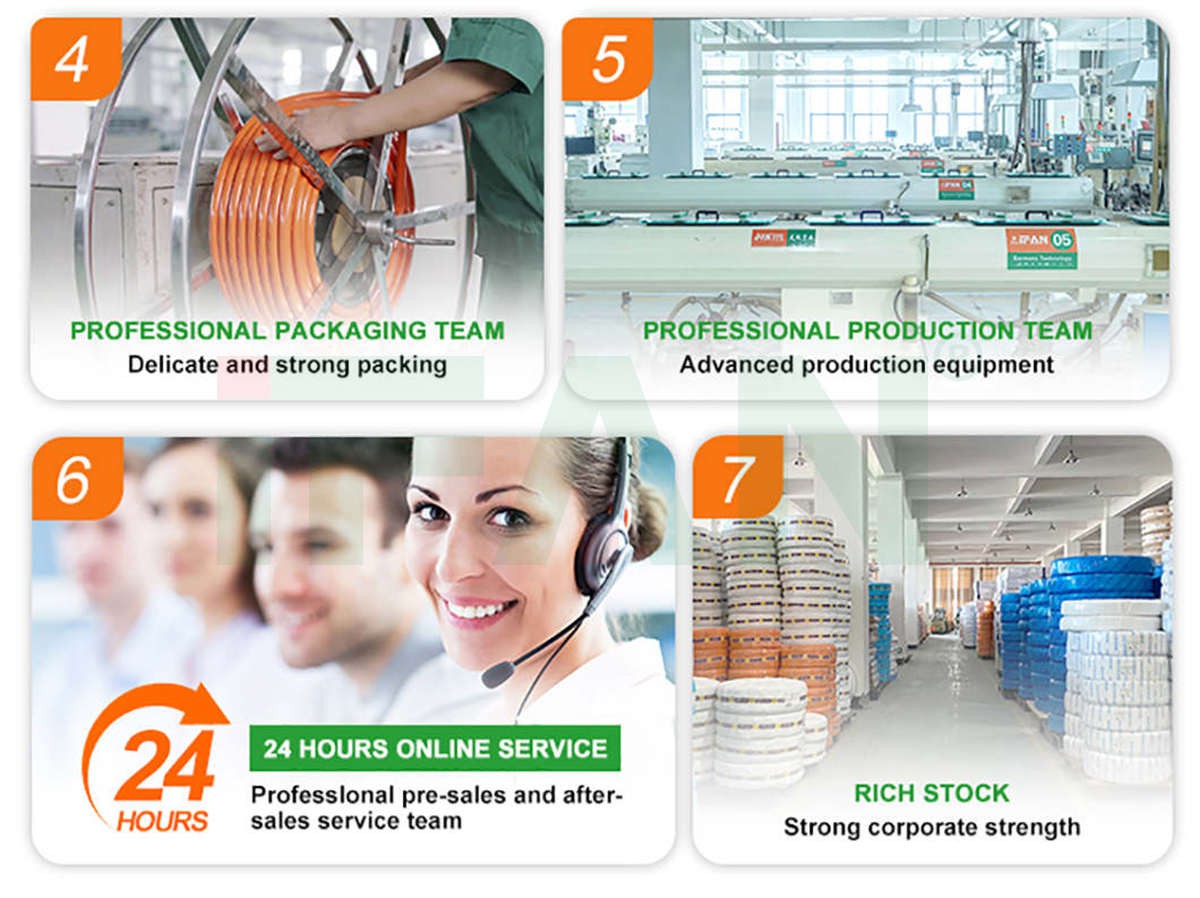
- Fast Delievery
- Quality Assurance
- 24/7 Customer Service
Product Introduction
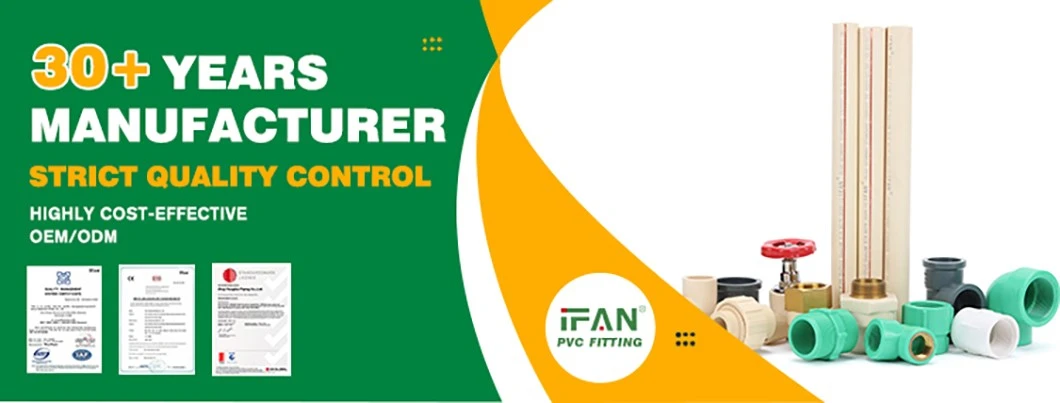
| Product Name | IFAN CPVC Pipe |
| Size | 20-32mm Or Customized |
| Color |
White,Beige Or Customized |
| Package | IFAN standard packaging |
| Standard | DIN |
| Sample | Sample Free |
| Contact | Click HERE to contact us now! |
Welcome to contact IFAN, we are online 24 hours a day to answer your questions!

Understanding the Cost Structure of PVC Piping Systems
Choosing a suitable piping material involves more than comparing the purchase prices of individual products. A complete cost assessment should consider material expenses, transportation, labor, installation equipment, connection methods, and ongoing maintenance requirements. PVC (polyvinyl chloride) pipes are widely considered in construction, water distribution, drainage, and industrial projects because their overall cost structure can be competitive across different applications.
The economic characteristics of PVC piping are closely related to its manufacturing process, material consumption, product availability, and installation requirements. Instead of evaluating the price of a single pipe section, contractors and project managers need to examine the total expenditure associated with the entire piping system. This broader approach provides a more realistic understanding of where PVC fits within a project's budget and how its costs compare with alternative materials.
Competitive Raw Material and Manufacturing Costs
PVC pipes are manufactured from polyvinyl chloride resin combined with selected additives that control processing characteristics and finished product specifications. Compared with some traditional metallic piping materials, PVC production does not require metal extraction, smelting, or other energy-intensive metallurgical processes.
The manufacturing process generally involves compounding, extrusion, cooling, sizing, and quality inspection. During extrusion, heated PVC material passes through a specially designed die to produce a pipe with the required diameter and wall thickness. The production line can be configured for different product dimensions and technical specifications.
Manufacturing expenses depend on resin prices, additive formulations, energy consumption, production efficiency, and quality requirements. Although these factors can fluctuate, established extrusion processes allow manufacturers to produce PVC pipes in standardized sizes and quantities. This manufacturing structure contributes to competitive pricing in many conventional piping applications.
Lower Transportation and Handling Expenses
Transportation represents an important part of the total cost of construction materials. The weight and dimensions of piping products influence vehicle loading capacity, delivery arrangements, unloading procedures, and material distribution across a project site.
PVC pipes generally weigh less than comparable steel or cast iron products. Consequently, transportation planning can often be organized around larger quantities of individual pipe sections without the same weight restrictions associated with heavier materials. The actual loading capacity still depends on pipe dimensions, stacking arrangements, vehicle limits, and applicable transportation regulations.
Handling expenses should also be considered. Moving materials between storage areas and installation locations requires labor, equipment, and sufficient working space. Because many standard PVC pipe sizes are relatively easy to handle, projects may require less intensive lifting arrangements for routine material movement. However, large-diameter pipes and long sections still require appropriate lifting equipment and trained personnel.
Reduced Installation Labor Costs
Installation labor can represent a substantial proportion of the total expenditure in a piping project. The time required to measure, cut, prepare, position, and connect pipes directly influences workforce costs and construction schedules.
PVC piping systems commonly use connection methods such as solvent cement joining, rubber ring joints, and threaded connections, depending on the product design and application. These methods generally involve straightforward preparation procedures and do not normally require the specialized welding equipment associated with many metallic piping systems.
For example, solvent cement connections involve preparing the pipe and fitting surfaces, applying the specified joining materials, and assembling the components according to manufacturer instructions. Workers with appropriate training can complete these operations using commonly available tools.
The actual labor savings depend on pipe diameter, joint quantity, site conditions, workforce experience, and installation specifications. A detailed labor estimate should therefore consider the complete installation process rather than assuming that every PVC piping project requires the same amount of time.
Economical Connection Methods and Accessories
The cost of a piping system includes more than straight pipe sections. Elbows, tees, reducers, couplings, valves, and other accessories are necessary to create a functional network. The number and type of these components can significantly influence the final project budget.
PVC systems offer a wide range of compatible fittings designed for different connection arrangements. Standardized product dimensions make it easier to identify suitable accessories and prepare material schedules before installation begins.
The availability of different joint configurations also allows engineers to select connection methods according to system requirements. For example, drainage applications may use rubber ring connections, while certain pressure piping systems may specify solvent cement joints. Selecting the appropriate method helps avoid unnecessary accessories and additional processing expenses.
Before purchasing materials, contractors should verify dimensional compatibility, pressure classifications, and applicable product standards. This prevents incorrect orders and reduces the possibility of additional expenditure caused by unsuitable components.
Maintenance and Operational Cost Considerations
A complete economic evaluation should include the costs associated with inspection, maintenance, and potential repairs during the intended operating period. Different piping materials require different maintenance arrangements depending on the transported fluid, environmental conditions, and system design.
PVC does not undergo conventional metallic rust formation, so maintenance procedures do not generally involve the same corrosion-control treatments required by some steel piping systems. However, this does not eliminate all maintenance requirements.
Connections, valves, supports, and exposed pipe sections should still be inspected according to the operating conditions and relevant maintenance schedules. Blockages, external impacts, excessive pressure, unsuitable chemicals, and incorrect installation can create repair requirements regardless of the material used.
Project planners should estimate these expenses based on the actual operating environment. A realistic lifecycle cost calculation provides a more useful comparison than considering initial purchasing costs alone.
Material Planning and Budget Control
Accurate material planning is essential for controlling project expenditure. Ordering too many pipes and fittings can increase purchasing and storage costs, while insufficient quantities may result in additional deliveries and construction interruptions.
PVC pipes are available in various diameters, wall thicknesses, pressure classes, and standard lengths. This range allows project teams to prepare material schedules according to hydraulic calculations and engineering drawings.
Before procurement, the project team should identify the required pipe specifications, connection types, fitting quantities, and installation accessories. Comparing supplier quotations on an equivalent technical basis is equally important. Two products with similar outside diameters may have different wall thicknesses, pressure ratings, or applicable standards, making direct price comparisons misleading.


Hot Tags: pvc pipe delivers cost effective solutions, China pvc pipe delivers cost effective solutions manufacturers, suppliers, factory, Plastic PVC Pipes, PVC Water Pipes


