


- Fast Delievery
- Quality Assurance
- 24/7 Customer Service
Product Introduction
Performance Comparison Between Brass Check Valves and Stainless Steel Check Valves
Introduction to Check Valves and Material Selection
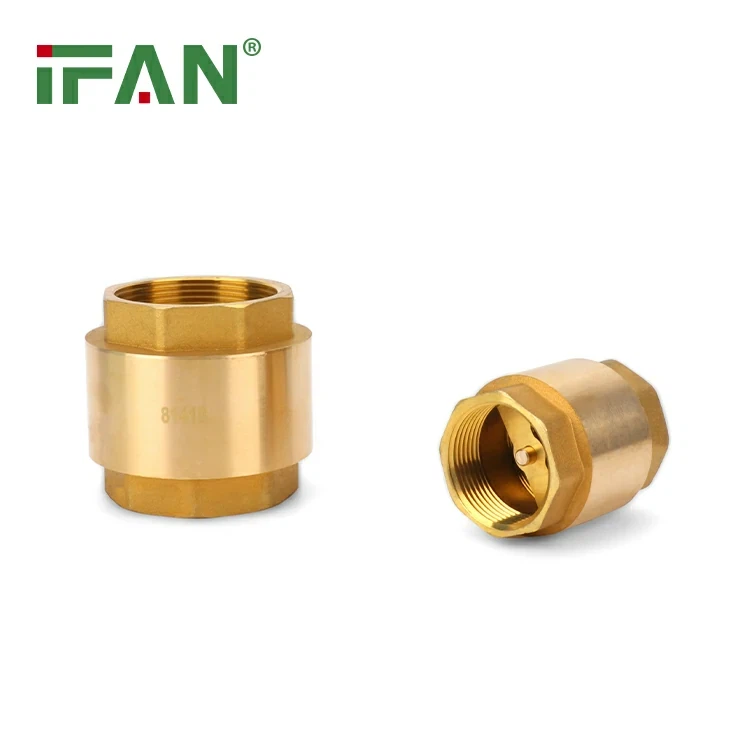
Check valves are essential components in fluid control systems, designed to allow flow in one direction while preventing backflow. The choice of material for check valves significantly impacts their performance, durability, and suitability for specific applications. Brass and stainless steel are two widely used materials, each offering distinct advantages and limitations. Brass check valves are known for their corrosion resistance, affordability, and ease of machining, making them suitable for general-purpose applications. Stainless steel check valves, on the other hand, are prized for their exceptional strength, resistance to extreme temperatures, and suitability for corrosive environments. This article provides a comprehensive comparison of the performance characteristics of brass and stainless steel check valves, helping users make informed decisions based on their specific needs.
Corrosion Resistance and Durability
Corrosion resistance is a critical factor in the performance of check valves, especially in applications involving water, chemicals, or harsh environments. Brass check valves exhibit good corrosion resistance, particularly in water-based systems, due to the natural protective layer formed by copper oxide. However, brass is susceptible to dezincification in highly acidic or alkaline environments, which can weaken the material over time. In contrast, stainless steel check valves offer superior corrosion resistance, even in aggressive chemical environments, thanks to the presence of chromium, which forms a passive oxide layer. This makes stainless steel valves ideal for industries such as chemical processing, marine, and food and beverage, where durability and longevity are paramount.
Pressure and Temperature Tolerance
The ability to withstand high pressures and temperatures is another key performance metric for check valves. Brass check valves are generally suitable for moderate pressure and temperature ranges, making them a cost-effective choice for residential and commercial plumbing systems. However, their performance may degrade under extreme conditions, such as high-pressure steam or elevated temperatures. Stainless steel check valves excel in high-pressure and high-temperature applications, maintaining their structural integrity and sealing performance even in demanding environments. This makes them the preferred choice for industrial applications, including oil and gas, power generation, and HVAC systems, where operational conditions can be severe.
Cost and Machinability
Cost is a significant consideration when selecting check valves, particularly for large-scale projects or budget-conscious applications. Brass check valves are typically more affordable than their stainless steel counterparts, owing to the lower cost of raw materials and easier machining processes. Brass is a softer material, which simplifies manufacturing and reduces production costs. Stainless steel, while more expensive, offers long-term cost savings due to its durability and reduced maintenance requirements. Additionally, stainless steel's hardness makes it more challenging to machine, increasing production costs. For applications where budget constraints are a priority, brass check valves provide a practical solution, while stainless steel valves are better suited for high-performance or long-term investment scenarios.
Applications and Suitability
The choice between brass and stainless steel check valves often depends on the specific application and operational requirements. Brass check valves are commonly used in residential plumbing, irrigation systems, and general-purpose water supply networks, where moderate pressure and temperature conditions prevail. They are also suitable for non-corrosive environments and applications requiring frequent maintenance or replacement. Stainless steel check valves, with their superior strength and corrosion resistance, are ideal for industrial applications, including chemical processing, offshore oil rigs, and food processing plants. Their ability to handle aggressive fluids and extreme conditions makes them indispensable in environments where reliability and safety are critical.

Maintenance and Lifespan
Maintenance requirements and lifespan are important factors in the overall performance of check valves. Brass check valves, while durable, may require more frequent maintenance in corrosive or high-wear environments. Regular inspections and cleaning are necessary to prevent issues such as scaling or dezincification. Stainless steel check valves, with their inherent resistance to corrosion and wear, typically have a longer lifespan and require less maintenance. This reduces downtime and operational costs, making stainless steel valves a cost-effective choice in the long run. However, the initial investment in stainless steel valves is higher, which may influence the decision for applications with limited budgets. IFAN factory 30+ years manufacture experience support color /size customization support free sample.Welcome to consult for catalog and free samples.This is our Facebook Website:www.facebook.com,Click to watch IFAN's product video.Our IFAN products from quality to price are your best choice, welcome to buy!
Conclusion
The performance comparison between brass and stainless steel check valves highlights the unique advantages and limitations of each material. Brass check valves offer affordability, ease of machining, and suitability for moderate conditions, making them a practical choice for general-purpose applications. Stainless steel check valves, with their exceptional corrosion resistance, strength, and ability to withstand extreme conditions, are ideal for demanding industrial environments. The choice between the two depends on factors such as application requirements, budget, and long-term performance expectations. By understanding the distinct characteristics of brass and stainless steel check valves, users can select the most appropriate solution to ensure optimal performance and reliability in their fluid control systems.
Hot Tags: ifan 81410 brass check valve, China ifan 81410 brass check valve manufacturers, suppliers, factory, Gate Valve For Drinking Water, Ppr Socket, PPR Coupling, PPR Pipe PN20, Cpvc Fitting, CPVC Threaded Tee


