



- Fast Delievery
- Quality Assurance
- 24/7 Customer Service
Product Introduction
Mechanism Study of Brass Filter Valves in Preventing Water Pollution
Introduction: The Growing Need for Water Purity
Water pollution has become a critical global issue in recent decades.
Contaminated water threatens public health, ecosystems, and industrial processes.
To combat this, filtration systems are used across residential, commercial, and industrial settings.
Among these systems, brass filter valves play a key role.
They offer both flow control and effective filtration within pipelines.
This article explores how brass filter valves function to reduce and prevent water pollution.
Understanding their working mechanisms helps improve water safety and sustainability.
What Is a Brass Filter Valve?
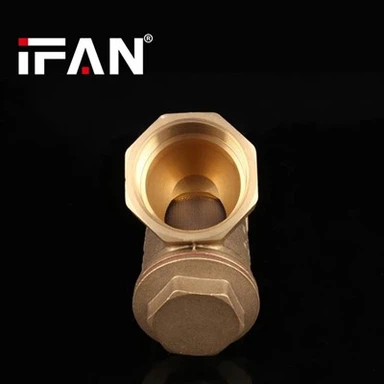
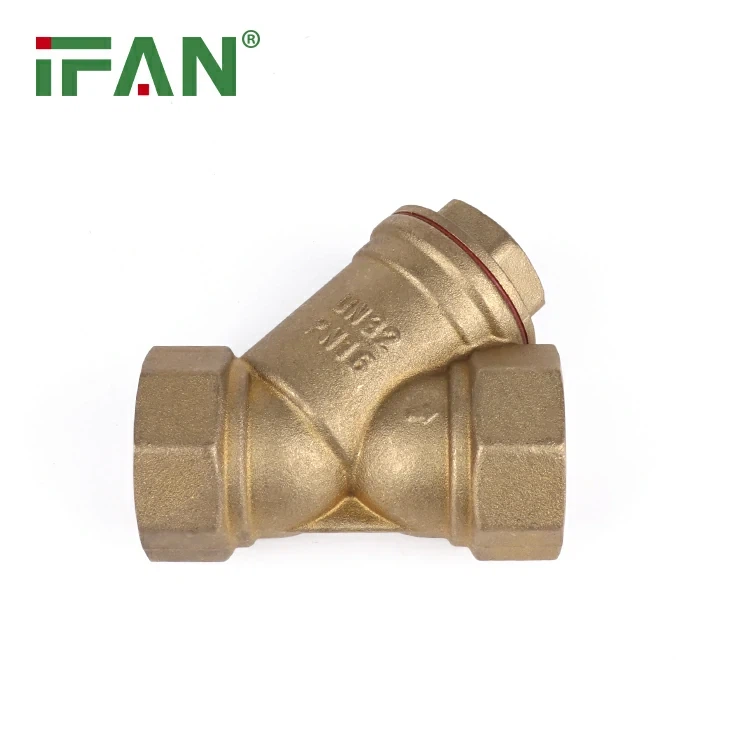
A brass filter valve is a plumbing device combining two key features.
It regulates fluid flow and removes physical impurities through an integrated filter.
The body of the valve is made of brass, an alloy of copper and zinc.
Brass offers durability, corrosion resistance, and compatibility with potable water.
Inside the valve, a mesh or screen catches particles like rust, sand, or debris.
This prevents pollutants from continuing through the system.
Such valves are commonly installed at entry points of water supply systems.
Physical Filtration: The First Line of Defense
The primary mechanism of a brass filter valve is physical filtration.
Water passes through a mesh or perforated screen housed within the valve.
The screen captures suspended solids, including dirt, rust, or plant matter.
This prevents those pollutants from entering drinking water or sensitive machinery.
Depending on the mesh size, even small particles can be intercepted.
Regular cleaning of the screen ensures continued effectiveness.
This mechanical barrier is vital in regions with poor initial water quality.
It acts immediately, without the need for chemicals or electricity.

Material Benefits of Brass in Pollution Prevention
The choice of brass as the material is not accidental.
Brass resists corrosion better than iron or untreated steel.
This is important in wet environments where metal degradation can release pollutants.
For example, rust particles from corroded iron valves can contaminate clean water.
Brass forms a stable oxide layer that resists internal wear and leaching.
It does not react easily with common water minerals or biological materials.
This ensures the valve does not become a source of pollution itself.
Brass also has mild antimicrobial properties, enhancing its safety profile.
Pressure and Flow Stability to Prevent System Contamination
Unstable pressure in water systems can dislodge biofilms or sediment.
Brass filter valves help maintain stable pressure and reduce flow turbulence.
A controlled flow prevents loosening of deposits in pipes and tanks.
Sudden surges or vacuum conditions can pull in contaminants from leaks or joints.
By regulating flow steadily, these valves limit such risks.
This mechanical stability contributes to broader water system protection.
It reduces the likelihood of internal pipe contamination or backflow.
Thus, brass filter valves help preserve water quality under dynamic conditions.
Preventing Secondary Contamination in Plumbing Systems
Secondary contamination occurs when pollutants enter water after initial treatment.
This often happens in old, damaged, or poorly maintained plumbing systems.
Brass filter valves act as a barrier at key entry points and branches.
They prevent particulate matter from entering household taps or industrial machines.
For example, sediment from a public mainline can be trapped before reaching homes.
This is particularly valuable where pipelines are aging or near construction zones.
Using brass valves helps safeguard water users from unexpected quality degradation.
This extends protection beyond central water treatment plants.

Application in Industrial and Agricultural Settings
Industrial processes often require extremely clean water inputs.
Contaminated water can lead to equipment failure or product defects.
Brass filter valves remove particles that may cause mechanical wear or blockages.
For example, in a beverage factory, a valve can stop sand or rust from entering machines.
In agriculture, these valves protect irrigation systems from clogging with soil or debris.
This improves water delivery to crops and reduces waste.
Brass withstands pressure and exposure to a range of chemicals better than plastic.
Its role in reducing contamination risk is vital in non-domestic settings.
Maintenance and Operational Longevity
Proper maintenance ensures brass filter valves work efficiently over time.
The mesh screen should be inspected and cleaned regularly.
Brass's durability allows for repeated use without quick degradation.
Unlike plastic, brass is less prone to cracking or warping under heat.
Its long lifespan means fewer replacements, reducing waste and operational downtime.
A well-maintained brass filter valve can last for years with minimal issues.
This reliability makes it a trusted component in critical water systems.
Ease of disassembly and cleaning also supports sustainable water management.
Environmental Impact and Sustainable Use
Brass filter valves contribute to sustainability in several ways.
First, they reduce the need for chemical treatments by removing debris early.
Second, brass is recyclable, lowering the environmental cost of valve production.
Third, long service life decreases the frequency of manufacturing and disposal.
By maintaining water cleanliness, these valves also support healthier ecosystems.
Less polluted runoff enters rivers or groundwater from homes and farms.
In this way, brass filter valves are not just mechanical tools but ecological protectors.
Their adoption promotes both water quality and environmental responsibility.
Conclusion: A Trusted Tool in Water Pollution Control
Brass filter valves serve as a powerful defense against water pollution.
Through mechanical filtration, material integrity, and pressure regulation, they safeguard water systems.
Their presence helps prevent both primary and secondary contamination sources.
In homes, factories, or farms, they offer reliable, long-lasting protection.
Brass filter valves are effective, environmentally friendly, and easy to maintain.
As water quality becomes a global concern, these devices play a larger role.
Investing in high-quality filtration at every stage is essential for future health.
Brass filter valves are a proven step toward cleaner, safer water for all.
Click here to watch more videos
Click here view more our factory information!
Hot Tags: ifan brass filter water valve, China ifan brass filter water valve manufacturers, suppliers, factory, Brass Y Strainer Filter