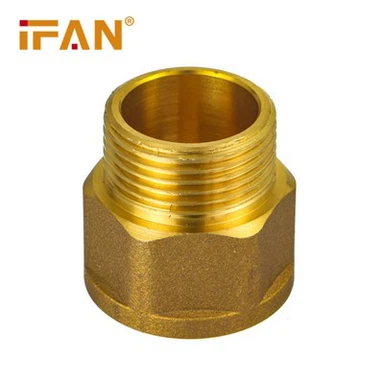


How To Install Brass Fittings: A Step-by-Step Guide
1.High quality brass material
2.Widely used in industrial residential buildings
3.Manufacturer accept OEM/ODM
- Fast Delievery
- Quality Assurance
- 24/7 Customer Service
Product Introduction
How to Install Brass Fittings: A Step-by-Step Guide
Introduction: The Importance of Brass Fittings
When it comes to plumbing and DIY projects, brass fittings stand out for their durability, corrosion resistance, and aesthetic appeal. Whether you're upgrading your home's plumbing system or working on a custom water feature, installing brass fittings correctly is crucial for both functionality and longevity. This comprehensive guide will walk you through the process step-by-step, ensuring a professional and leak-free installation.
Click here to watch more videos
Click here view more our factory information!
Keyword: Brass Fittings Installation
Meta Description:
Discover how to install brass fittings with ease. Follow our step-by-step guide for a professional and durable plumbing setup. Suitable for DIY enthusiasts and professionals alike.

Step 1: Preparation and Safety
Before you begin, ensure you have all the necessary tools and materials:
Brass fittings
Pipe (copper, PVC, or galvanized iron compatible with brass)
Teflon tape or pipe joint compound
Pipe cutter or hacksaw
Emery cloth or wire brush
Adjustable wrench or pipe wrench
Tubing bender (if bending pipes)
Safety goggles and gloves
SEO Tip: Incorporate relevant keywords naturally into your content, like "brass fitting tools" and "plumbing safety."
Step 2: Measuring and Cutting Pipe
Measure the length of pipe needed accurately using a tape measure. Cut the pipe with a pipe cutter or hacksaw, ensuring a clean, square cut. Remove any burrs or sharp edges with an emery cloth or wire brush.
Step 3: Preparing the Fitting and Pipe Threads
Wrap the male threads of the brass fitting and pipe with Teflon tape or apply a thin layer of pipe joint compound. This will create a watertight seal and prevent leaks.
SEO Tip: Use long-tail keywords like "how to apply Teflon tape to brass fittings" to enhance readability and search engine ranking.
Step 4: Assembling the Fitting
Hand-tighten the brass fitting onto the pipe end. Avoid over-tightening initially as this can damage the threads. Once the fitting is hand-tight, use an adjustable wrench or pipe wrench to secure it further, turning in a clockwise direction.
Step 5: Testing for Leaks
Before permanent installation, temporarily assemble your plumbing setup and test for leaks by turning on the water supply. Inspect all connections for drips or moisture. If leaks are found, disassemble, reapply Teflon tape or compound, and tighten again.
SEO Tip: Include a note about the importance of leak testing and how it saves time and resources in the long run.
Step 6: Permanent Installation
Once leak-free, proceed with installing the fitting in its final location. Use appropriate mounting brackets or clamps if necessary, ensuring the fitting is securely fixed and supported.
Step 7: Final Inspection
Re-check all connections for tightness and confirm there are no leaks. Turn on the water supply fully and observe the system for any issues.
Conclusion: Ensuring a Successful Installation
Installing brass fittings correctly not only enhances the functionality of your plumbing system but also adds a touch of elegance to your home. By following these steps meticulously, you'll ensure a durable and leak-free installation that stands the test of time.
FAQs
What is the best type of Teflon tape for brass fittings?
Standard PTFE (Polytetrafluoroethylene) Teflon tape is suitable for most brass fitting applications. Ensure it is wrapped evenly and smoothly around the threads.
Can I use brass fittings with PVC pipe?
Yes, but you'll need to use a transition fitting, such as a brass-to-PVC adapter, to connect the two materials securely.
How do I remove a stubborn brass fitting?
Use a pipe wrench to grip the fitting tightly and turn counterclockwise. Applying heat with a blowtorch (cautiously) can sometimes loosen stubborn threads. Always wear safety goggles and gloves.
Are brass fittings suitable for hot water systems?
Yes, brass fittings are resistant to high temperatures and are commonly used in both hot and cold water systems.
How often should I check my brass fittings for leaks?
It's a good practice to visually inspect all plumbing connections periodically, especially after any significant temperature changes or system use. Annual inspections are recommended.
Hot Tags: how to install brass fittings: a step-by-step guide, China how to install brass fittings: a step-by-step guide manufacturers, suppliers, factory, PPR Pipe PN20, Brass Float Valve, PPSU PEX Expansion Fittings, Ppr Aluminum Pipe, Yellow Pex Gas Line, Plastic PVC Pipes