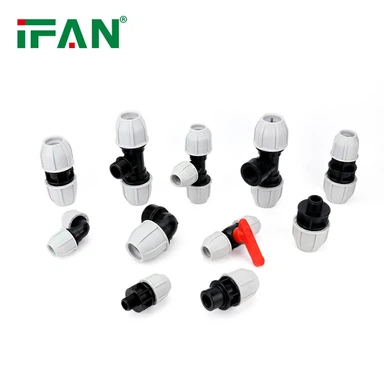


Drainage HDPE Pipe Fitting
Seismic Performance of HDPE Pipe Fittings in Earthquake Zones
- Fast Delievery
- Quality Assurance
- 24/7 Customer Service
Product Introduction
Seismic Performance of HDPE Pipe Fittings in Earthquake Zones
High-Density Polyethylene (HDPE) pipe fittings have gained recognition in earthquake-prone regions due to their flexibility, durability, and ability to withstand ground movements. Traditional rigid piping materials, such as steel or PVC, are more susceptible to cracking or joint failure during seismic events. Understanding the seismic performance of HDPE pipe fittings is essential for engineers, contractors, and municipal planners who aim to build resilient infrastructure that maintains service even after an earthquake.

1. Importance of Seismic-Resilient Piping
Seismic activity generates ground shaking, soil displacement, and lateral forces that place immense stress on buried and above-ground piping systems. In rigid pipelines, these forces can cause fractures, joint separation, and leaks, leading to water loss, gas hazards, or interruption of critical services. Piping systems in earthquake zones require materials that can absorb energy, flex without breaking, and maintain integrity under shifting soil conditions. HDPE fittings meet these requirements due to their inherent flexibility and strong joint performance.
2. Flexibility and Material Properties of HDPE
HDPE pipe fittings are made from long-chain hydrocarbon polymers, giving them a combination of toughness and elasticity. Unlike metals or brittle plastics, HDPE can deform under stress and return to its original shape once the stress is relieved. This property allows fittings to accommodate soil movements, minor landslides, or ground settlement without cracking. Additionally, HDPE joints, when properly fused, provide continuous, leak-free connections that further enhance seismic performance.
3. Advantages of HDPE Fittings in Earthquake Zones
Several features make HDPE fittings ideal for seismic applications:
High Flexibility: HDPE can bend and stretch slightly, reducing stress concentrations at joints and bends.
Leak Resistance: Fusion techniques, such as butt fusion or electrofusion, produce joints that resist separation during ground shifts.
Impact Absorption: The material's toughness absorbs energy from sudden movements, minimizing damage.
Lightweight Installation: Easier handling and installation reduce the need for rigid supports that can fail during an earthquake.
These advantages translate into increased reliability for water, gas, and industrial piping systems in regions with frequent seismic activity.
4. Design and Installation Considerations
While HDPE provides excellent seismic performance, proper design and installation are critical for optimal results:
Flexible Joints and Bends: Including expansion loops or flexible joints accommodates additional movement.
Burial Depth and Bedding: Correct bedding and backfill prevent undue strain on fittings during ground displacement.
Pipe Support Spacing: Properly spaced supports allow controlled movement while preventing excessive bending.
Compliance with Standards: Guidelines such as ASTM F714 and ISO 4437 outline best practices for HDPE pipelines in seismic regions.
Following these practices ensures that HDPE pipe systems perform reliably during and after seismic events.
Hot Tags: drainage hdpe pipe fitting, China drainage hdpe pipe fitting manufacturers, suppliers, factory, Compression HDPE Pipe Fittings, HDPE Compression Fittings, HDPE Elbow 90, HDPE Pipe Compression Fittings, HDPE Pipe Fitting, HDPE Pipe Socket