


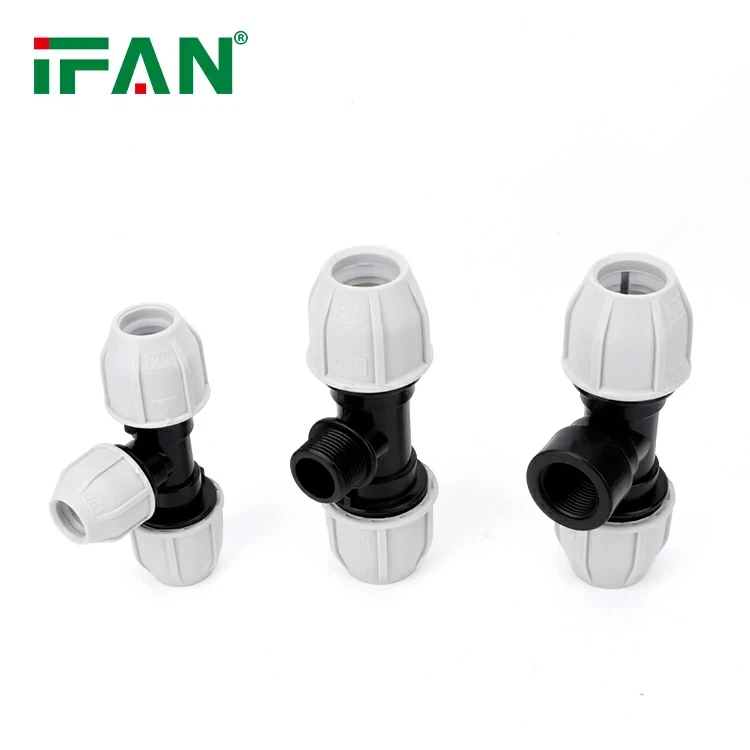
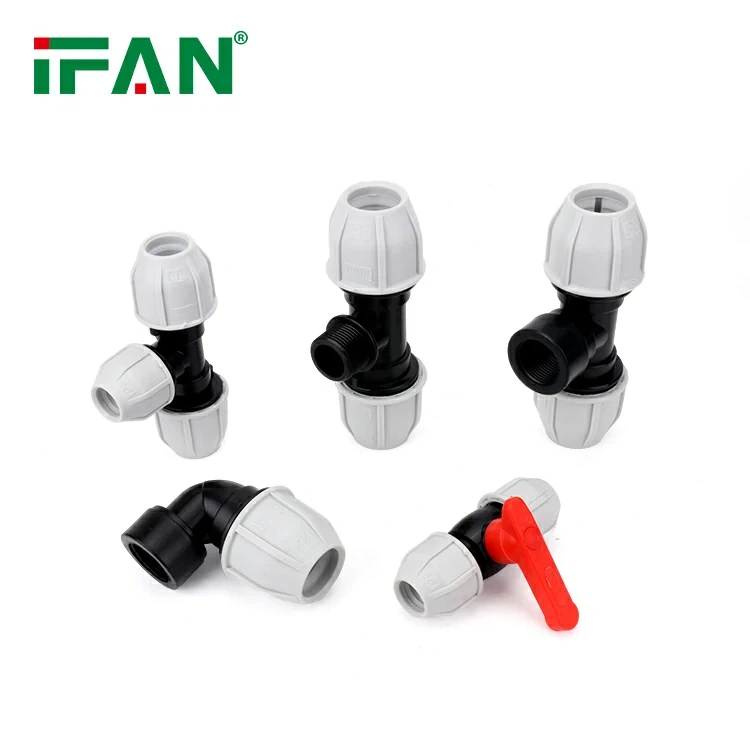

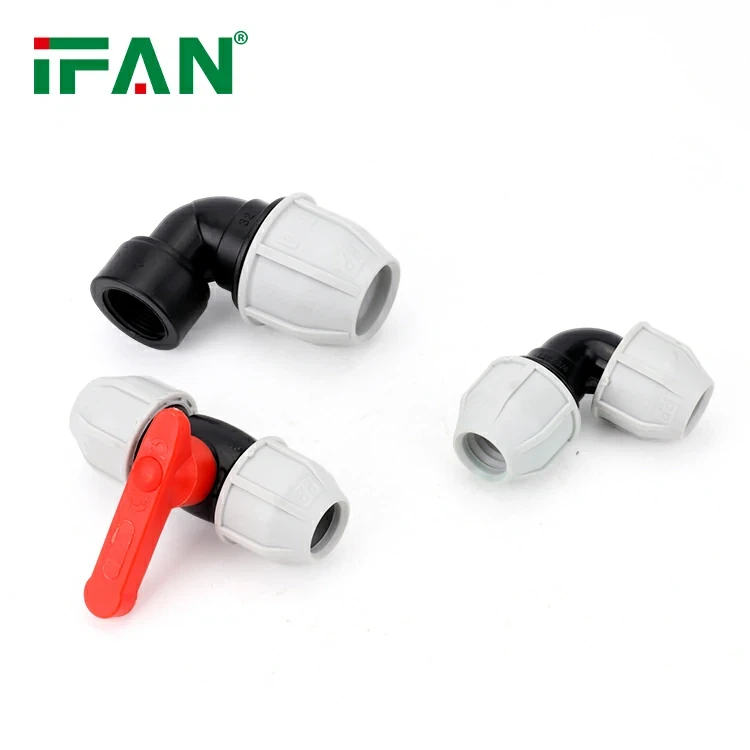
- Fast Delievery
- Quality Assurance
- 24/7 Customer Service
Product Introduction
Advantages of HDPE Pipe Fittings in Chemical Fluid Transportation
Introduction to HDPE in Chemical Transport
High-density polyethylene (HDPE) has become a popular material in chemical fluid transport systems.
Its unique combination of chemical resistance, flexibility, and cost-efficiency makes it ideal for harsh environments.
In chemical processing industries, pipeline reliability directly impacts operational safety and cost.
HDPE pipe fittings provide a modern solution, replacing traditional metal or brittle plastic options.
This article analyzes the key advantages of HDPE pipe fittings in chemical fluid transportation systems.
We cover chemical compatibility, mechanical strength, durability, installation ease, and lifecycle performance.
With increasing demand for sustainable and low-maintenance infrastructure, HDPE offers clear benefits.
Its adoption is growing across various sectors, including petrochemical, mining, and wastewater treatment.
Excellent Chemical Resistance
One of the standout features of HDPE pipe fittings is their excellent resistance to a wide range of chemicals.
Unlike metal pipes, HDPE does not corrode when exposed to aggressive acids, bases, or solvents.
This chemical inertness prevents degradation over time, even in continuous contact with corrosive fluids.
It also eliminates the need for internal linings or coatings, reducing maintenance.
In chemical fluid systems transporting sulfuric acid, caustic soda, or chlorine, HDPE maintains structural integrity.
The material's resistance to biofouling and scaling further supports its use in demanding chemical processes.
For industrial engineers, this reliability means fewer shutdowns and less risk of environmental contamination.
Such chemical stability ensures long-term performance in varied chemical applications.
High Impact and Mechanical Strength
Though lightweight, HDPE pipe fittings offer strong resistance to impact and external stress.
This strength makes them suitable for dynamic environments with fluctuating pressure or temperature.
HDPE maintains toughness even in cold climates, where many plastics become brittle.
In chemical plants where equipment vibration or mechanical shocks are common, HDPE absorbs stress efficiently.
Its flexibility reduces the risk of cracking or joint failure under mechanical strain.
Unlike rigid PVC or FRP systems, HDPE can withstand occasional misalignment or minor ground movements.
This toughness ensures safer chemical transport, especially in outdoor or underground installations.
Overall, HDPE combines flexibility and strength, ideal for industrial use.
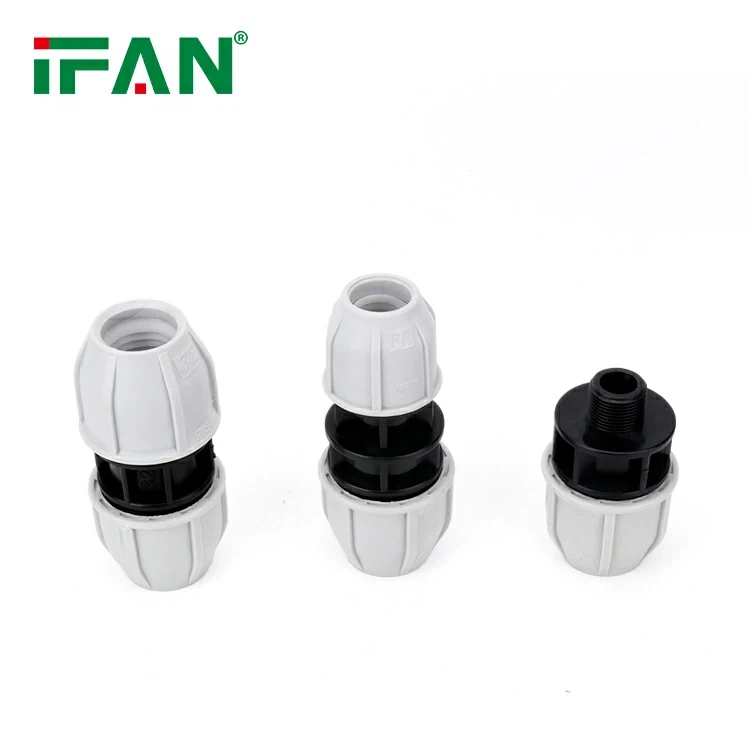
Leak-Free Joining Methods
HDPE pipe systems can be joined using advanced welding techniques like butt fusion or electrofusion.
These methods create homogenous, leak-free connections stronger than the pipe itself.
This advantage is critical in chemical fluid transport, where leakage can lead to severe hazards.
Unlike metal fittings that may require gaskets or sealants, HDPE joints eliminate weak points.
The seamless fusion also enhances system integrity in high-pressure or high-temperature environments.
Properly welded HDPE pipe fittings can last decades without requiring tightening or resealing.
This reliability reduces long-term maintenance costs and improves safety in hazardous fluid systems.
Fusion welding is both durable and suitable for remote or confined areas.
Lightweight and Easy to Install
Compared to traditional piping materials like steel or ductile iron, HDPE is significantly lighter.
This low weight simplifies handling, transportation, and installation, even in large-scale chemical plants.
Contractors can install HDPE pipe fittings without heavy lifting equipment, reducing labor time.
For elevated pipelines or long-distance chemical transport, HDPE offers logistical advantages.
Its flexibility allows for curved installations and fewer fittings, which further simplifies layout.
The ease of field welding also helps reduce construction time and operational downtime.
HDPE is particularly suitable for replacement or retrofit projects with tight timelines.
This installation efficiency makes HDPE a preferred choice for modern fluid systems.
Resistance to Abrasion and Wear
Chemical fluids often contain abrasive particles that cause wear in piping systems.
HDPE pipe fittings exhibit excellent abrasion resistance, making them suitable for slurry or solid-laden fluids.
They outperform many metal and rigid plastic alternatives in long-term erosion resistance.
This durability reduces the risk of pinhole leaks and pipe thinning during extended service.
In industries such as mining and chemical processing, this wear resistance is a major advantage.
The smooth interior surface of HDPE also helps minimize pressure loss due to friction.
Reduced erosion extends pipe lifespan and ensures consistent flow in aggressive fluid systems.
Over time, this leads to significant cost savings in replacement and repairs.
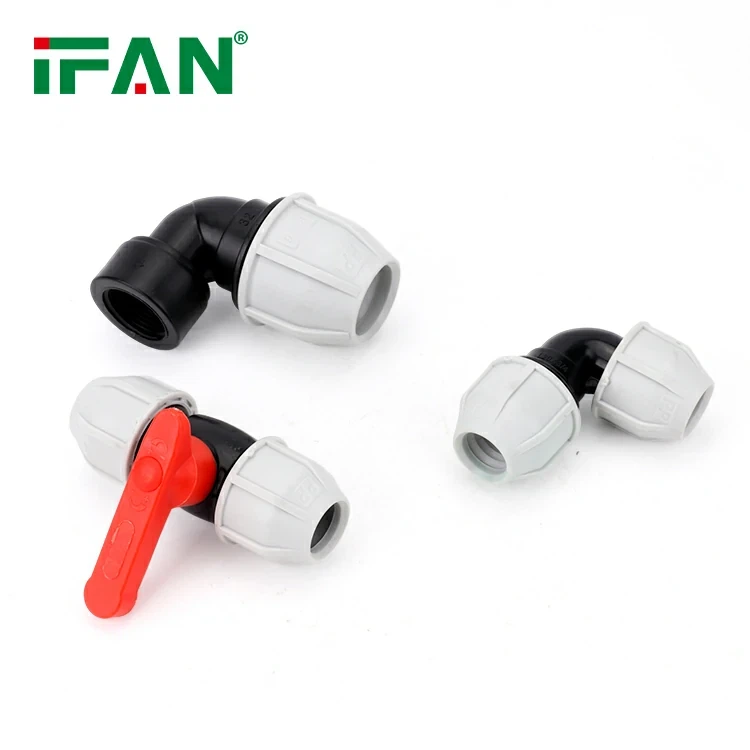
Environmental and Safety Benefits
HDPE is a recyclable and non-toxic material, offering sustainability advantages in fluid transport infrastructure.
It does not release harmful chemicals during use or breakdown.
Unlike metal pipes, HDPE fittings do not require painting or corrosion inhibitors.
This reduces the environmental footprint and potential worker exposure to hazardous coatings.
Because HDPE pipe fittings are fused rather than glued or sealed, there are no volatile organic compounds (VOCs).
These safety and sustainability features support eco-conscious design in chemical plants.
Additionally, the high leak-resistance of HDPE systems protects against environmental spills.
This is essential in areas with strict environmental regulations or sensitive ecosystems.
Long-Term Cost Effectiveness
While the upfront cost of HDPE may be comparable to other piping materials, its lifecycle cost is often lower.
Reduced maintenance, fewer leakages, and a long service life translate to overall savings.
HDPE systems typically require less supervision and fewer emergency repairs.
The fusion joining technique cuts labor costs and minimizes the need for specialized fittings.
Its resistance to chemical attack and abrasion reduces unplanned downtime.
Case studies show HDPE pipe fittings lasting over long-term durability according to standards in chemical service applications.
This durability ensures a higher return on investment for industrial operators.
Choosing HDPE means paying less over time for greater system performance.
Conclusion: The Ideal Choice for Chemical Fluids
HDPE pipe fittings present a robust, flexible, and safe solution for transporting a wide variety of chemical fluids.
Their advantages include superior chemical resistance, mechanical strength, ease of installation, and sustainability.
Industries aiming to optimize safety, efficiency, and long-term reliability benefit greatly from HDPE systems.
With fusion welding techniques and excellent material durability, HDPE ensures minimal leakage and maintenance.
As the chemical industry evolves toward cleaner and more resilient systems, HDPE will continue gaining importance.
For engineers and plant designers, HDPE offers a future-ready, cost-effective solution to fluid transport challenges.
It is no longer just an alternative-it's becoming the standard for modern chemical pipeline infrastructure.
Click here to watch more videos
Click here view more our factory information!
Hot Tags: ifan grey hdpe pipe fitting, China ifan grey hdpe pipe fitting manufacturers, suppliers, factory, HDPE Pipe Compression Fittings, HDPE Pipe Socket, HDPE Compression Fittings, HDPE Pipe Fitting, HDPE Elbow 90, Compression HDPE Pipe Fittings


