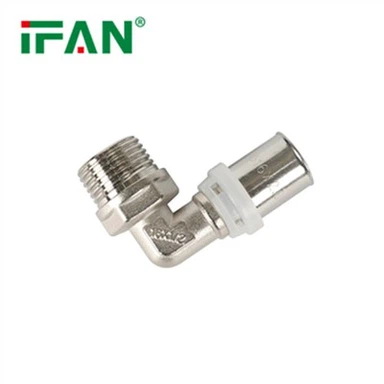
Are Pex Compression Fittings Suitable For Hot And Cold Water?
May 28, 2026

Introduction to PEX Compression Fittings
PEX compression fittings are widely used in modern residential and commercial plumbing systems to connect PEX (cross-linked polyethylene) pipes. These fittings use a mechanical compression mechanism to create a tight seal between the pipe and fitting body, ensuring controlled and leak-resistant water flow. A common question among homeowners and installers is whether these fittings are suitable for both hot and cold water applications. The answer depends on the material properties of PEX, the design of the fittings, and the operating conditions of the plumbing system.
Temperature Resistance of PEX Materials
PEX piping is specifically engineered to handle a wide range of temperatures, making it suitable for both hot and cold water systems. In general, PEX pipes can safely operate in temperatures up to around 200°F (93°C), which is well above typical domestic hot water levels. This thermal resistance allows PEX compression fittings, when properly installed, to function effectively in both hot and cold water lines. The flexibility of PEX also helps it adapt to temperature fluctuations without cracking or losing structural integrity, which is a key advantage over rigid piping materials.
Performance in Hot Water Systems
In hot water applications, PEX compression fittings perform reliably when installed correctly and used within recommended temperature limits. The compression ring creates a secure mechanical seal that holds the pipe firmly in place even as the system expands and contracts due to heat. Unlike metal pipes, which may experience thermal stress at joints, PEX systems absorb expansion more easily. This reduces strain on the fittings and helps maintain leak-free performance in water heater connections, hot water distribution lines, and radiant heating systems.
Performance in Cold Water Systems
PEX compression fittings also perform very well in cold water applications. The flexibility of PEX tubing prevents cracking or brittleness in low-temperature conditions, which can sometimes affect rigid plastic or metal pipes. In cold water supply lines, the compression fitting maintains a stable seal without being affected by temperature-related contraction. This makes it especially suitable for underground installations or unheated areas such as basements, crawl spaces, and exterior plumbing systems where temperatures may drop significantly.
Role of Compression Mechanism in Temperature Stability
The compression mechanism plays a key role in ensuring temperature stability in both hot and cold water systems. When the nut is tightened, the compression ring applies even pressure around the PEX pipe, creating a secure mechanical bond. This design allows the fitting to maintain sealing integrity even as the pipe expands or contracts due to temperature changes. Unlike adhesive-based or soldered joints, compression fittings rely on mechanical force rather than chemical bonding, making them less sensitive to temperature variations.
Comparison with Traditional Metal Fittings
Compared to traditional metal fittings, PEX compression fittings offer superior flexibility in handling temperature changes. Metal systems, especially copper or steel, can expand and contract significantly under heat, sometimes leading to joint stress or leakage over time. PEX systems reduce this issue by allowing the pipe itself to flex with temperature changes. While metal fittings may offer high strength, they require more complex installation methods such as soldering, which can be more sensitive to thermal stress during operation. In contrast, PEX compression fittings provide a more adaptable solution for both hot and cold water systems.
Installation Quality and System Performance
The suitability of PEX compression fittings for hot and cold water systems also depends heavily on installation quality. Proper pipe cutting, correct insertion depth, and appropriate tightening of the compression nut are essential to ensure a reliable seal. If installed incorrectly, even temperature-resistant materials can develop leaks under pressure or thermal cycling. When installed according to manufacturer guidelines, however, these fittings provide long-term stability and consistent performance in both temperature conditions.
Long-Term Durability Under Thermal Cycling
One of the key advantages of PEX compression fittings is their ability to withstand long-term thermal cycling. Residential plumbing systems frequently switch between hot and cold water usage, causing repeated expansion and contraction. Over time, poorly designed systems may develop leaks or joint fatigue. PEX compression fittings are designed to handle these repeated changes without significant wear. The combination of flexible tubing and mechanical sealing helps maintain durability and reduces maintenance requirements over the system's lifespan.