
Brass Press Fitting in Industrial Fluid Transmission: Performance and Applications
Mar 19, 2025
Introduction
Industrial fluid transmission systems are crucial components in numerous industries, including chemicals, petrochemicals, pharmaceuticals, and energy. These systems handle a wide range of fluids, from corrosive chemicals to high-pressure steam. Brass press fittings have emerged as a reliable and efficient solution for connecting pipes and tubing in these systems. This article explores the performance of brass press fittings in industrial fluid transmission, highlighting their key features, benefits, durability, installation processes, and compliance with industry standards.
Key Features of Brass Press Fittings
1.1 Material Composition
Brass press fittings are primarily made from brass, an alloy composed primarily of copper and zinc. Brass is renowned for its corrosion resistance, strength, and machinability. These properties make brass an ideal material for fluid transmission systems that must withstand harsh environments and aggressive fluids. Additionally, brass offers excellent thermal conductivity, which is beneficial in systems that experience temperature fluctuations.
1.2 Design and Versatility
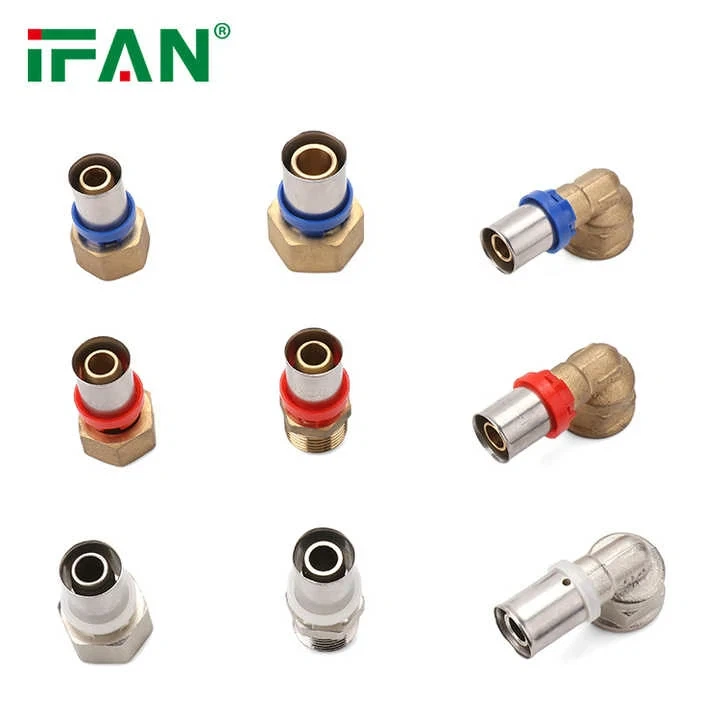
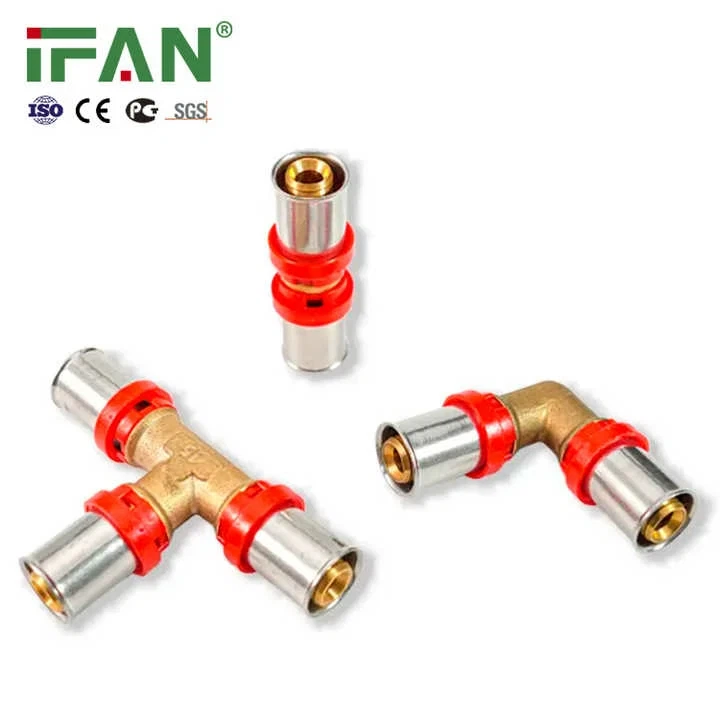
Press fittings come in various designs, including elbows, tees, couplings, and reducers, allowing for versatile fluid routing and system configuration. Their compact design minimizes space requirements and simplifies installation in tight or confined spaces. Brass press fittings are available in a range of sizes, from small diameter tubing to large industrial pipes, catering to the diverse needs of industrial fluid transmission systems.
Benefits of Brass Press Fittings in Industrial Applications
2.1 Enhanced Leak Resistance
One of the primary benefits of brass press fittings is their enhanced leak resistance. Unlike threaded or welded connections, press fittings utilize a crimping or pressing mechanism to create a secure, permanent seal. This eliminates the risk of leaks due to loose threads or welding imperfections, ensuring the integrity of the fluid transmission system.
2.2 Ease of Installation
Installation of brass press fittings is significantly faster and easier compared to traditional methods such as threading or welding. Press tools are designed to quickly and efficiently crimp the fitting onto the pipe or tubing, reducing installation time and labor costs. This efficiency is particularly advantageous in large-scale industrial projects where minimizing downtime is critical.
Durability and Longevity in Industrial Settings
3.1 Corrosion Resistance
The corrosion resistance of brass is a key factor contributing to the durability of press fittings in industrial fluid transmission systems. Brass forms a protective oxide layer on its surface, which shields it from further corrosion. This makes brass press fittings suitable for use in environments with high humidity, aggressive chemicals, or saltwater exposure, common in marine and offshore applications.
3.2 Pressure and Temperature Ratings
Brass press fittings are designed to withstand high pressures and temperatures, making them suitable for a wide range of industrial applications. Manufacturers provide detailed specifications for each fitting, outlining their maximum working pressure and temperature ratings. This ensures that designers and engineers can select the appropriate fitting for their specific system requirements, ensuring safe and reliable operation.
Installation Processes and Best Practices
4.1 Preparation and Cleanliness
Proper preparation and cleanliness are essential for successful installation of brass press fittings. Before pressing, pipes and tubing should be cleaned to remove any debris, grease, or contaminants that could compromise the seal. Cutting tools should be sharp to ensure clean, square cuts, and deburring tools should be used to remove any sharp edges.
4.2 Use of Press Tools and Techniques
The selection and use of the correct press tool are critical for achieving a secure and leak-free connection. Manufacturers typically provide guidelines and recommendations for the type and size of press tool required for each fitting. Operators should be trained in the proper use of press tools to ensure consistent and reliable results.
Compliance with Industry Standards and Regulations
5.1 International Standards
Brass press fittings must comply with various international standards and regulations to ensure their safety and reliability in industrial applications. These standards include ISO (International Organization for Standardization), DIN (Deutsches Institut für Normung), and ASTM (American Society for Testing and Materials), among others. Compliance with these standards ensures that fittings meet specified performance criteria, including pressure ratings, temperature limits, and material composition.
5.2 Certification and Testing
Manufacturers of brass press fittings often undergo rigorous testing and certification processes to validate their products' compliance with industry standards. Testing may include pressure testing, temperature cycling, corrosion resistance testing, and material composition analysis. Certification provides assurance to end-users that the fittings meet the required specifications and are suitable for their intended application.
In conclusion, brass press fittings offer a robust and efficient solution for industrial fluid transmission systems. Their key features, including corrosion resistance, versatile design, and enhanced leak resistance, combined with ease of installation and durability, make them an ideal choice for a wide range of industrial applications. By adhering to best practices during installation and ensuring compliance with industry standards, brass press fittings can provide reliable performance and longevity in the most demanding environments.