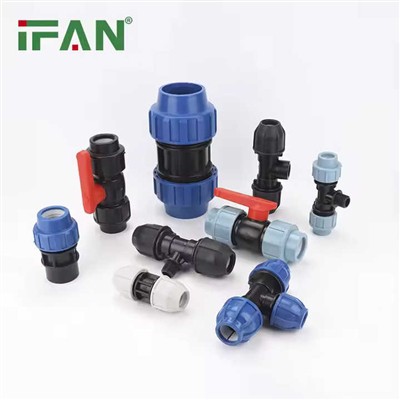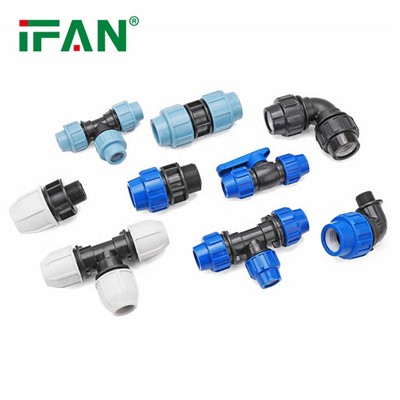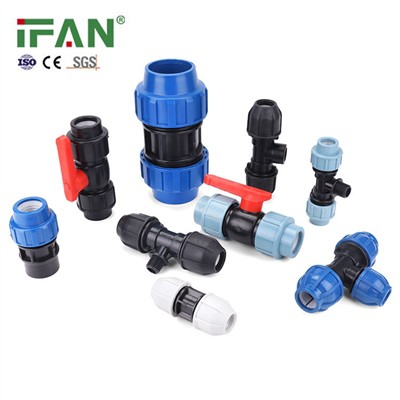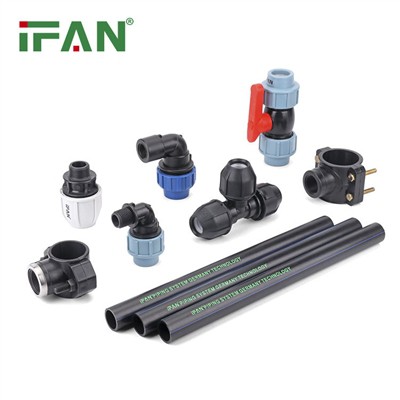

-
![HDPE Fittings Installation and Safety Considerations]()
Sep 16, 2025
HDPE Fittings Installation and Safety Considerations
Proper installation is critical to ensure HDPE fittings perform reliably in high-pressure systems. Alignment tools, pipe clamps, and rollers help maintain correct positioning during fusion. Thermal fu
view more >> -
![Types of HDPE Fittings for High-Pressure Applications]()
Sep 16, 2025
Types of HDPE Fittings for High-Pressure Applications
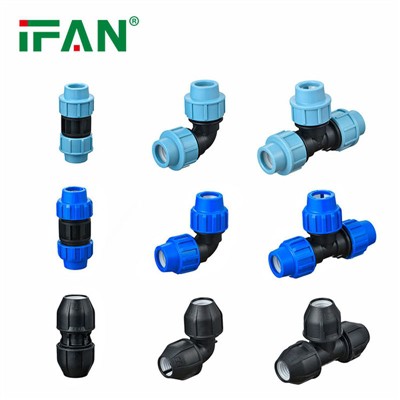
Several types of HDPE pipe fittings are commonly used in high-pressure systems: Elbows and Bends: Allow directional changes in piping while maintaining pressure integrity. Tees and Crosses: Facilitate
view more >> -
![HDPE Fittings Material and Design Considerations]()
Sep 16, 2025
HDPE Fittings Material and Design Considerations
The performance of HDPE fittings in high-pressure water systems depends heavily on material quality and design. HDPE resins used for these fittings typically comply with ASTM D3350 or ISO 4427, ensuri
view more >> -
![Advantages of HDPE Fittings in High-Pressure Systems]()
Sep 16, 2025
Advantages of HDPE Fittings in High-Pressure Systems
HDPE pipe fittings provide several advantages that make them ideal for high-pressure applications. Unlike traditional metal fittings, HDPE is resistant to corrosion, scaling, and chemical degradation,
view more >> -
![PP Reinforcement Components]()
Sep 15, 2025
Certain HDPE fittings, especially those used in high-pressure or industrial applications, include reinforcement elements. These may consist of additional layers of polyethylene or embedded fibers to i
view more >> -
![PP Gaskets and Seals]()
Sep 15, 2025
For HDPE fittings that rely on mechanical or compression connections, gaskets and seals are essential components. Made from durable elastomers, these elements provide a watertight seal that prevents l
view more >> -
![PP Connection Ends]()
Sep 15, 2025
HDPE pipe fittings feature various connection ends that allow them to join with other pipes or fittings. Common types include: Butt Fusion Ends: Designed for welding directly to HDPE pipes using heat
view more >> -
![Body of PP Fitting]()
Sep 15, 2025
The body of an HDPE pipe fitting is its primary structural component. It is typically molded from high-quality polyethylene resin and shaped to form elbows, tees, reducers, or couplings. The body dete
view more >>