The Manufacturing Standards Behind Reliable PPR Fittings
Jun 28, 2025
What Are PPR Fittings?
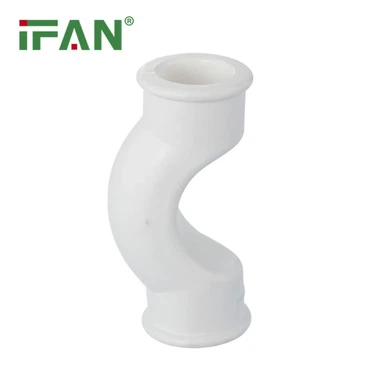
PPR fittings are molded connectors made from polypropylene random copolymer, a thermoplastic known for its high resistance to heat, pressure, and corrosion. These fittings are used to join PPR pipes, forming seamless systems for potable water, heating networks, and industrial liquid transport. The integrity of a PPR system depends not only on the material's intrinsic properties but also on the strict standards adhered to during manufacturing. These standards define performance expectations and ensure that products meet international safety, strength, and longevity requirements.
ISO 15874: The Primary Global Standard
The most widely recognized international benchmark for PPR systems is ISO 15874. This standard specifies the requirements for polypropylene piping systems intended for hot and cold water installations. It covers dimensions, pressure ratings, test methods, and jointing techniques. PPR fittings produced under ISO 15874 must pass various tests for thermal endurance, hydrostatic strength, and environmental stress cracking. Compliance with ISO 15874 guarantees that the fittings can withstand continuous use at 70°C and occasional surges up to 95°C-making them suitable for demanding applications like central heating and domestic water supply.
DIN and EN Standards in European Markets
In addition to ISO standards, European countries also follow DIN (Deutsches Institut für Normung) and EN (European Norm) specifications. For PPR fittings, DIN 8077/8078 and EN ISO 15874 are commonly applied. These standards regulate material properties, dimensional tolerances, and wall thickness to ensure consistency across production batches. Manufacturers meeting both DIN and EN standards provide greater assurance to contractors and engineers seeking fittings for public infrastructure and certified green buildings, where strict compliance is often a project requirement.

Raw Material Selection and Quality Certification
High-quality PPR fittings begin with the selection of certified raw materials. Only virgin polypropylene random copolymer-typically designated as Type 3 or PP-R-is accepted under international standards. This material must have specific melt flow rates, density, and resistance properties. Reputable manufacturers often use materials from global suppliers who themselves comply with certifications such as NSF (National Sanitation Foundation) and WRAS (Water Regulations Advisory Scheme). Using substandard or recycled materials can compromise pressure resistance and reduce lifespan, which is why raw material quality is a fundamental standard in PPR manufacturing.
Dimensional Accuracy and Tolerance Control
Precision is essential in producing PPR fittings that fit tightly and weld securely with pipes. Manufacturing standards enforce strict dimensional tolerances for internal and external diameters, wall thickness, and fitting curvature. For example, a 25mm PPR elbow must consistently maintain dimensions across all units to ensure reliable jointing and pressure performance. Advanced injection molding techniques and CNC-controlled equipment are used to meet these tolerances. Quality assurance checks, including automated measurement systems and manual caliper inspections, help guarantee dimensional accuracy in every batch.
Thermal Stability and Pressure Testing
Thermal and pressure performance are critical characteristics of PPR fittings, especially for systems that carry hot water or operate under constant pressure. International standards require manufacturers to conduct hydrostatic pressure tests at elevated temperatures over extended periods. For instance, fittings must withstand 1.6 MPa at 95°C for 1,000 hours without leaking or deforming. These stress tests simulate real-world conditions and ensure that fittings will maintain integrity in long-term service. Manufacturers must maintain detailed records of these tests as part of quality control and certification processes.
Joint Integrity and Welding Compatibility
PPR fittings are joined using socket fusion welding, which requires compatibility between the fitting and pipe in both physical and thermal characteristics. Standards mandate that fittings must have uniform melting behavior to ensure complete bonding. To validate this, samples undergo weldability testing where fittings are joined to pipes and subjected to pressure and tension. Poor fusion can result in weak joints and system failure, so welding performance is a critical metric in certifying PPR fittings. Consistency in wall thickness and fusion depth is also checked during production.
Mechanical Strength and Impact Resistance
In many applications, PPR fittings must endure mechanical stress during installation or operation. Manufacturing standards include requirements for impact resistance and tensile strength. Test samples are dropped or compressed under controlled conditions to simulate accidental damage or external pressure. Standards like ISO 9854 specify the minimum impact performance PPR products must meet. Fittings that fail these tests are disqualified from distribution. Ensuring mechanical durability helps reduce installation damage and extends the system's useful life, especially in commercial and industrial environments.
Environmental and Hygiene Standards
For potable water systems, hygiene is a top priority. Reliable PPR fittings must comply with standards that ensure they do not leach harmful chemicals into drinking water. These include national certifications such as the NSF/ANSI 61 in North America, WRAS in the UK, and ACS in France. Manufacturers must also ensure their production processes are free of heavy metals, plasticizers, and other toxic additives. In addition, PPR fittings are tested for biofilm resistance, minimizing microbial contamination and preserving water purity over time.

Certification, Marking, and Traceability
Certified PPR fittings are marked with standardized codes and batch numbers that allow for traceability from production to installation. This includes manufacturer identity, size, pressure class, material type (e.g., PP-R), and applicable standards (e.g., ISO 15874, DIN 8077). These markings are not only important for compliance but also help installers and inspectors verify that fittings meet project requirements. Manufacturers must also provide certificates of conformity and technical datasheets that detail product performance, installation guidelines, and quality control procedures.
Role of Third-Party Testing and Audits
To ensure transparency and reliability, top manufacturers submit their PPR fittings to third-party testing by independent labs. These agencies audit manufacturing facilities, inspect materials, and conduct random sample testing to verify compliance with international standards. Certificates from bodies such as TÜV, SGS, or DVGW provide additional assurance to end-users, especially in government, healthcare, or industrial projects where quality failures are unacceptable. Third-party oversight strengthens trust and prevents the use of counterfeit or substandard plumbing components.
Conclusion
Reliable PPR fittings owe their performance and durability to rigorous manufacturing standards that span raw material selection, dimensional control, mechanical testing, and hygienic safety. Standards like ISO 15874 and DIN 8077/8078 ensure that every fitting leaving the factory floor meets the demands of modern water supply systems. By complying with these benchmarks and undergoing third-party verification, PPR fitting manufacturers provide installers and engineers with confidence in long-term performance. As the plumbing industry continues to prioritize safety, sustainability, and quality, the role of manufacturing standards remains central to building reliable, high-performance piping systems.
Click here to watch more videos