
Troubleshooting Common Issues With CPVC Tube Fitting Male Socket
Dec 11, 2024
Troubleshooting Common Issues with CPVC Tube Fitting Male Socket
CPVC (Chlorinated Polyvinyl Chloride) is a popular material used in plumbing systems due to its durability, heat resistance, and ease of installation. The CPVC tube fitting male socket is an essential component in connecting CPVC pipes, commonly used to join pipes with female-threaded fittings or other CPVC male connections. While CPVC fittings generally offer long-lasting and reliable performance, occasional issues can arise during installation or use.
In this guide, we will explore common problems associated with CPVC tube fitting male sockets, discuss their causes, and provide solutions to help you troubleshoot and resolve these issues effectively.
What is a CPVC Tube Fitting Male Socket?
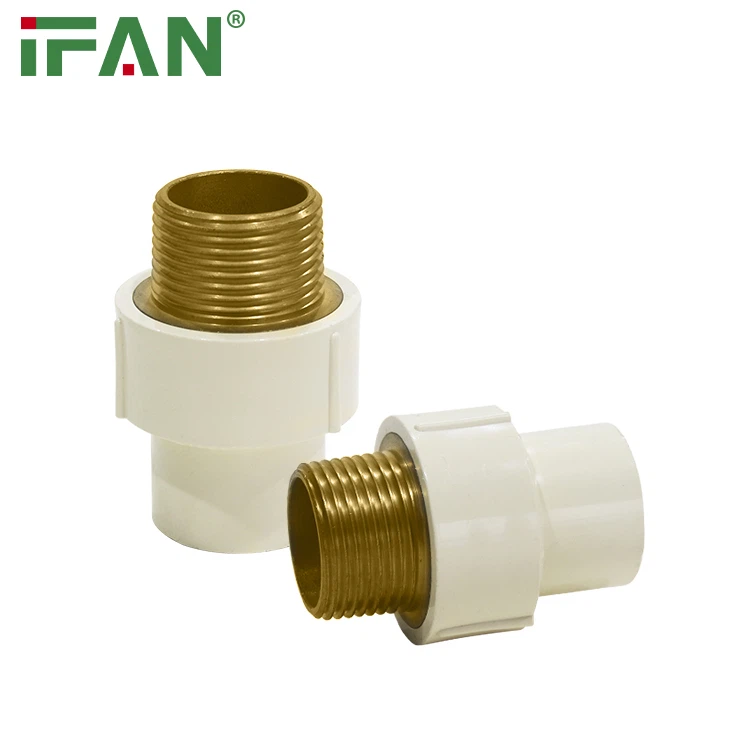
A CPVC tube fitting male socket is a fitting designed to connect a male-threaded pipe to another pipe or fitting with a female socket. The male socket fitting typically has an external thread that allows it to be connected to a female-threaded fitting, ensuring a secure and leak-proof joint. CPVC male socket fittings are commonly used in plumbing systems for water distribution, drainage, and industrial applications due to their resistance to heat and chemicals.
Common Issues with CPVC Tube Fitting Male Socket
1. Leaking Connections
One of the most common issues with CPVC tube fitting male sockets is leakage. Leaks can occur at the joint where the male socket fitting connects with the female-fitting or pipe. A leak is problematic because it can lead to water damage, reduced water pressure, and inefficiency in the system.
Causes of Leaking Connections:
Improper installation: If the fitting wasn't installed properly, it may not have been tightened enough, causing water to seep out.
Inadequate primer and solvent cement application: Failure to apply the correct amount of primer and solvent cement during installation can lead to an incomplete or weak bond between the pipe and the fitting.
Worn or damaged fittings: Over time, CPVC fittings can become worn or cracked, especially if exposed to extreme temperatures or pressure.
Cross-threading: If the male socket fitting is cross-threaded during installation, it can prevent the fitting from sealing correctly, resulting in leaks.
How to Fix Leaking Connections:
Re-tighten the connection: If the leak is occurring due to loose fittings, try re-tightening the connection. Use appropriate tools to ensure that the male socket fitting is securely threaded into the female fitting.
Inspect the installation: Ensure that the primer and solvent cement were applied properly. If necessary, disassemble the joint, clean the surfaces, and reapply primer and cement.
Replace damaged fittings: If the CPVC fitting is cracked or damaged, replace it with a new one. It's important to use high-quality CPVC fittings that are free from defects.
Check for cross-threading: If the male socket fitting was cross-threaded during installation, remove the fitting and re-align the threads. Be sure to thread the fitting carefully to avoid damaging the threads.
2. Cracked or Brittle CPVC Fittings
CPVC is known for its durability, but like all materials, it can become brittle under certain conditions. Over time, CPVC tube fitting male sockets can crack or break, especially if exposed to fluctuating temperatures, UV rays, or physical stress.
Causes of Cracked or Brittle Fittings:
Exposure to UV light: CPVC pipes and fittings are vulnerable to UV damage if they are not protected by insulation or covered in areas exposed to sunlight.
Extreme temperature changes: CPVC is designed to handle hot and cold temperatures, but rapid temperature fluctuations or exposure to extremely high temperatures can cause the material to weaken and crack.
Improper storage: Storing CPVC fittings in extreme conditions, such as excessive heat or cold, can cause them to become brittle and break easily during installation or use.
Physical impact: Dropping or striking CPVC fittings during installation or handling can cause cracks or fractures, especially if the material is cold or has become weakened over time.
How to Fix Cracked or Brittle Fittings:
Protect fittings from UV exposure: If your CPVC fittings are exposed to sunlight, consider using protective coatings or coverings to shield them from UV damage. If possible, use CPVC fittings that are UV-resistant.
Ensure proper temperature management: Avoid sudden temperature changes that can stress CPVC materials. Make sure the system is properly insulated to maintain consistent temperatures in plumbing applications.
Store fittings properly: Store CPVC fittings in a cool, dry place and avoid exposing them to extreme temperatures or direct sunlight.
Replace damaged fittings: If a CPVC male socket fitting has cracked or become brittle, replace it immediately to prevent further issues. Using high-quality CPVC fittings from a reputable supplier can help minimize the risk of this issue.
3. Difficult or Improper Connection
Another issue that homeowners and plumbers may encounter when using CPVC tube fitting male sockets is difficulty in making a proper connection. This can result from several factors, including installation errors or material inconsistencies.
Causes of Difficult or Improper Connections:
Mismatched sizes: If the CPVC male socket fitting is not the right size for the pipe or fitting being connected, it may not form a proper seal, leading to difficulty in connection or even failure of the joint.
Dirt or debris on the pipe or fitting: If the pipe or fitting is dirty, it can interfere with the bonding process, preventing the connection from sealing properly.
Inadequate lubrication: Sometimes, trying to force the pipe into the fitting can cause difficulty. CPVC fittings often require a slight amount of lubrication for a smooth connection.
How to Fix Difficult or Improper Connections:
Check for correct sizing: Ensure that the CPVC male socket fitting matches the size and diameter of the pipe or fitting you are working with. If the sizes are mismatched, replace the fitting with the correct size.
Clean the pipe and fitting: Before installation, make sure both the pipe and the male socket fitting are clean and free of dirt, dust, and debris. Use a clean cloth to wipe down the surfaces before applying primer and solvent cement.
Lubricate the connection: To make the connection easier, lightly lubricate the pipe with water or use a small amount of lubricant recommended for CPVC installations. Avoid over-lubricating the pipe as it may prevent proper bonding.
4. Discoloration or Staining
Discoloration or staining of CPVC tube fitting male sockets is not an uncommon issue, especially when the system has been in use for an extended period. This problem typically manifests as a yellow or brownish discoloration, which can be unsightly and may suggest a potential issue with the system.
Causes of Discoloration or Staining:
Exposure to high temperatures: CPVC fittings can discolor over time if exposed to high temperatures, especially in hot water systems or areas with fluctuating water temperatures.
Chemical exposure: CPVC is resistant to many chemicals, but long-term exposure to harsh chemicals or certain solvents can cause discoloration or degradation of the material.
Hard water deposits: Hard water can leave mineral deposits on the surface of CPVC fittings, leading to staining and discoloration over time.
How to Fix Discoloration or Staining:
Install temperature regulation: Ensure that your CPVC system is not exposed to temperatures beyond its rated capacity. Consider installing temperature regulators to prevent overheating of the system.
Use water softeners: If your area has hard water, consider installing a water softener to reduce mineral buildup and prevent staining on your CPVC fittings.
Clean the fittings: If discoloration occurs, gently clean the fittings using a mild cleaning solution designed for CPVC. Avoid using harsh chemicals or abrasive materials that could damage the surface of the fittings.
5. Over-tightening or Under-tightening the Fitting
CPVC tube fittings are designed to provide a tight seal with proper installation. However, over-tightening or under-tightening the male socket fitting can cause various issues, including leaks or even damage to the fitting.
Causes of Over-tightening or Under-tightening:
Over-tightening: If the male socket fitting is tightened too much, it can stress the threads, potentially causing cracking or distortion of the fitting, leading to leaks.
Under-tightening: Insufficient tightening of the fitting can result in an incomplete seal, leading to leakage or a loose connection.
How to Fix Over-tightening or Under-tightening:
Use the proper torque: Tighten the CPVC fitting by hand, ensuring it is snug but not overly tight. If needed, use a wrench to give the fitting a final quarter-turn to secure it without damaging the threads.
Avoid excessive force: Use only the necessary amount of force to tighten the fitting. If resistance is met, stop tightening to prevent damage.