
DIN 8077/8078 PPR Fittings Vs. PVC Fittings: A Detailed Comparison
Dec 27, 2024
When it comes to plumbing systems, the choice of materials for pipes and fittings plays a crucial role in ensuring the efficiency, durability, and longevity of the installation. Two of the most popular materials used for plumbing fittings are PPR fittings (Polypropylene Random Copolymer) and PVC fittings (Polyvinyl Chloride). Both materials have distinct advantages and disadvantages, making them suitable for different types of applications. In this article, we will compare PPR fittings and PVC fittings in detail, helping you understand the strengths and weaknesses of each.
What Are PPR Fittings?
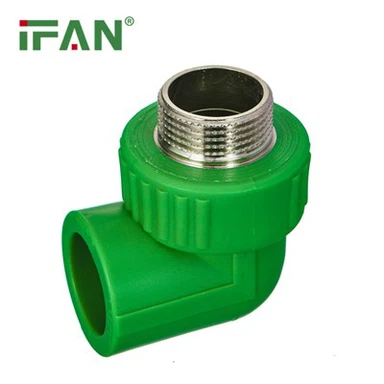
PPR fittings are made from polypropylene random copolymer, a type of plastic known for its exceptional resistance to heat and chemicals. PPR fittings are commonly used in hot and cold water plumbing systems, irrigation, and even industrial piping due to their strength, durability, and high resistance to corrosion.
Key Features of PPR Fittings:
- Heat Resistance: PPR fittings can withstand temperatures up to 95°C (203°F), making them ideal for hot water systems.
- Corrosion-Resistant: PPR is resistant to rust, corrosion, and mineral buildup, which is a common problem with metal pipes.
- Durability: PPR fittings are durable and can last for decades without significant wear or degradation.
- Non-toxic: PPR is considered a safe, non-toxic material, which is ideal for drinking water systems.
What Are PVC Fittings?
PVC fittings are made from polyvinyl chloride, a type of plastic that is widely used in plumbing, drainage, and electrical systems. PVC is affordable, lightweight, and easy to install, making it a go-to choice for both residential and commercial plumbing applications.
Key Features of PVC Fittings:
- Cost-Effective: PVC fittings are cheaper than PPR fittings, making them a popular choice for budget-conscious projects.
- Chemical Resistance: PVC is resistant to many chemicals, making it suitable for a wide range of applications, including drainage and irrigation.
- Lightweight: PVC fittings are much lighter than metal alternatives, making them easier to handle and install.
- Easy Installation: PVC fittings are typically joined using solvent cement, making installation relatively simple and quick.
PPR Fittings vs. PVC Fittings: A Detailed Comparison
1. Heat Resistance
PPR fittings are known for their excellent heat resistance. They can handle high temperatures up to 95°C (203°F) without deforming or losing strength, which makes them ideal for hot water supply systems in both residential and commercial settings. On the other hand, PVC fittings have a lower heat resistance, generally handling temperatures only up to 60°C (140°F). This makes PVC fittings unsuitable for hot water applications, as they can warp or degrade over time if exposed to excessive heat.
Verdict: PPR fittings have a clear advantage in applications that involve hot water or high-temperature environments.
2. Durability and Longevity
Both *PR fittings and PVC fittings are durable materials, but they differ in how they age. **PPR fittings** are highly resistant to wear and tear, chemicals, and environmental factors such as UV rays. This makes them an excellent long-term investment for plumbing systems that need to last for decades. PPR systems are also more resistant to freezing temperatures than PVC, which is important in regions with colder climates.
PVC fittings, while durable, are more prone to damage from UV rays. Prolonged exposure to sunlight can cause the material to become brittle and crack. Additionally, PVC fittings may become brittle in freezing conditions, which can lead to pipe bursts if not properly insulated.
Verdict: PPR fittings offer superior durability and are better suited for long-term use, especially in demanding environments.
3. Corrosion and Chemical Resistance
One of the standout features of PPR fittings is their ability to resist corrosion. Unlike metal pipes, **PPR fittings** do not rust or degrade over time, even when exposed to harsh chemicals or water with high mineral content. This makes **PPR fittings** ideal for potable water systems and areas with high salinity or chemical exposure.
PVC fittings also offer excellent chemical resistance, making them suitable for a variety of applications. However, PVC is more susceptible to physical damage from sharp objects, high impact, or temperature changes, which can compromise its resistance to chemicals.
Verdict: Both PPR fittings and PVC fittings are resistant to many chemicals, but **PPR fittings** have better overall corrosion resistance and longevity in chemical environments.
4. Cost and Installation
When it comes to cost, PVC fittings are significantly cheaper than PPR fittings, making them an attractive option for low-budget projects. PVC fittings are widely available and easy to install with solvent cement, making them ideal for DIY installations and quick plumbing repairs.
PPR fittings, while more expensive, offer a higher-quality, longer-lasting solution, especially in high-temperature applications. Installation requires specialized fusion welding equipment to join the pipes and fittings, which may make it more expensive and time-consuming compared to PVC fittings. However, the long-term benefits of PPR fittings often justify the initial higher cost.
Verdict PVC fittings are more cost-effective and easier to install, while PPR fitting are a higher-end option suitable for specialized applications.
5. Environmental Impact
Both PPR fittings and PVC fittings are made from plastics, which raises environmental concerns regarding disposal. However, **PPR fittings** are generally considered more environmentally friendly. PPR fittings are recyclable and do not release toxic chemicals when burned, making them a better option for sustainable plumbing systems.
PVC fittings, on the other hand, contain chlorine and may release harmful chemicals when burned or disposed of improperly. This makes **PVC fittings** less eco-friendly in the long term.
Verdict: PPR fitting are more environmentally friendly compared to PVC fittings.

Conclusion
The choice between PPR fittings and PVC fittings ultimately depends on the specific needs of your plumbing system. PPR fittings offer superior heat resistance, durability, and corrosion resistance, making them ideal for hot water systems, industrial applications, and environments with harsh conditions. On the other hand, PVC fittings are more affordable, easier to install, and suitable for cold water systems, drainage, and general plumbing applications.
For systems where long-term performance and heat resistance are crucial, PPR fittings are the clear winner. However, if you're working on a budget or a project with cold water or drainage needs, PVC fittings may be the better choice.
FAQs
1. What is the main difference between PPR and PVC fittings?
The main difference is that PPR fittings are designed to withstand high temperatures and offer greater durability, while **PVC fittings** are more cost-effective, lightweight, and easier to install but are not suitable for hot water applications.
2. Can PVC fittings be used for hot water systems?
PVC fittings are generally not recommended for hot water systems because they can degrade when exposed to temperatures above 60°C (140°F).
3. Are PPR fittings more durable than PVC fittings?
Yes, PPR fittings are more durable, with better resistance to heat, chemicals, and corrosion compared to PVC fittings.
4. Can I install PPR fittings myself?
Installing PPR fittings requires specialized fusion welding equipment, which is typically done by professionals. DIY installation is more feasible with PVC fittings, which use solvent cement.
5. Which is better for drinking water systems, PPR or PVC fittings?
PPR fittings are considered safer for drinking water systems because they are non-toxic, resistant to corrosion, and do not leach harmful substances into the water.