
Leak Prevention Benefits Of HDPE Fittings
Oct 29, 2026
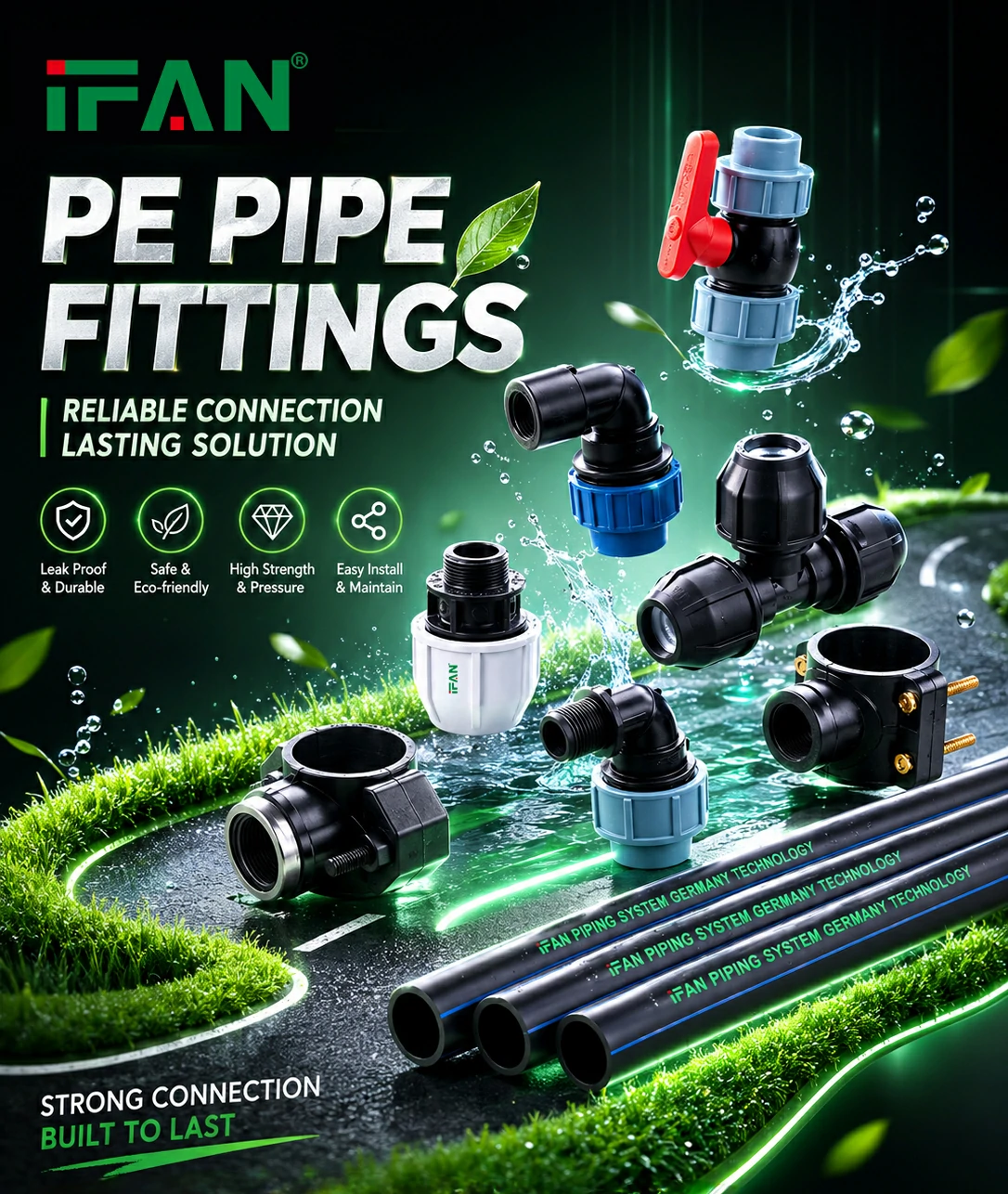
Introduction: Keeping Pipeline Systems Watertight
Leaks in a pipeline can create problems far beyond the immediate loss of water. Escaping fluid may damage surrounding structures, erode soil, interrupt industrial operations, and increase maintenance expenses. In underground networks, even a small leak can remain unnoticed until it causes a more serious issue. Selecting reliable connection components is therefore essential for maintaining an effective piping system. High-density polyethylene (HDPE) fittings offer several features that help reduce leakage risks when they are correctly selected and installed.
HDPE is widely used in water distribution, irrigation, wastewater management, and suitable industrial applications. Its flexibility, resistance to corrosion, and compatibility with established joining methods make it useful for creating dependable pipeline connections. However, leak prevention depends on the entire installation, not simply the material. Proper joint preparation, correct operating pressure, and appropriate quality checks all contribute to a system that can deliver reliable performance over time.
1. Fusion Joints Create Continuous Connections
One important advantage of HDPE piping systems is the availability of heat-fusion joining methods. Butt fusion and electrofusion can join compatible components by heating their designated surfaces and allowing the material to form a unified joint under controlled conditions.
When the correct procedure is followed, a properly made fusion joint can provide a strong, continuous connection with no conventional gasketed interface at the fusion surface. This can reduce potential leakage points compared with certain systems that rely on multiple separate sealing components.
Successful fusion requires suitable equipment, clean joining surfaces, correct alignment, and controlled heating and cooling. Incorrect temperatures, contamination, or movement during the joining process can weaken the joint. Trained installers and appropriate inspection procedures are therefore essential to achieving the intended leak-resistant performance.
2. Flexibility Helps Manage Pipeline Movement
Pipelines may experience movement caused by soil settlement, changing temperatures, or minor ground displacement. Rigid connections can be vulnerable when these forces create excessive stress at individual joints.
HDPE has a degree of flexibility that allows a properly designed pipeline to accommodate certain movements. This characteristic can help distribute stress along the pipe rather than concentrating all movement at a single connection. In suitable underground installations, that flexibility may reduce the likelihood of damage associated with limited ground movement.
Nevertheless, HDPE cannot accommodate every condition without risk. Severe settlement, excessive bending, poor support, or external loading can still damage a pipeline. Engineers should evaluate soil characteristics, installation depth, and expected operating conditions before choosing the pipe and fitting arrangement.
3. Corrosion Resistance Protects Connection Integrity
Corrosion can gradually weaken metal fittings, particularly when they are exposed to moisture, dissolved salts, or aggressive soil conditions. As corrosion progresses, material loss may eventually compromise the pressure boundary and create a leakage risk.
HDPE does not rust like iron or steel, making it useful in many wet and underground environments. Its resistance to numerous chemicals can also support reliable performance in appropriate wastewater and industrial applications.
This resistance helps reduce leakage risks associated with corrosion-related deterioration. However, chemical compatibility must be checked carefully because certain substances, including some solvents and hydrocarbons, can affect polyethylene. Selecting a suitable material grade and operating within its specified temperature and pressure limits remain necessary.
4. Proper Sizing Reduces Stress on Fittings
A fitting may be well manufactured and correctly joined yet still experience problems if the pipeline is poorly designed. Excessive operating pressure, unsuitable pipe dimensions, and abrupt changes in flow can place unnecessary demands on connections.
Engineers should calculate the required flow rate and pressure before choosing HDPE pipes and fittings. Components must be rated for the intended service conditions, including any pressure variations expected during operation.
Correct sizing helps maintain suitable hydraulic performance and prevents the system from operating beyond its design limits. Pressure control, appropriate supports, and correctly designed transitions also help protect joints from avoidable mechanical stress.
5. Inspection and Testing Identify Weak Connections
Leak prevention does not end when installation is complete. Before a pipeline enters service, installers should examine joints and perform the inspections and pressure tests required by the applicable specifications and regulations.
These checks can reveal problems caused by poor fusion, damaged components, or incorrect assembly. Any joint that fails inspection or testing should be addressed using an approved repair procedure before the pipeline is placed into operation.
For existing systems, monitoring unusual pressure changes, unexplained water loss, and unexpected ground moisture can help identify potential leakage. Maintaining installation records also assists future technicians in locating joints and understanding which materials and joining methods were used.
Conclusion: A Complete Approach to Leak Prevention
HDPE fittings can help prevent pipeline leaks through reliable fusion connections, flexibility under suitable conditions, and resistance to corrosion. These characteristics make them valuable in many water, wastewater, irrigation, and industrial piping systems.
However, no fitting material can guarantee a leak-free network by itself. Proper engineering, compatible components, skilled installation, and systematic testing are equally important. By combining the advantages of HDPE with sound installation and maintenance practices, project teams can reduce avoidable leakage, protect surrounding infrastructure, and improve the long-term reliability of pipeline systems.