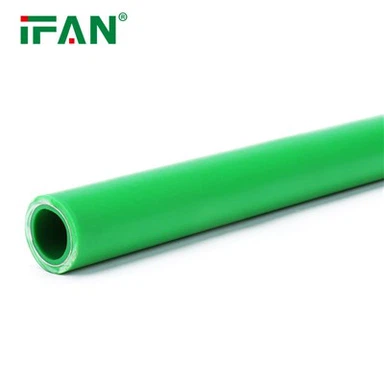

PEX Compression Fittings Simplify Fast Plumbing Installation
Aug 27, 2026

A Practical Approach to Modern Plumbing
Plumbing installation does not always need to involve complicated tools, lengthy preparation, or heat-based joining methods. PEX compression fittings offer a practical alternative for connecting PEX tubing in many water distribution applications. Their mechanical design allows installers to create connections by assembling the fitting, compression ring, and nut around the tubing. This approach can save time, especially during repair work or projects where access to a soldering torch is inconvenient. More importantly, the installation process is relatively easy to understand. Instead of focusing on specialized joining techniques, the installer can concentrate on accurate measurements, clean cuts, correct component placement, and proper tightening. When these basic steps are handled carefully, compression fittings can help make plumbing work more efficient while maintaining a dependable connection.
Why Installation Speed Matters
Time is an important factor in almost every plumbing project. A residential renovation may involve numerous connections, while a commercial installation can require hundreds of individual joints. Traditional connection methods may require additional preparation, equipment, or waiting time before the system can be tested. Compression fittings reduce some of these obstacles because they use mechanical pressure rather than heat to secure the tubing. This can be particularly useful in occupied buildings, confined spaces, or areas where open flames are undesirable. Faster installation does not mean that quality should be sacrificed, however. The real advantage comes from reducing unnecessary steps while still following a consistent installation procedure. When installers develop a reliable routine, they can work efficiently without treating speed as a substitute for careful workmanship.
Preparing the PEX Tubing
The quality of the final connection starts before the fitting is installed. PEX tubing should be measured carefully and cut with a suitable PEX cutter. The resulting end should be straight and clean, without excessive deformation or visible damage. A poor cut can interfere with the fitting's sealing surfaces and may make it difficult for the tubing to sit in the correct position. After cutting, the installer should examine the tube and make sure its interior is free from dirt or foreign material. The fitting components should also be checked before assembly. A damaged compression ring or nut should not be used simply because it is already available. Spending a short amount of time preparing the materials can prevent much more time-consuming troubleshooting later.
Understanding the Compression Connection
A compression fitting works through controlled mechanical force. The tubing is placed over the appropriate portion of the fitting, while the compression ring and nut are positioned to secure the joint. As the nut is tightened, the ring is compressed around the tubing and helps hold it firmly against the fitting. This creates a connection without requiring solder, adhesive, or specialized heat equipment. The important point is that each component has a specific role and must be installed in the correct sequence. An installer should not improvise by substituting unrelated rings, nuts, or fittings. Matching the fitting to the correct tubing size is equally important. A connection that appears tight from the outside may still perform poorly if the components are incompatible.
Proper Tightening Requires Control
One common mistake during mechanical fitting installation is assuming that tighter always means better. Excessive force can damage components or deform the tubing, while insufficient tightening may leave the joint vulnerable to leakage. The best approach is to follow the manufacturer's instructions for the particular fitting. Installers should use appropriate tools and avoid applying unnecessary force after the fitting has reached the recommended position. If the design specifies a particular tightening method, that guidance should take priority over general rules. The goal is not to make the connection as tight as physically possible; it is to create the amount of compression required for a reliable seal. This distinction is simple but important, especially for people who are accustomed to tightening plumbing connections by feel.
Reducing Problems During Installation
A well-organized installation can make compression fittings even more convenient. Before beginning, installers can identify connection points, measure tubing runs, and prepare the necessary fittings and tools. This reduces interruptions and makes it easier to maintain a consistent workflow. Tubing should also be routed without sharp bends or unnecessary tension near the connection. Even a correctly assembled fitting can experience problems if the pipe is constantly pulling against it. Adequate support helps keep the connection stable and reduces mechanical stress. During renovation work, keeping fittings accessible can also simplify future inspection or replacement. Thinking about these details before the system is completed can save considerable effort when maintenance is eventually required.
Inspection and Pressure Testing
Fast installation should always be followed by verification. Once the fittings have been assembled, the plumbing system should be inspected for obvious problems such as misaligned components, damaged tubing, or loose connections. A suitable pressure test can then be performed according to the applicable plumbing requirements and the fitting manufacturer's recommendations. Testing is valuable because a connection may appear completely normal while still having a small leak under pressure. If a problem is discovered, the system can be corrected before the piping is enclosed behind walls, ceilings, or cabinets. This step adds some time to the project, but it protects against much larger repair costs later. In practical terms, a few minutes spent checking the work can be far more valuable than rushing directly to completion.
Choosing the Right Fittings
Not every compression fitting is suitable for every plumbing situation. Selection should consider tubing diameter, system requirements, operating temperature, pressure, and the intended type of water service. Products designed for potable water applications should meet the relevant standards and regulations. Installers should also confirm that the fitting is specifically approved for the type and size of PEX tubing being used. Local plumbing codes may impose additional requirements depending on the building and installation location. Rather than choosing a fitting solely because it looks similar to another product, it is better to verify its specifications. Correct product selection helps ensure that the time saved during installation does not result in future compatibility or performance problems.
Efficiency Without Compromising Quality
PEX compression fittings can simplify plumbing installation because they combine a straightforward mechanical design with a relatively quick assembly process. They are especially useful when an installer wants to avoid heat-based joining methods or reduce the number of specialized tools required. Nevertheless, their convenience depends on proper preparation and installation. Clean tubing, compatible components, accurate alignment, controlled tightening, adequate pipe support, and thorough testing all contribute to dependable performance. The most efficient plumbing work is not simply the work completed fastest. It is work completed efficiently the first time, with fewer errors and fewer return visits. Used thoughtfully, PEX compression fittings can help installers achieve that balance, making modern plumbing projects easier to organize, quicker to assemble, and more manageable to maintain.