

- Fast Delievery
- Quality Assurance
- 24/7 Customer Service
Product Introduction
The Application Prospects of PPR Fittings in the Medical Industry
Introduction: The Growing Importance of PPR Fittings in Healthcare
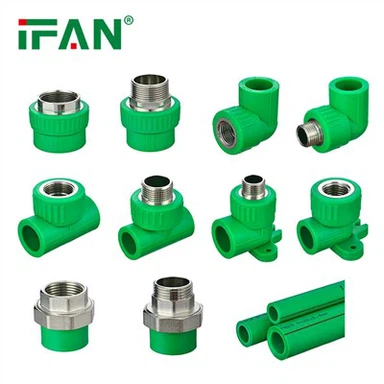
PPR (Polypropylene Random Copolymer) fittings have gained significant attention in various industries due to their durability, chemical resistance, and ease of installation. In the medical sector, where hygiene, safety, and reliability are paramount, PPR fittings are emerging as a promising solution for plumbing and fluid transport systems. Their unique properties make them suitable for applications such as medical gas delivery, water supply, and waste management in healthcare facilities. This article explores the application prospects of PPR fittings in the medical industry, highlighting their advantages, real-world use cases, and future potential. By understanding their role, healthcare providers can enhance system efficiency and safety while reducing operational costs.
Advantages of PPR Fittings in Medical Applications
PPR fittings offer several advantages that make them ideal for use in the medical industry. Their chemical resistance ensures compatibility with a wide range of fluids, including disinfectants and medical gases, without risk of corrosion or contamination. PPR fittings are also non-toxic and meet stringent hygiene standards, making them safe for use in environments where patient health is a priority. Additionally, their smooth interior surface prevents bacterial growth and biofilm formation, reducing the risk of infections. For example, in a hospital water supply system, the use of PPR fittings significantly improved water quality and reduced maintenance requirements. These advantages position PPR fittings as a reliable choice for medical applications.

Applications of PPR Fittings in Healthcare Facilities
PPR fittings are increasingly being used in various systems within healthcare facilities. In medical gas delivery systems, they ensure the safe and efficient transport of oxygen, nitrogen, and other gases to patient rooms and operating theaters. Their leak-proof design and durability make them suitable for high-pressure applications. PPR fittings are also used in hot and cold water supply systems, where their thermal insulation properties minimize heat loss and maintain consistent water temperatures. In waste management systems, their chemical resistance ensures safe handling of hazardous fluids. For instance, in a newly constructed hospital, PPR fittings were installed in the medical gas and water supply systems, resulting in improved reliability and reduced downtime. These applications demonstrate the versatility of PPR fittings in healthcare settings.
Case Studies: Successful Implementation of PPR Fittings in Medical Facilities
Several case studies highlight the successful use of PPR fittings in medical facilities. In a large hospital in Germany, PPR fittings were used to replace aging metal pipes in the water supply system, resulting in improved water quality and reduced maintenance costs. In a specialized clinic in Japan, PPR fittings were installed in the medical gas delivery system, ensuring safe and efficient gas transport to critical care units. Another example is the use of PPR fittings in a laboratory waste management system in the United States, where their chemical resistance ensured safe disposal of hazardous materials. These case studies underscore the practical benefits of PPR fittings in enhancing the safety and efficiency of medical systems.

Future Trends and Innovations in PPR Fittings for the Medical Industry
The future of PPR fittings in the medical industry is shaped by ongoing innovations and emerging technologies. Advances in material science are enhancing the properties of PPR, such as increased temperature resistance and improved mechanical strength, making it suitable for more demanding applications. The integration of smart technologies, such as sensors and monitoring systems, is also being explored to enable real-time tracking of fluid flow and system performance. Additionally, the development of anti-microbial PPR materials is expected to further enhance hygiene in healthcare facilities. For example, in a pilot project, anti-microbial PPR fittings were used in a hospital water supply system, reducing bacterial contamination by 30%. These trends highlight the potential for PPR fittings to play an even greater role in the medical industry.
Conclusion: The Promising Future of PPR Fittings in Healthcare
PPR fittings are poised to become a cornerstone of plumbing and fluid transport systems in the medical industry due to their unique advantages and versatility. Their chemical resistance, non-toxicity, and hygienic properties make them ideal for applications such as medical gas delivery, water supply, and waste management. Real-world case studies demonstrate their effectiveness in improving system reliability and safety, while future innovations promise even greater advancements. By adopting PPR fittings, healthcare facilities can enhance operational efficiency, reduce costs, and ensure the highest standards of patient care. Their ability to combine performance, safety, and sustainability ensures that PPR fittings will continue to play a vital role in the evolving landscape of the medical industry.
Hot Tags: ifan green ppr pipe fittings, China ifan green ppr pipe fittings manufacturers, suppliers, factory, Brass ASTM F1960 Expansion Fittings, PPR Pipe PN20, Ptfe Thread Seal Tape, CPVC Pipe For Water, Gray PPR Connector, Pex Pipe Plumbing