

- Fast Delievery
- Quality Assurance
- 24/7 Customer Service
Product Introduction
PPR Fittings vs. Galvanized Steel Pipes: A Comprehensive Comparison
Introduction to PPR Fittings and Galvanized Steel Pipes
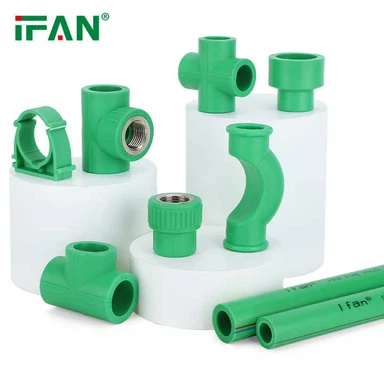
PPR (Polypropylene Random Copolymer) fittings and galvanized steel pipes are two widely used materials in plumbing and water supply systems. PPR fittings are made from a type of plastic known for its durability, corrosion resistance, and ease of installation. They are commonly used in residential and commercial plumbing due to their lightweight nature and thermal insulation properties.
On the other hand, galvanized steel pipes are metal pipes coated with a layer of zinc to prevent rust and corrosion. They have been used for decades in water supply, gas distribution, and industrial applications due to their strength and longevity. However, they are heavier, more challenging to install, and prone to internal corrosion over time.
This article provides a detailed comparison between PPR fittings and galvanized steel pipes, covering aspects such as material properties, installation, cost, durability, and environmental impact.
Material Properties and Performance
PPR Fittings:
Corrosion Resistance: PPR is highly resistant to chemical and electrochemical corrosion, making it ideal for both cold and hot water systems.
Thermal Insulation: PPR has low thermal conductivity, reducing heat loss in hot water pipes.
Smooth Interior: The inner surface is smooth, minimizing friction and preventing scale buildup.
Flexibility: PPR can expand slightly under temperature changes, reducing the risk of bursting.
Galvanized Steel Pipes:
Strength & Durability: Steel pipes are robust and can withstand high pressure, making them suitable for industrial applications.
Corrosion Protection: The zinc coating provides initial protection, but over time, internal rust can develop, leading to reduced water flow.
Thermal Conductivity: Steel conducts heat quickly, which may lead to energy loss in hot water systems.
Weight & Rigidity: Steel pipes are heavy and require strong support structures.

Installation and Maintenance
PPR Fittings:
Ease of Installation: PPR pipes are lightweight and can be easily cut and joined using heat fusion, ensuring leak-proof connections.
No Threading or Welding Required: Unlike steel pipes, PPR does not require complex tools or welding, reducing labor costs.
Low Maintenance: Since PPR does not corrode or accumulate deposits, it requires minimal maintenance.
Galvanized Steel Pipes:
Complex Installation: Steel pipes require threading, welding, or mechanical couplings, increasing installation time and cost.
Susceptible to Leaks: Over time, joints may loosen due to thermal expansion, leading to leaks.
Maintenance Challenges: Rust and mineral buildup inside the pipes may require periodic cleaning or replacement.
Cost and Longevity
PPR Fittings:
Lower Initial Cost: PPR materials and installation are generally cheaper than galvanized steel.
Long Lifespan (50+ years): Resistant to corrosion and chemical reactions, PPR pipes can last decades without degradation.
Energy Efficiency: Reduced heat loss in hot water systems can lower energy bills.
Galvanized Steel Pipes:
Higher Initial Cost: Steel pipes and installation labor are more expensive due to material and handling requirements.
Limited Lifespan (20-40 years): Internal rust and scale buildup can shorten their usable life.
Potential Replacement Costs: Frequent maintenance and eventual replacement add to long-term expenses.

Environmental and Health Considerations
PPR Fittings:
Eco-Friendly: PPR is recyclable and does not release harmful substances into water.
Non-Toxic: Safe for drinking water as it does not leach chemicals like lead or zinc.
Energy-Efficient Production: Manufacturing PPR consumes less energy compared to steel.
Galvanized Steel Pipes:
Zinc Contamination Risk: Over time, zinc coating can degrade, potentially releasing zinc into water, which may affect taste and safety.
Higher Carbon Footprint: Steel production is energy-intensive and contributes to higher CO₂ emissions.
Recycling Challenges: While steel is recyclable, the galvanization process adds complexity.
Conclusion
PPR fittings and galvanized steel pipes each have distinct advantages and disadvantages. PPR is lightweight, corrosion-resistant, cost-effective, and environmentally friendly, making it ideal for modern plumbing systems. Galvanized steel pipes, while strong and durable, are heavier, more expensive to install, and prone to corrosion over time.
For most residential and commercial applications, PPR fittings are the superior choice due to their longevity, ease of installation, and low maintenance. However, in high-pressure industrial environments, galvanized steel may still be preferred. The decision ultimately depends on project requirements, budget, and long-term maintenance considerations.
Click here to watch more videos
Click here view more our factory information!
Click here to contact us!
Hot Tags: ifan ppr fittings, China ifan ppr fittings manufacturers, suppliers, factory, Compression Fitting, Brass Elbow PEX Compression Fitting, HDPE Compression Fittings, Brass Non Return Valve, Pvc Elbow, 1 Inch Butterfly Valve