


UPVC Pipe Provides Reliable Water Supply
1.CPVC Tubing is equally easy to install in confined or restricted areas.
2.Compared to other plastics, CPVC provides superior tensile strength and requires fewer hangers and brackets.
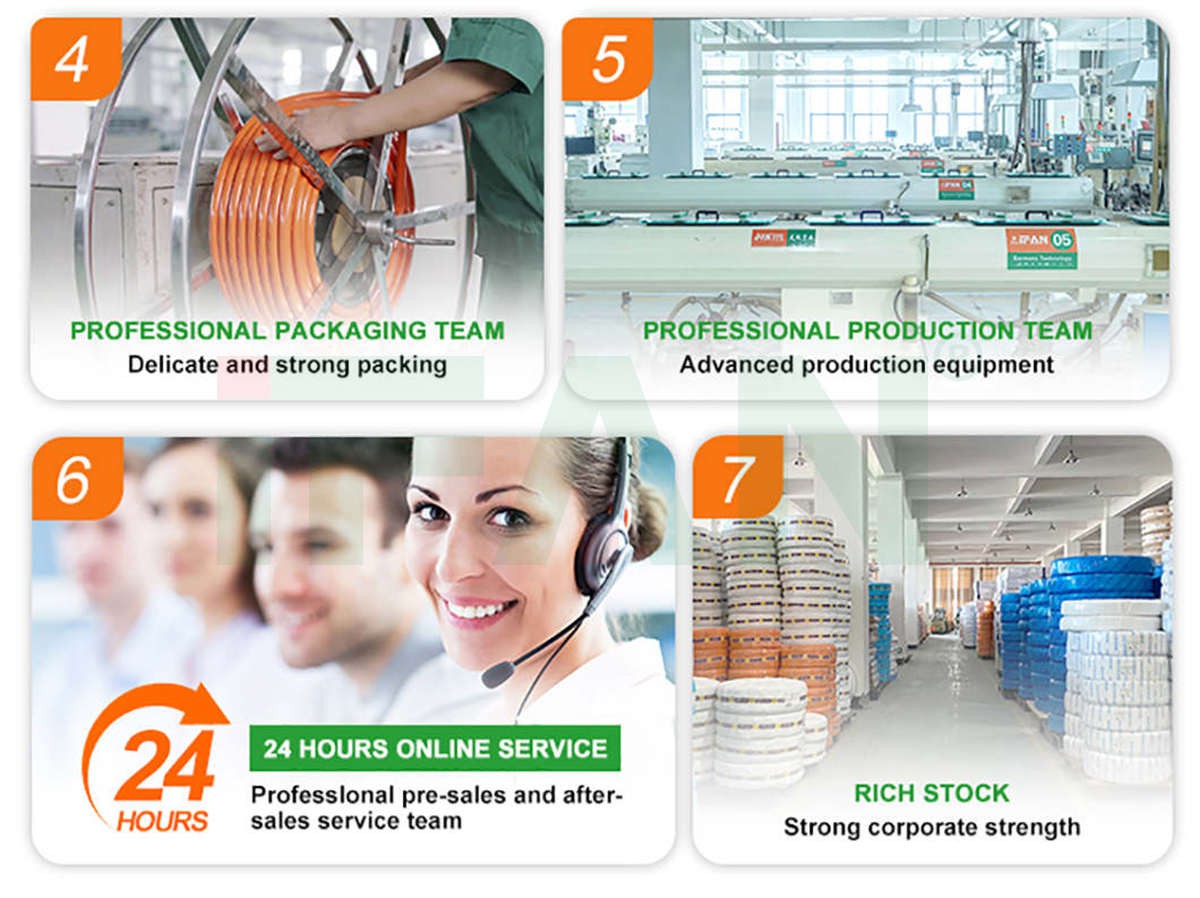
- Fast Delievery
- Quality Assurance
- 24/7 Customer Service
Product Introduction
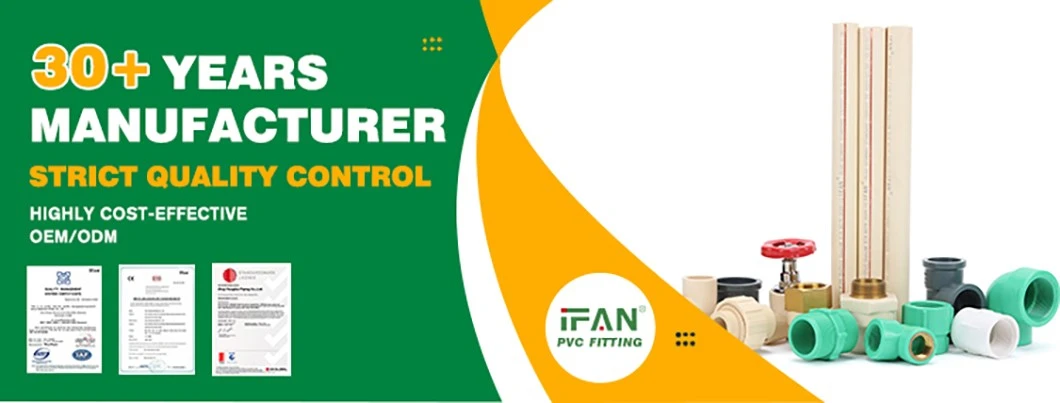
| Product Name | IFAN CPVC Pipe |
| Size | 1/2"-2" Or Customized |
| Color |
White,Beige Or Customized |
| Package | IFAN standard packaging |
| Sample | Sample Free |
| Contact | Click HERE to contact us now! |
Welcome to contact IFAN, we are online 24 hours a day to answer your questions!

Understanding the Role of UPVC Pipes in Water Distribution
A reliable water supply system requires careful coordination between water sources, distribution pipelines, storage facilities, and individual consumption points. Whether supplying drinking water to residential buildings, commercial properties, or industrial facilities, every part of the network must maintain suitable flow conditions and meet established water quality requirements. UPVC (unplasticized polyvinyl chloride) pipes are widely used in water distribution systems because their physical characteristics and available product specifications are suitable for various pressurized water transportation applications.
Unlike conventional flexible plastic materials, UPVC has a relatively rigid structure that allows manufacturers to produce pipes with defined dimensions and pressure classifications. These specifications help engineers select appropriate products for different supply requirements. From underground distribution lines to building water connections, UPVC piping can be incorporated into systems designed to transport water from a main supply point to designated outlets.
Maintaining Consistent Water Pressure
Water pressure is an essential factor in determining how effectively a distribution system operates. Residential and commercial buildings require sufficient pressure to deliver water to different floors, fixtures, and equipment. An incorrectly designed pipeline may experience excessive pressure losses, resulting in inconsistent water delivery.
UPVC pipes are manufactured in different diameters and pressure classes to accommodate specific operating conditions. Selecting the correct pipe dimensions helps control water velocity and friction losses throughout the network. Engineers consider factors such as pipeline length, elevation differences, expected consumption, and the number of connected outlets when determining suitable specifications.
The pressure rating of a UPVC pipe indicates the conditions under which it is designed to operate. Therefore, the selected product must match the expected working pressure of the complete system. Appropriate pressure selection is particularly important in buildings with multiple floors or distribution networks containing several connected branches.
Maintaining Water Quality During Transportation
Water quality is a central consideration in any drinking water distribution system. The material used inside the pipeline should be suitable for contact with potable water and should comply with relevant health and safety requirements.
UPVC pipes manufactured and certified for drinking water applications are designed to meet specified requirements for water contact. Their suitability depends on the composition of the raw materials, manufacturing controls, and applicable product certifications.
The internal condition of the pipeline also requires attention during transportation and installation. Dust, soil, construction debris, and other foreign materials should be prevented from entering open pipe sections. Before commissioning, the system may require flushing and disinfection according to local drinking water regulations.
It is important to distinguish potable water-approved UPVC products from general-purpose PVC pipes. Not every PVC formulation or pipe classification is automatically suitable for drinking water transportation.
Preventing Leakage Across Water Supply Networks
Leakage can interfere with water distribution and create difficulties in maintaining stable system pressure. In many cases, leakage develops at connection points rather than along the straight sections of a pipe. For this reason, joint design and installation accuracy are important parts of water supply engineering.
UPVC piping systems commonly use solvent cement joints, rubber ring connections, or other approved joining arrangements depending on the product design. Each method requires specific preparation procedures.
For solvent cement connections, the pipe end and fitting socket must be properly cleaned and prepared before the joining compound is applied. The components should be assembled to the specified insertion depth and allowed to cure for the required period.
Rubber ring connections rely on controlled compression between the sealing ring and the connecting surfaces. Correct gasket positioning, suitable lubrication, and proper alignment are necessary to establish the intended seal.
Applications in Residential Water Supply
Residential properties require water distribution networks that connect the main supply line with kitchens, bathrooms, laundry rooms, and other water-consuming areas. UPVC pressure pipes may be used in suitable residential applications where local plumbing regulations permit their use.
The main supply line generally carries water toward different sections of the building, while smaller branch pipes distribute it to individual fixtures. The layout must account for the expected water demand and the available installation space.
In multi-story buildings, engineers also consider elevation differences because water pressure decreases as water moves upward. Pipe diameter, pressure classification, pumps, and storage arrangements may all influence the final distribution design.
UPVC pipe specifications should be selected according to the actual operating requirements rather than simply choosing products based on nominal diameter.
Application in Agricultural and Outdoor Water Distribution
Agricultural irrigation systems require pipelines capable of transporting water from storage tanks, wells, or other supply sources to designated irrigation areas. UPVC pressure pipes can be used in suitable aboveground and underground distribution arrangements, depending on product specifications and environmental conditions.
In these systems, the pipeline layout may include main supply lines, branch connections, control valves, and outlets serving different irrigation zones. Proper pipe sizing helps maintain the required discharge across the network.
Outdoor installations should also consider sunlight exposure, temperature variations, ground movement, and mechanical loading. Appropriate product selection and installation methods help maintain the specified operating conditions throughout the distribution route.
Inspection and Pressure Testing
Before a UPVC water supply system enters normal operation, the completed pipeline should be inspected and tested. Inspection typically includes checking pipe dimensions, joint assembly, fitting compatibility, support arrangements, and visible signs of damage.
Hydrostatic pressure testing is commonly used to assess the integrity of pressurized water pipelines. The system is filled with water, air is removed according to the testing procedure, and pressure is gradually increased to the specified test level.
During testing, pressure readings are monitored and accessible connections are examined for leakage. The test pressure, duration, and acceptance criteria must follow the relevant standards and project requirements.


Hot Tags: upvc pipe provides reliable water supply, China upvc pipe provides reliable water supply manufacturers, suppliers, factory, Plastic PVC Pipes, PVC Water Pipes


