

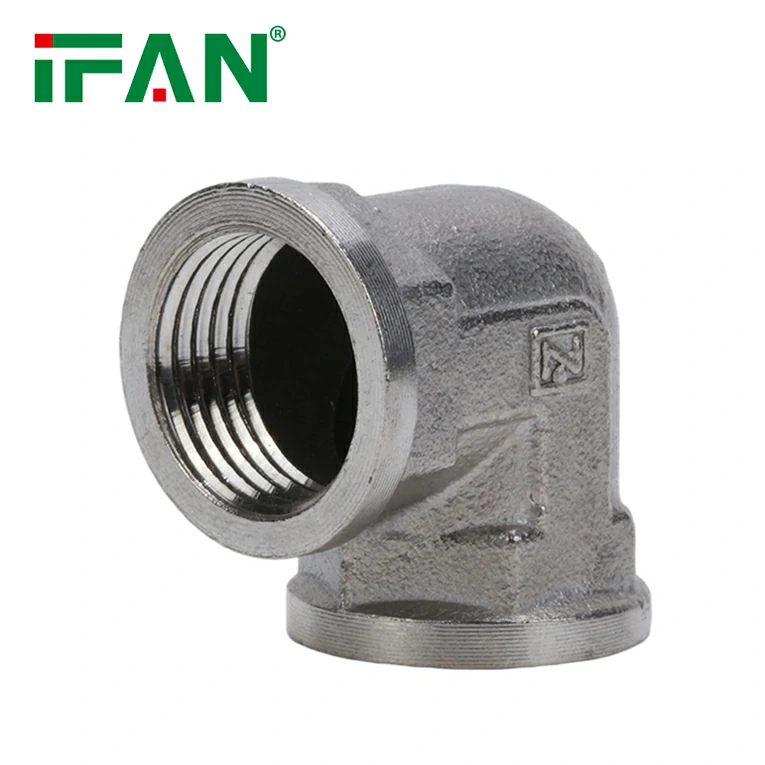
Stainless Steel Pipe Fittings Improve Flow
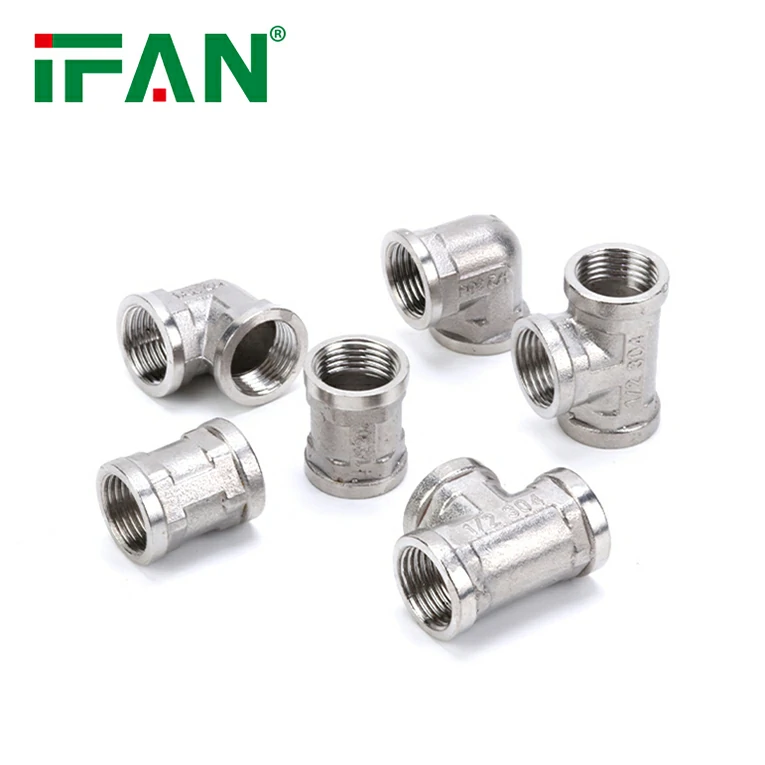
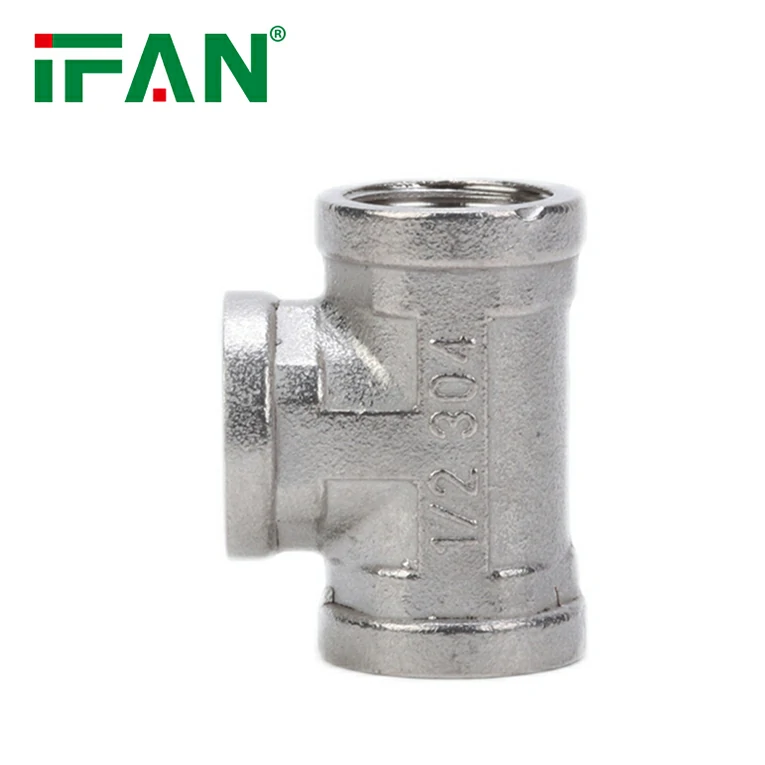
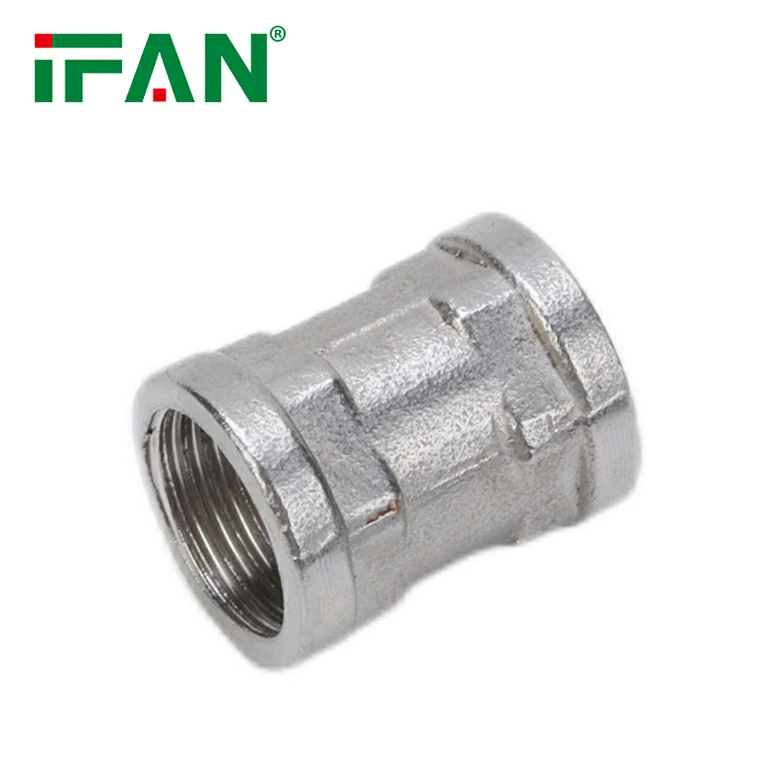
Type:Stainless steel pipe fittings
Brand:IFAN
Connecting method:Thread
Applications:Water Systems
Color:Sliver
- Fast Delievery
- Quality Assurance
- 24/7 Customer Service
Product Introduction


| Product Name | IFAN Brass Thread Fittings |
| Size | 1/2"-2" Or Customized |
| Color |
Yellow/White Or Customized |
| Package | IFAN standard packaging |
| Features | Durable |
| Sample | Sample Free |
| Contact | Click HERE to contact us now! |
Welcome to contact IFAN, we are online 24 hours a day to answer your questions!
Introduction
Efficient flow is a fundamental requirement in any piping system. Whether transporting water, chemicals, gases, steam, or industrial fluids, the movement of media through pipelines directly influences system performance. While pipes are responsible for carrying the flow, fittings play an equally important role by directing, dividing, combining, and controlling the path of the fluid. The design and material characteristics of stainless steel pipe fittings contribute significantly to maintaining smooth and consistent flow conditions. Through precise manufacturing and optimized internal geometry, these fittings help ensure that fluids move through the system with minimal disruption.
Smooth Internal Surfaces Promote Fluid Movement
The internal surface condition of a pipe fitting has a direct effect on flow behavior. Rough surfaces create friction between the fluid and the fitting wall, increasing resistance and disturbing the movement of the medium. As fluid encounters these irregularities, velocity can become uneven, resulting in less efficient flow patterns.
Stainless steel pipe fittings are known for their smooth interior finishes. The refined surface reduces contact resistance between the flowing material and the fitting wall. As a result, liquids and gases can travel more freely through the system. Reduced surface friction helps maintain steady movement and supports consistent flow rates across different sections of the pipeline.
Optimized Flow Paths Reduce Turbulence
Whenever fluid changes direction or passes through a connection point, turbulence may occur. Excessive turbulence can disrupt flow patterns and create localized pressure variations within the system. The geometry of the fitting therefore plays an important role in controlling how fluid behaves during these transitions.
Stainless steel fittings are often designed with carefully engineered internal contours that guide fluid through bends, branches, and junctions. Smooth transitions between pipe sections help reduce abrupt directional changes that may cause flow disturbances. By minimizing turbulence, the fittings assist in maintaining a more controlled and predictable flow profile throughout the network.
Consistent Internal Dimensions Support Uniform Flow
Uniform flow depends on maintaining consistent passageways throughout the piping system. Variations in internal diameter can create bottlenecks, velocity changes, and uneven distribution of fluid. Poor dimensional accuracy may interfere with flow characteristics and affect system operation.
Stainless steel pipe fittings are manufactured with high dimensional precision. The internal pathways are designed to align closely with connecting pipe sections, creating a continuous flow channel. This consistency allows fluid to move through fittings without encountering unnecessary restrictions. Maintaining uniform internal dimensions contributes to smoother flow conditions and more stable system performance.
Efficient Direction Changes in Piping Networks
Most piping systems require changes in direction to accommodate equipment layouts, structural constraints, and process requirements. Elbows and bends are commonly used to redirect flow, but poorly designed fittings can introduce unnecessary disturbances.
Stainless steel elbows and directional fittings are engineered to guide fluid through turns while maintaining orderly flow movement. Instead of forcing abrupt changes, properly designed fittings create gradual transitions that help preserve flow momentum. This controlled redirection reduces flow separation and allows the medium to continue moving efficiently through the system. Directional control is especially important in complex networks containing multiple turns and branch connections.
Balanced Distribution Through Branch Connections
Many industrial systems require fluid to be distributed from a main pipeline into multiple branches. Tees and other branching fittings are responsible for dividing flow while maintaining system balance. Uneven flow distribution can lead to inconsistent performance in downstream equipment.
Stainless steel branch fittings are designed to facilitate smooth flow division at junction points. Their internal configuration helps guide the fluid into multiple pathways while reducing abrupt disturbances. By supporting balanced flow distribution, these fittings contribute to more predictable operating conditions across different sections of the network. Properly managed branching flow is essential in systems that require precise fluid allocation.
Reduced Flow Disturbances at Connection Points
Every connection point within a pipeline has the potential to affect fluid movement. Misalignment, rough transitions, and poorly matched components can create localized disturbances that alter flow characteristics. These disruptions may influence velocity patterns and pressure distribution.
The manufacturing accuracy of stainless steel pipe fittings helps create smoother interfaces between connected components. Well-matched connections reduce abrupt changes in the flow path and allow fluid to pass through with minimal interruption. This continuity is particularly important in systems where maintaining stable flow conditions is a primary operational objective.
Supporting Flow Stability in Process Systems
Many industrial processes depend on maintaining stable and predictable flow rates. Variations in flow behavior can affect mixing, heat transfer, filtration, and numerous other operations. The role of fittings extends beyond simple connectivity; they also influence how fluid behaves throughout the process.
Stainless steel pipe fittings contribute to flow stability by providing controlled pathways for fluid movement. Their precise design helps minimize unwanted disruptions that may interfere with flow consistency. Whether the system handles liquids, gases, or process media, maintaining stable flow conditions supports accurate process control and reliable operation.
Integration with Modern Flow Requirements
Contemporary piping systems often incorporate advanced monitoring equipment, automated controls, and specialized process technologies. These systems require predictable flow characteristics to function correctly. Fittings that introduce unnecessary disturbances can complicate flow management and reduce system efficiency.
Stainless steel pipe fittings are widely integrated into modern flow systems because their design supports orderly fluid movement. Their compatibility with precise engineering requirements allows them to function effectively within sophisticated process environments. By maintaining smooth transitions and consistent flow pathways, they help support the flow objectives established during system design.


Hot Tags: stainless steel pipe fittings improve flow, China stainless steel pipe fittings improve flow manufacturers, suppliers, factory, Stainless Steel Threaded Pipe Fittings