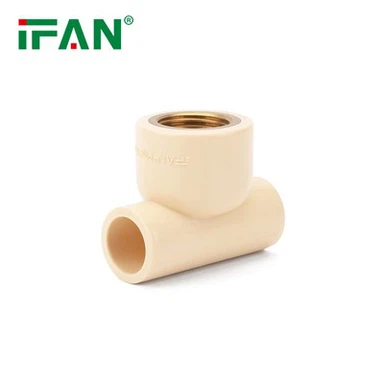

A Closer Look at Chemical Resistance in PPR Fitting Applications
Jun 28, 2025
Understanding chemical resistance in thermoplastics
Chemical resistance refers to a material's ability to maintain its physical and mechanical properties when exposed to different chemicals. In piping systems, this characteristic determines how well the material will perform in contact with substances such as acids, bases, salts, and cleaning agents. PPR, as a non-polar thermoplastic, is particularly resistant to a wide range of substances. It does not react easily with polar compounds, which gives it a protective advantage in chemically aggressive environments. Its molecular structure ensures low permeability and high resistance to stress cracking, which are essential qualities for long-term performance in chemically exposed systems.
Compatibility with acids and alkalis
PPR fittings are especially resistant to both acidic and alkaline solutions. This makes them suitable for systems that transport fluids with a pH outside the neutral range. In industrial and chemical process piping, where acids such as hydrochloric acid or alkalis like sodium hydroxide are used, material degradation is a serious concern. PPR fittings demonstrate long-term resistance in low and medium concentrations of many common acids and bases. However, resistance varies with concentration, temperature, and exposure duration. Manufacturers typically provide chemical resistance charts to help engineers select appropriate materials for specific chemical combinations.
Suitability for cleaning agents and disinfectants
PPR's resistance to cleaning agents and disinfectants is another reason for its widespread use in hospitals, food production plants, and laboratories. These environments often require frequent chemical flushing or sanitation with substances like chlorine-based cleaners or alcohols. PPR does not absorb these chemicals or degrade under normal exposure conditions, maintaining its shape and strength. It is important, though, to distinguish between occasional and continuous exposure. While PPR resists short-term disinfection cycles well, long-term contact with oxidizing agents such as concentrated sodium hypochlorite should be carefully managed to avoid surface stress or discoloration.

Resistance to organic compounds
PPR also performs well in the presence of many organic solvents, such as esters, ketones, and alcohols. This makes it useful in laboratories or chemical processing plants where such substances are routinely handled. However, its resistance to aromatic and chlorinated hydrocarbons (such as benzene or chloroform) is limited. These compounds can swell or weaken the polymer matrix over time. For these applications, alternative materials like PVDF or PTFE may be more suitable. Still, for many low-risk organic applications, PPR provides a cost-effective and chemically stable solution for piping and fittings.
Advantages in wastewater and drainage systems
Chemical resistance also plays a vital role in wastewater and greywater systems. These systems often carry a mixture of biological material, detergents, cleaning fluids, and sometimes industrial runoff. PPR fittings offer strong resistance to microbial attack and chemical corrosion, ensuring long service life without contamination or leakage. Their smooth interior surfaces also help resist buildup and scaling, which is important for maintaining flow rates. In such applications, using a chemically resistant material like PPR reduces the risk of pipeline failure and avoids expensive repairs or replacements.
Comparison with other materials
Compared to other commonly used piping materials, PPR offers a favorable balance of chemical resistance and mechanical strength. PVC, for example, is also chemically resistant but has lower thermal tolerance and may become brittle in cold conditions. CPVC improves on temperature resistance but is less flexible than PPR and may be more susceptible to stress cracking in chlorinated environments. Metal pipes can corrode or react with acidic or alkaline substances unless properly lined. PPR does not rust or corrode, offering reliable performance in a broader range of chemical exposures, especially when used within recommended temperature and pressure limits.
Influence of temperature and pressure
Chemical resistance in PPR fittings is also influenced by temperature and pressure. Elevated temperatures can accelerate chemical reactions and increase permeability, which may reduce resistance in certain cases. For example, PPR's resistance to sulfuric acid at room temperature is higher than at 70°C. Similarly, higher pressure can force aggressive chemicals into the polymer structure, increasing the risk of deformation or stress cracking. To avoid such issues, engineers must consult material compatibility charts and follow manufacturer guidelines regarding temperature-pressure-chemical interactions when designing chemically exposed PPR systems.
Applications in industrial environments
In industrial settings such as electroplating, textiles, and chemical processing, piping must handle not only aggressive chemicals but also pressure and temperature variations. PPR's resistance to a broad range of chemical agents, combined with its mechanical performance, makes it a reliable option for such environments. Electroplating facilities, for example, often use acidic baths, caustic solutions, and rinse water. PPR fittings can be used to transport these fluids safely without corroding or leaching contaminants. Their ease of fusion welding also allows for custom configurations suited to specific industrial processes.
Ensuring longevity through correct selection
To take full advantage of PPR's chemical resistance, proper selection and installation practices must be followed. Not all PPR grades perform equally, and color-coded variants sometimes indicate application-specific additives or UV resistance. Additionally, fittings should always match the pipe system in terms of pressure and temperature class. Regular inspection is recommended in systems where chemicals are present, particularly when exposure to elevated temperatures or high concentrations is routine. With correct application and maintenance, PPR systems can function reliably for decades in chemically aggressive environments.

Manufacturer data and material safety
Reputable PPR manufacturers provide detailed chemical resistance data and product safety information. These resources typically include compatibility charts listing common chemicals and their effects on PPR under specific conditions. Engineers and designers should always refer to this information before specifying PPR fittings for a chemically exposed application. By using certified fittings that meet international standards such as ISO 15874 and DIN 8078, system designers can ensure both safety and performance. Material traceability and documentation also support compliance in regulated industries like food production or pharmaceuticals.
Conclusion
Chemical resistance is one of the most important considerations in selecting piping materials for modern applications. PPR fittings offer excellent performance across a wide spectrum of chemicals, including acids, alkalis, disinfectants, and many organic compounds. This makes them suitable for use in everything from domestic water systems to industrial chemical pipelines. While not resistant to every chemical, PPR provides a reliable and cost-effective solution when selected and installed correctly. Understanding the specific conditions of use-temperature, concentration, and pressure-ensures that PPR fittings deliver safe, long-lasting performance in even the most demanding environments.
Click here to watch more videos