
Brass Press Fitting: Material Composition and Performance Characteristics
Mar 19, 2025
In the realm of plumbing and fluid handling systems, brass press fittings have emerged as a reliable and efficient solution for connecting pipes. Their popularity stems from a combination of material properties, ease of installation, and long-term durability. This article delves into the material composition and performance characteristics of brass press fittings, shedding light on what makes them an ideal choice for various applications.
Introduction to Brass Material Composition
Brass Basics
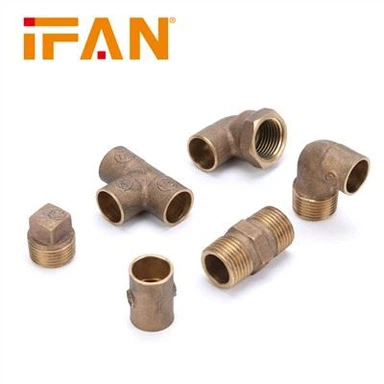
Brass is an alloy primarily composed of copper and zinc, with small additions of other elements like lead, tin, aluminum, or silicon to enhance specific properties. The ratio of copper to zinc can vary, resulting in brass alloys with different physical and mechanical characteristics. For brass press fittings, the alloy is carefully selected to balance corrosion resistance, strength, and machinability.
Alloy Composition for Press Fittings
Brass press fittings typically utilize alloys that offer high ductility and corrosion resistance. Common compositions include brass with around 60-65% copper and 35-40% zinc, known for their excellent formability and strength. Some specialized alloys may include additional elements to improve hardness, machinability, or resistance to specific corrosive environments.

Mechanical Properties and Durability
Strength and Toughness
Brass press fittings are renowned for their high tensile strength and yield strength, which ensure they can withstand high pressures without deformation. Their ductility allows them to undergo significant deformation without fracturing, making them ideal for press-fitting applications where pipes are securely joined through radial compression.
Corrosion Resistance
The presence of copper in brass provides excellent resistance to corrosion, particularly in environments exposed to water, oxygen, and various chemicals. Brass forms a protective oxide layer on its surface, which acts as a barrier against further corrosion. This characteristic is crucial in plumbing systems, where fittings must endure constant exposure to water and potential contaminants.
Ease of Installation and Efficiency
Press-Fitting Technology
One of the most significant advantages of brass press fittings lies in their installation process. Unlike traditional soldering or threading methods, press fittings require no heat, flames, or special chemicals. They are installed using a press tool that applies radial force to the fitting, compressing a sealing sleeve around the pipe and creating a leak-tight connection. This simplifies the installation process, reduces labor costs, and minimizes the risk of fire hazards.
Time and Cost Savings
The efficiency of press-fitting technology translates into significant time and cost savings. Installers can quickly connect pipes without the need for extensive preparation or cleanup. Additionally, brass press fittings can be used in tight spaces where traditional methods might be impractical or impossible. This versatility enhances the overall efficiency of plumbing installations.
Versatility and Application Range
Wide Range of Applications
Brass press fittings are versatile and suitable for a broad spectrum of applications, from residential plumbing to industrial fluid handling systems. They are commonly used in water supply lines, heating systems, air conditioning units, and refrigerant lines. Their ability to withstand high pressures and temperatures, combined with corrosion resistance, makes them ideal for both potable water and non-potable fluid applications.
Compliance with Standards
Brass press fittings are typically designed and manufactured to comply with international standards and regulations. This ensures they meet the performance requirements for various applications, including those in critical infrastructure like hospitals, schools, and commercial buildings. Compliance with standards also facilitates easier approval and acceptance by building codes and regulatory bodies.

Environmental Considerations and Sustainability
Recyclability of Brass
Brass is a highly recyclable material, which contributes to the sustainability of brass press fittings. At the end of their service life, brass fittings can be recycled and repurposed, reducing waste and conserving natural resources. Recycling brass also requires less energy compared to producing new alloy from raw materials, lowering the overall environmental footprint.
Lead-Free Options
In response to health and environmental concerns, many brass press fitting manufacturers offer lead-free options. These fittings comply with regulations aimed at reducing the presence of lead in plumbing systems, particularly those intended for potable water use. Lead-free brass alloys ensure that water remains safe for consumption, protecting public health and complying with regulatory requirements.
In conclusion, brass press fittings stand out due to their material composition and performance characteristics. Their high strength, corrosion resistance, and ease of installation make them a reliable and efficient choice for various plumbing and fluid handling applications. Their versatility, compliance with standards, and environmental benefits further solidify their position as a preferred solution in the industry. As technology and regulations continue to evolve, brass press fittings will undoubtedly play a crucial role in meeting the demands of modern plumbing and fluid handling systems.