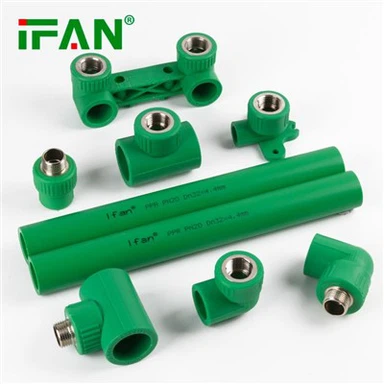

Lightweight Design of PP Compression Fittings
Jul 31, 2026

| Product Name | Brass Filter Valve |
| Color | Brass or Sliver Color |
| Size | 1/2''-2'' |
| Brand | IFAN or Customized |
| OEM |
Support |
| Sample | Free |
| Experience | 30+Years |
Welcome to contact IFAN, we are online 24 hours a day to answer your questions!
Introduction: The Importance of Lightweight Components in Piping Systems
In modern piping projects, component weight has become an important consideration during system design and installation. Engineers and contractors increasingly look for solutions that can provide reliable performance while reducing transportation difficulties, labor requirements, and overall construction costs. For applications such as irrigation, water supply, and fluid distribution, lightweight fittings can bring significant advantages without compromising connection quality.
PP compression fittings are recognized for their lightweight design, which comes from the unique properties of polypropylene materials. Although these fittings are easy to handle, they still provide strong mechanical performance, reliable sealing, and long-term durability. This combination allows them to meet the demands of different pipeline systems while improving installation efficiency.
Compared with heavier metal alternatives, PP compression fittings offer greater convenience throughout the entire project process. From transportation and storage to installation and maintenance, their lightweight structure helps simplify operations. As a result, they have become an increasingly popular choice for modern plastic piping systems.
Polypropylene Material Creates a Lightweight Advantage
The lightweight feature of PP compression fittings is mainly determined by the characteristics of polypropylene. As a thermoplastic material, polypropylene has a low density while maintaining excellent strength and stability. This allows manufacturers to produce fittings that are easy to carry and install without reducing their functional performance.
In large-scale pipeline projects, the weight of components can directly affect transportation and handling costs. Heavy fittings require more labor and specialized equipment, especially when materials must be moved over long distances or installed in difficult locations. PP compression fittings reduce these challenges because workers can handle them more easily during construction.
Despite their light structure, polypropylene fittings provide good resistance to impact, moisture, and environmental changes. This balance between low weight and reliable performance makes them suitable for many applications where efficiency and durability are equally important.
By using lightweight materials, PP compression fittings help create more convenient and cost-effective pipeline solutions.
Easier Transportation and Storage During Projects
One of the practical benefits of lightweight PP compression fittings is the improvement they bring to logistics management. In pipeline construction, transporting large quantities of fittings can represent a significant part of project costs. Lighter components reduce the load requirements for transportation vehicles and make storage easier.
Because PP compression fittings take up less handling effort, workers can move them quickly between storage areas and installation sites. This is especially valuable for agricultural projects, outdoor irrigation systems, and construction areas where access may be limited.
Storage management is also simplified due to their lightweight nature. Contractors can organize and relocate fittings more efficiently, allowing project teams to maintain better workflow control. The reduced physical burden helps improve productivity and shortens preparation time before installation.
For companies managing multiple projects, these advantages can contribute to better resource allocation and improved overall efficiency.
Simplified Installation Reduces Labor Requirements
Installation efficiency is one of the major reasons why lightweight fittings are preferred in many piping applications. PP compression fittings are not only light in weight but also designed for quick and simple assembly. Workers can easily position and connect fittings without requiring heavy tools or complex equipment.
During installation, the fitting is attached to the pipe through a compression mechanism that provides a secure connection. The lightweight design makes alignment and adjustment easier, allowing installers to complete tasks more comfortably and efficiently.
For large irrigation networks or extensive water supply systems, reducing installation time can have a significant impact on project schedules. Less physical effort is required from workers, and fewer resources are needed to complete the same amount of work.
The combination of lightweight construction and easy connection methods makes PP compression fittings a practical choice for projects where speed and efficiency are important.
Maintaining Strength Despite Lightweight Construction
Although PP compression fittings are lightweight, they are not designed to sacrifice reliability. Their performance comes from the combination of polypropylene properties and carefully engineered structural design.
The compression system provides a strong mechanical connection between pipes and fittings. Internal components such as sealing rings and grip rings work together to maintain tight connections and prevent leakage. This ensures that the fittings can support stable pipeline operation even under changing pressure conditions.
Polypropylene also offers excellent resistance to corrosion and chemical exposure. Unlike metal fittings that may become damaged by rust over time, PP fittings maintain their structural integrity in wet or chemically challenging environments.
This ability to combine low weight with dependable performance makes PP compression fittings suitable for applications requiring both convenience and long service life.
Benefits in Agricultural and Outdoor Applications
Agricultural irrigation systems often require large numbers of fittings distributed across wide areas. In these environments, lightweight components provide clear advantages during installation, repair, and system expansion.
Farmers and technicians can transport PP compression fittings easily across fields and outdoor locations. Their lightweight design reduces installation difficulties, especially when building irrigation networks in remote areas.
Outdoor applications also benefit from the durability of polypropylene. Exposure to soil, moisture, and changing weather conditions can affect traditional materials, but PP compression fittings maintain stable performance over time.
When irrigation systems need modification, lightweight fittings are easier to remove, replace, or reinstall. This flexibility allows agricultural users to adapt their water distribution systems according to changing requirements.
Supporting Cost Efficiency and Sustainable Development
The lightweight design of PP compression fittings contributes to both economic and environmental advantages. Lower transportation requirements can reduce fuel consumption, while easier installation can decrease labor expenses.
In addition, the long service life of polypropylene fittings means fewer replacements are needed during the operational period of a pipeline system. This reduces material waste and supports more sustainable construction practices.
For modern industries, efficiency is not only about reducing immediate costs but also about creating systems that remain valuable over time. PP compression fittings help achieve this balance by providing lightweight solutions with dependable performance.
Their combination of reduced weight, durability, and practical benefits makes them an important component in sustainable pipeline development.