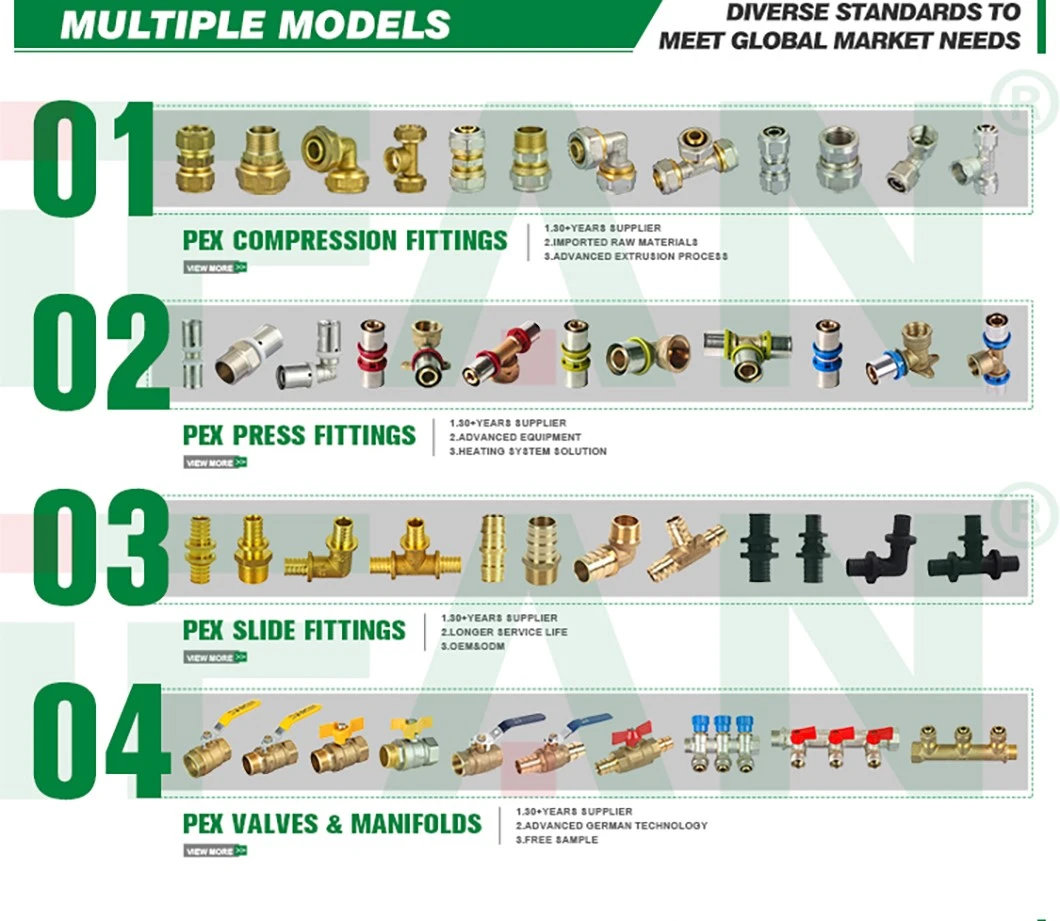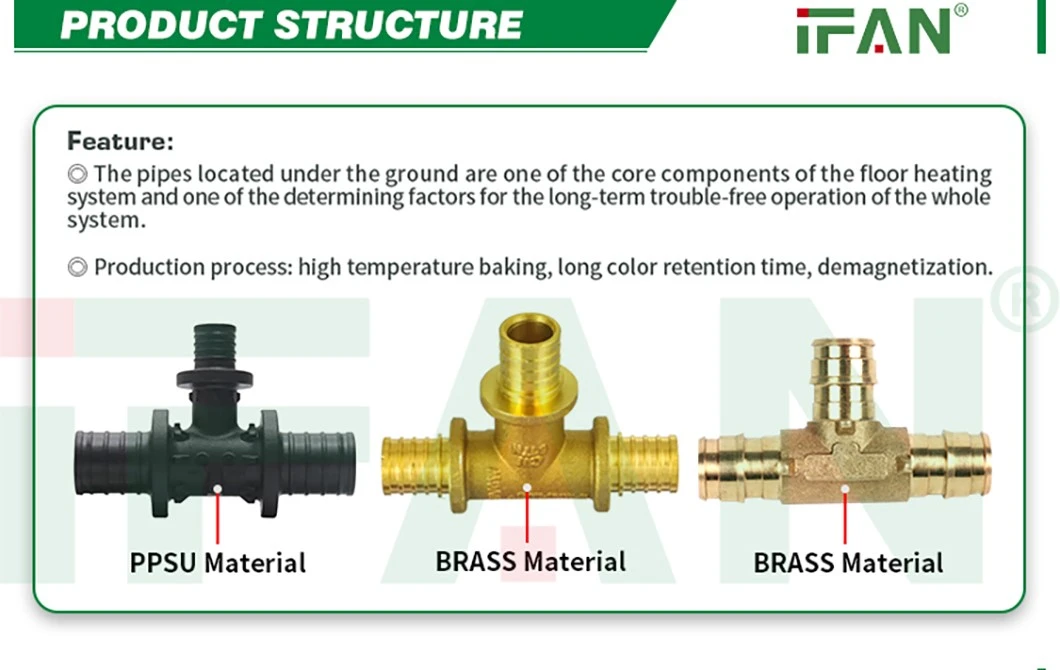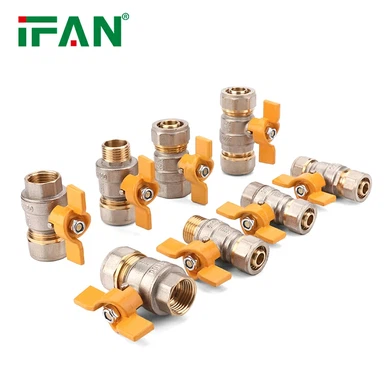

Improve Plumbing Flexibility with Brass Slide Fittings
Sep 29, 2026

|
Product Name |
Brass Slide Fittings |
|
Color |
Yellow Color |
|
Size |
16-32mm |
|
Brand |
IFAN or Customized |
|
OEM |
Support |
|
Sample |
Free |
|
Experience |
30+Years |
|
Contact Us |
Welcome to contact IFAN, we are online 24 hours a day to answer your questions!
Supporting Adaptable Plumbing Layouts
Plumbing installations often need to follow complicated routes around walls, fixtures, cabinets, structural elements, and existing pipework. A rigid connection approach can make small changes difficult once installation begins. Flexible connection components can give installers more control when adjusting pipe positions.
Brass slide fittings provide a practical option for compatible plumbing pipes. Their sliding structure allows controlled positioning before the connection is finalized, depending on the specific fitting design. This feature can help installers manage minor differences between planned measurements and actual site conditions.
Instead of immediately fixing every connection at a predetermined location, installers can make final adjustments during assembly. This can be useful when several pipe sections must meet accurately within a confined area.
The fitting does not make the pipe itself flexible. Rather, it provides positioning flexibility during installation. Major changes in direction still require appropriate elbows, bends, or other plumbing components.
When used correctly, this design can make plumbing layouts easier to organize and adapt without unnecessary modifications.
Making Fixture Connections More Convenient
Residential and commercial plumbing systems often connect pipes to sinks, water heaters, valves, appliances, and other fixtures. The final position of these components may differ slightly from the original plan because of site conditions.
A brass slide fitting can help accommodate small positional adjustments during assembly. Installers can position compatible pipe sections and fine-tune the connection before securing it according to the manufacturer's instructions.
This can be useful when several fixtures are installed along a common pipe route. Small adjustments can help maintain consistent spacing and reduce unnecessary tension around connection points.
However, installers should confirm the fitting's adjustment range before relying on it. The component should never be forced beyond its intended movement.
Proper supports are also necessary. Once the connection is positioned, nearby pipe supports should help maintain the selected route and prevent excessive movement during normal service.
Adapting to Restricted Plumbing Spaces
Limited installation space is a common challenge in plumbing work. Pipes may need to pass behind cabinets, inside service areas, beneath floors, or around existing structures.
A slide fitting can provide useful positioning flexibility where working space is restricted. Rather than repeatedly moving an entire pipe section, installers may be able to make smaller adjustments near the connection point.
This can simplify assembly in areas where access is limited. It may also reduce the need for repeated cutting when the final connection location changes slightly.
Even so, installation clearance remains important. The fitting should be accessible enough for inspection and servicing after the plumbing system is completed.
A well-planned layout should therefore consider both installation flexibility and future maintenance. A connection that is difficult to reach can create unnecessary work during later repairs.
Supporting Changes During Plumbing Installation
Plumbing projects can change as construction progresses. Wall finishes, fixture locations, and existing services may require minor modifications to the original pipe route.
Brass slide fittings can provide some adaptability during these adjustments. Their positioning capability may allow installers to accommodate small dimensional differences without redesigning the entire section.
This can be particularly helpful during renovation projects. Existing pipework rarely provides the same freedom as a new installation, so connection components with controlled adjustment can be useful.
However, any modification should remain within the fitting's technical specifications. Pressure, temperature, pipe compatibility, and connection requirements still determine whether the product is suitable.
Installers should also verify the final arrangement before securing the connection. The pipe should remain properly supported, and the fitting should not be subjected to unnecessary bending or mechanical stress.
Choosing Brass Slide Fittings for Plumbing Flexibility
Selecting the correct fitting begins with understanding the plumbing system. Buyers should check pipe diameter, pipe material, connection type, pressure rating, temperature range, and fluid compatibility.
The fitting's construction should also suit the installation environment. Brass provides useful mechanical properties for many plumbing applications, but specific alloy requirements may vary according to water chemistry and service conditions.
Installation instructions should be followed carefully. Proper pipe preparation and correct assembly are essential for achieving a secure connection.
When appropriately selected, brass slide fittings can introduce useful flexibility into plumbing installation work. Their controlled positioning feature helps installers manage minor dimensional changes, work around restricted spaces, and establish more accurate connection locations. Combined with proper planning and adequate pipe support, they can make plumbing systems easier to assemble and adapt while maintaining the requirements of the overall installation.