
Enhance Pipeline Durability Using Brass Slide Fittings
Sep 29, 2026

|
Product Name |
Brass Slide Fittings |
|
Color |
Yellow Color |
|
Size |
16-32mm |
|
Brand |
IFAN or Customized |
|
OEM |
Support |
|
Sample |
Free |
|
Experience |
30+Years |
|
Contact Us |
Welcome to contact IFAN, we are online 24 hours a day to answer your questions!
Supporting Stronger Pipeline Connections
A pipeline can only perform consistently when its individual connections remain secure during service. Joints experience pressure, temperature changes, vibration, and mechanical movement throughout their operating life. Choosing suitable connection components can therefore contribute to the overall durability of a piping installation.
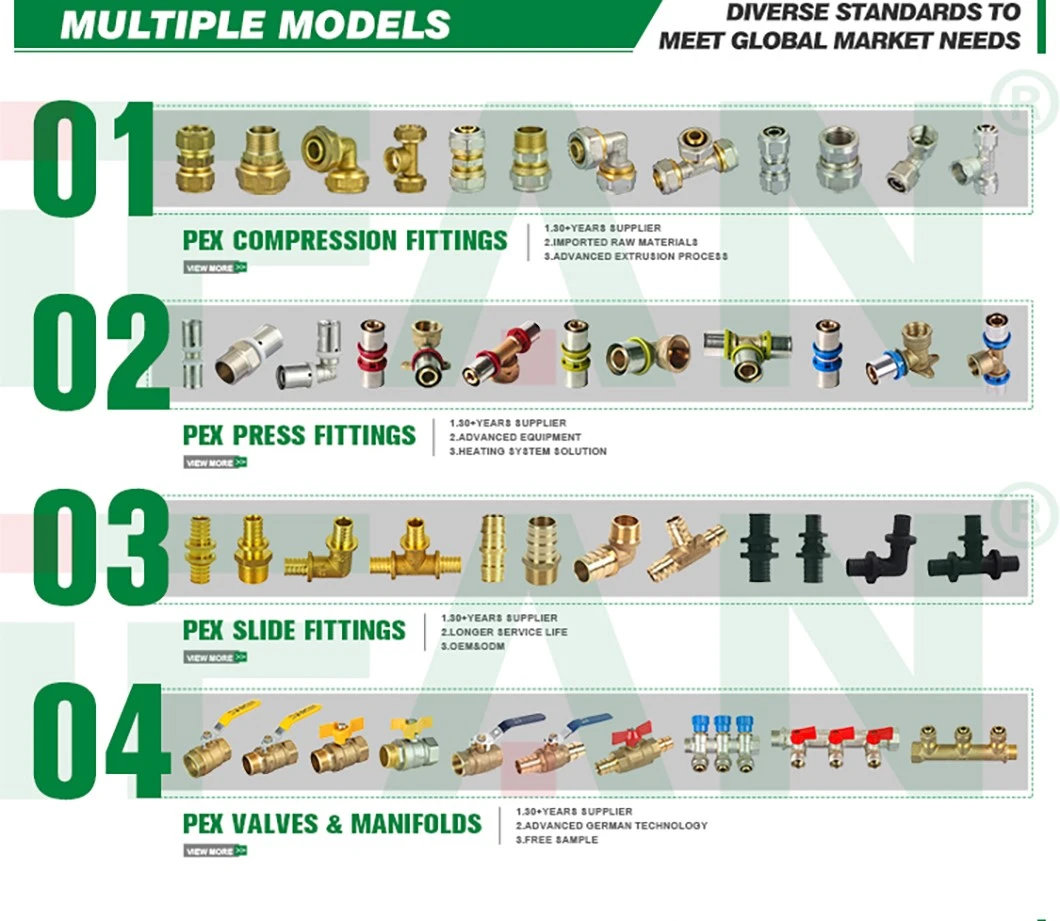
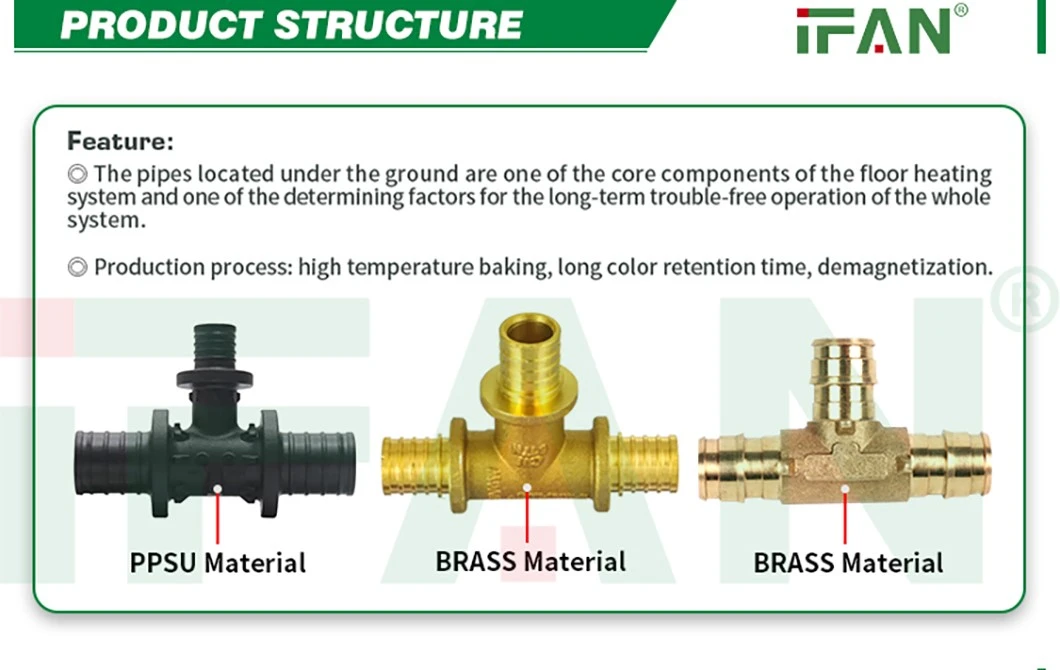
Brass slide fittings provide a connection option for compatible pipes and tubing. Their brass construction offers useful mechanical strength for many plumbing and fluid distribution applications. The sliding design can also help installers position the fitting accurately before completing the joint.
Accurate positioning matters because poorly aligned pipes can transfer unnecessary stress to connection points. When a fitting is installed under constant tension, pressure changes or movement may place additional loads on the joint.
A properly installed slide fitting can help maintain a more controlled connection arrangement. However, the fitting itself does not determine the durability of the complete pipeline. Pipe material, supports, operating conditions, installation quality, and maintenance all influence long-term performance.
Reducing Stress at Connection Points
Connection areas are often exposed to mechanical forces that develop throughout a pipeline. Pipes can move slightly because of thermal expansion, vibration, pressure fluctuations, or changes in surrounding conditions.
Correct alignment can help prevent unnecessary forces from concentrating around individual joints. Brass slide fittings provide some positioning flexibility during installation, allowing compatible pipes to be placed more accurately before the connection is finalized.
This adjustment can be useful when several pipe sections must meet within a defined route. Instead of forcing pipes into position, installers can make controlled adjustments during assembly.
Pipe supports remain essential. A fitting should not be expected to carry loads caused by unsupported pipe sections or significant movement. Properly placed supports can distribute the weight of the pipeline and reduce stress transferred to individual connections.
For heating systems, designers should also consider thermal expansion. The system should provide suitable arrangements for expected movement rather than relying solely on connection fittings.
Maintaining Structural Performance
Brass can provide useful resistance to mechanical wear and corrosion in many appropriate environments. Its suitability depends on the alloy, fluid chemistry, temperature, and other service conditions.
A brass slide fitting should be selected according to the actual requirements of the pipeline. Applications involving ordinary water may have different material needs from systems carrying specialized fluids.
The fitting's pressure rating is equally important. Operating above the specified pressure can place excessive loads on the connection and reduce its service reliability. Temperature limits should also be respected, particularly in hot-water and heating applications.
Proper installation protects the fitting from avoidable damage. Excessive tightening, improper tools, or contaminated connection surfaces can affect the quality of the joint.
Manufacturers' instructions should guide preparation and assembly. Following the specified procedures helps ensure that the fitting performs within its intended design conditions.
Protecting Pipelines from Installation Problems
Pipeline durability begins before the system enters service. Poor preparation can create problems that become more serious as the installation ages.
Pipe ends should be cut and prepared according to the fitting requirements. Damaged or deformed sections may prevent the fitting from seating correctly. Dirt and debris should also be removed from connection areas before assembly.
The fitting should be positioned without forcing the pipe into an unnatural route. Excessive bending near the joint can create continuous mechanical stress.
After installation, the pipeline should be inspected carefully. Connections can be checked for visible defects, incorrect positioning, or leakage. Appropriate pressure testing can provide additional confirmation when required by the system design.
These steps help identify installation problems early, before regular operation places repeated loads on the connections.
Choosing Brass Slide Fittings for Long-Term Use
Selecting a suitable fitting requires more than choosing a brass product based on size alone. Buyers should verify pipe compatibility, connection dimensions, pressure ratings, temperature limits, fluid compatibility, and applicable standards.
The installation environment should also be considered. Indoor plumbing, heating networks, and industrial fluid systems may expose fittings to different mechanical and chemical conditions.
Maintenance access is another practical factor. Connections should remain accessible enough for inspection when the system layout permits. Regular checks can help identify developing issues before they affect the wider pipeline.
When correctly specified and installed, brass slide fittings can contribute to durable pipeline connections by supporting accurate positioning and stable assembly. Combined with suitable pipe supports, compatible materials, controlled operating conditions, and proper maintenance, they can help reduce unnecessary stress on joints and support reliable pipeline performance over time.