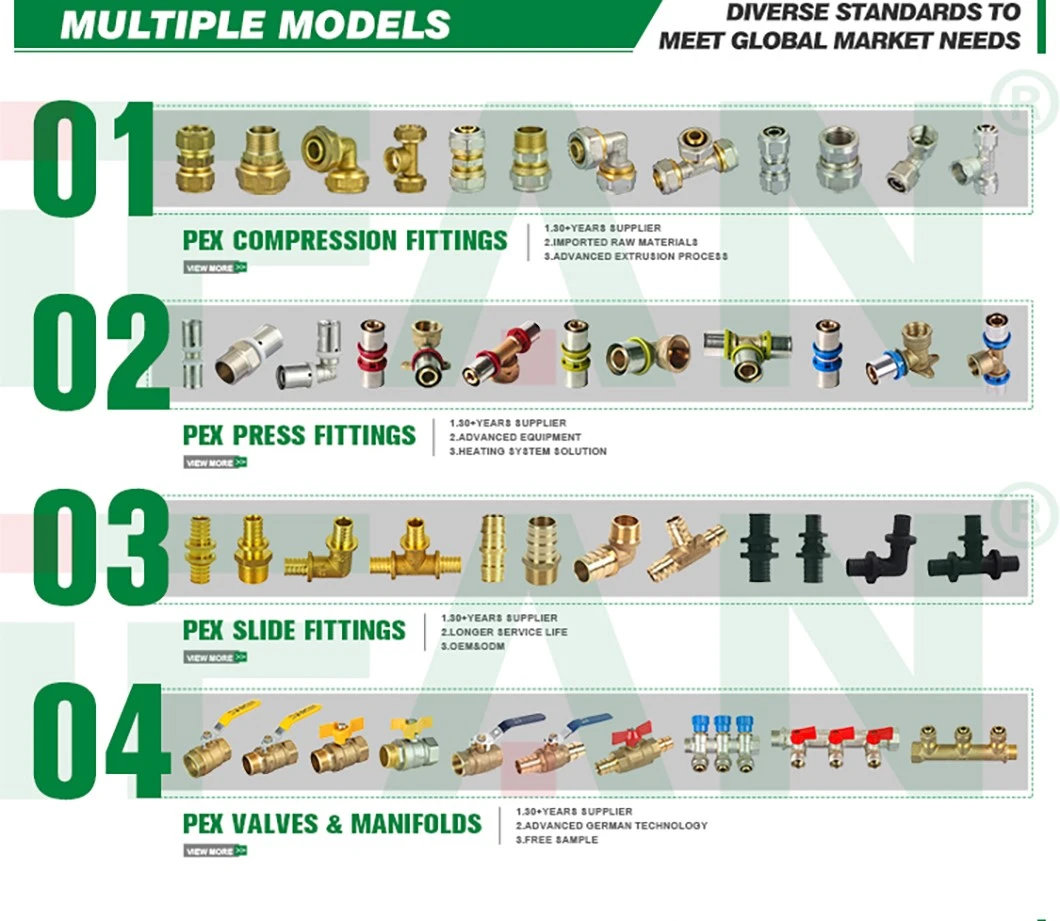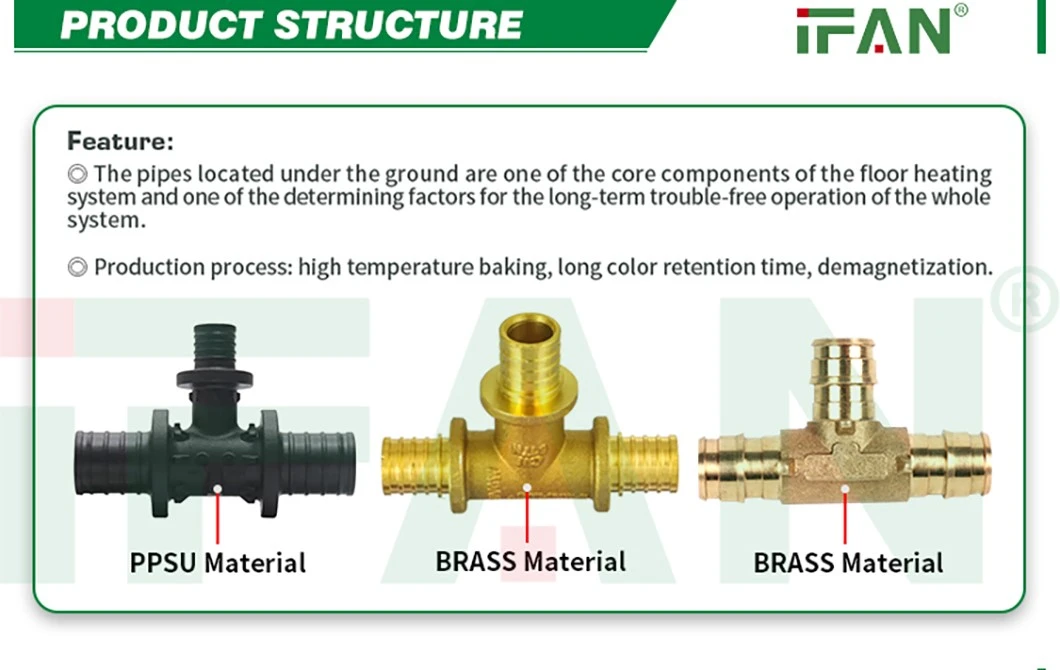

Brass Slide Fittings Simplify Installation Processes
Sep 29, 2026

|
Product Name |
Brass Slide Fittings |
|
Color |
Yellow Color |
|
Size |
16-32mm |
|
Brand |
IFAN or Customized |
|
OEM |
Support |
|
Sample |
Free |
|
Experience |
30+Years |
|
Contact Us |
Welcome to contact IFAN, we are online 24 hours a day to answer your questions!
Making Pipe Assembly More Manageable
Installing a piping system often involves more than simply joining two pipe sections. Workers must consider pipe length, alignment, available space, connection position, and the final route of the system. Small installation difficulties can become time-consuming when several joints need to be assembled in restricted areas.
Brass slide fittings can make certain connection tasks more manageable by allowing controlled positioning during assembly. Depending on the fitting design, the component can slide along a compatible pipe before the connection is finalized. This gives installers additional flexibility when determining the exact joint location.
Such adjustment can be useful when pipe measurements are difficult to establish precisely before installation. Instead of repeatedly cutting and repositioning pipe sections, installers may have some freedom to position the fitting at the required point.
The fitting still requires compatible pipe dimensions and proper preparation. Its sliding function does not remove the need for accurate installation. Instead, it provides an additional adjustment feature that can make the overall assembly process more convenient.
Supporting Accurate Pipe Positioning
Correct positioning has a direct effect on the appearance and function of a completed piping system. Poorly aligned pipes can place unnecessary stress on joints and make subsequent connections more difficult.
A brass slide fitting allows installers to make positional adjustments before securing the connection, where the product design permits this movement. This can help workers align pipe sections without applying excessive force.
The feature can be especially useful when several connections must meet within a limited area. Installers can establish the general pipe route first and then make final adjustments around individual joints.
Accurate positioning also helps maintain consistent spacing between nearby components. This can make valves, meters, and other equipment easier to access after installation.
However, installers should not depend on sliding fittings to correct major alignment errors. Significant changes in direction or elevation should be handled through suitable pipe bends, supports, or other connection components.
Reducing Unnecessary Installation Adjustments
Traditional pipe assembly may require repeated measurements and cutting when the final connection position differs from the initial plan. Every unnecessary adjustment consumes labor and may create additional material waste.
A suitable slide fitting can provide some flexibility during final positioning. Instead of fixing the joint at a predetermined point immediately, the installer can make controlled adjustments before completing the connection.
This can be helpful when actual site conditions differ slightly from the original installation drawing. Walls, supports, equipment locations, and existing pipework may affect the available space.
The installer can account for these conditions while maintaining the intended pipeline route. This does not mean measurements are unnecessary. Accurate planning remains important, but the fitting can provide useful tolerance during final assembly.
Careful handling is still required. The pipe should remain clean and undamaged, and the fitting should be installed using the recommended procedure.
Supporting Work in Confined Areas
Limited workspace can make pipe installation particularly challenging. Workers may have restricted access to tools and may need to connect pipes around walls, cabinets, equipment, or other structures.
The positioning flexibility offered by a slide fitting can be useful in these situations. Installers may be able to make final adjustments without moving an entire pipe section.
A compact fitting design can also help organize connections within crowded installation areas. However, sufficient clearance must remain available for tightening, inspection, and future servicing.
Installation planning should therefore include maintenance access. A connection that is easy to install but difficult to reach later may create problems during repairs.
Following the manufacturer's recommended orientation and assembly sequence helps maintain consistent results, especially when working in restricted spaces.
Choosing Fittings for Efficient Installation
Selecting the correct brass slide fitting requires attention to pipe diameter, material compatibility, pressure rating, temperature limits, and connection specifications. These factors determine whether the fitting is appropriate for the intended application.
Installers should also consider the working environment. Residential plumbing, heating systems, and other fluid distribution networks may have different requirements.
Brass provides useful mechanical properties for many suitable applications, but product specifications should always be checked before installation. The fitting should remain within its rated operating conditions.
After assembly, connections should be inspected and tested according to the relevant installation procedure. Checking for leaks and confirming proper alignment can identify problems before the system enters normal service.
When correctly selected and installed, brass slide fittings can simplify pipe assembly by providing useful positioning flexibility. They can reduce unnecessary adjustments, support accurate joint placement, and make certain installation tasks easier to manage. These characteristics make them a practical option for piping projects where controlled positioning and efficient assembly are important.