
Brass Slide Fittings Support Easy Adjustments
Sep 29, 2026

|
Product Name |
Brass Slide Fittings |
|
Color |
Yellow Color |
|
Size |
16-32mm |
|
Brand |
IFAN or Customized |
|
OEM |
Support |
|
Sample |
Free |
|
Experience |
30+Years |
|
Contact Us |
Welcome to contact IFAN, we are online 24 hours a day to answer your questions!
Flexible Positioning During Pipe Assembly
Installing pipework often requires careful adjustment before each connection reaches its final position. Measurements made during planning may change slightly once pipes, supports, walls, and equipment are installed. A fitting that provides controlled adjustment can make these situations easier to manage.
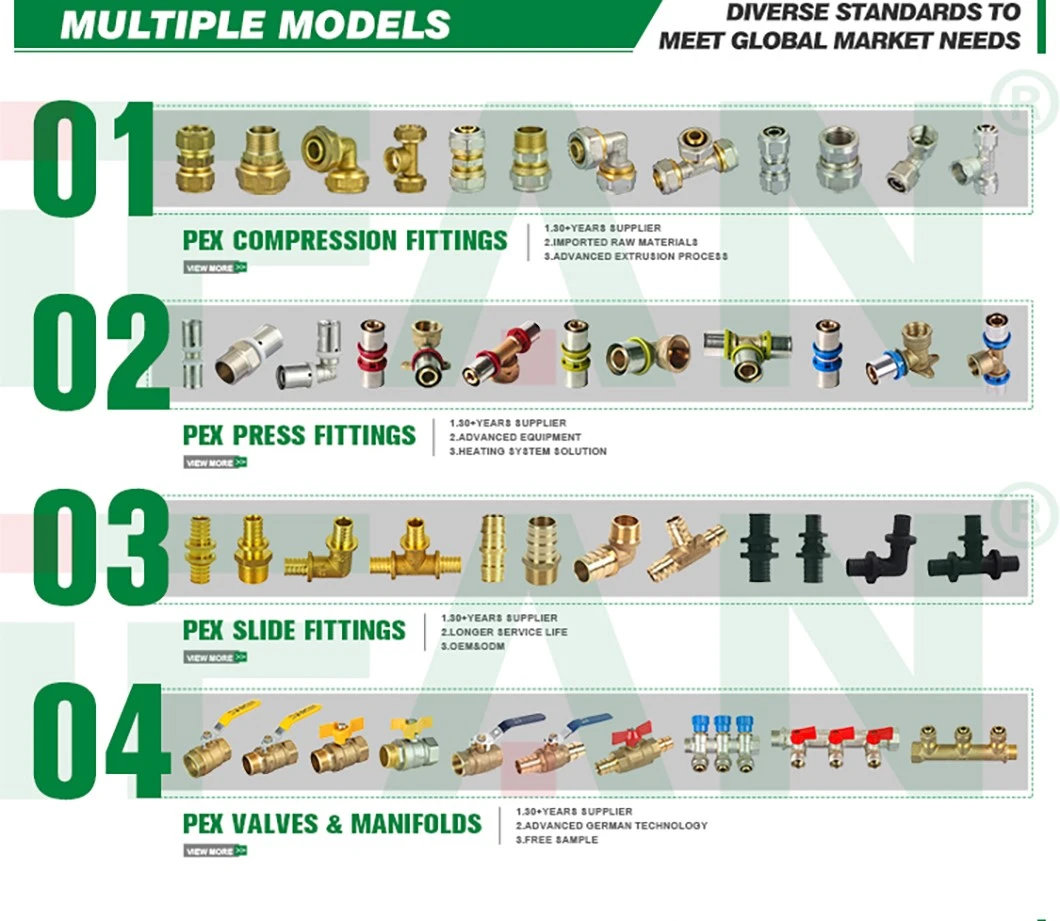
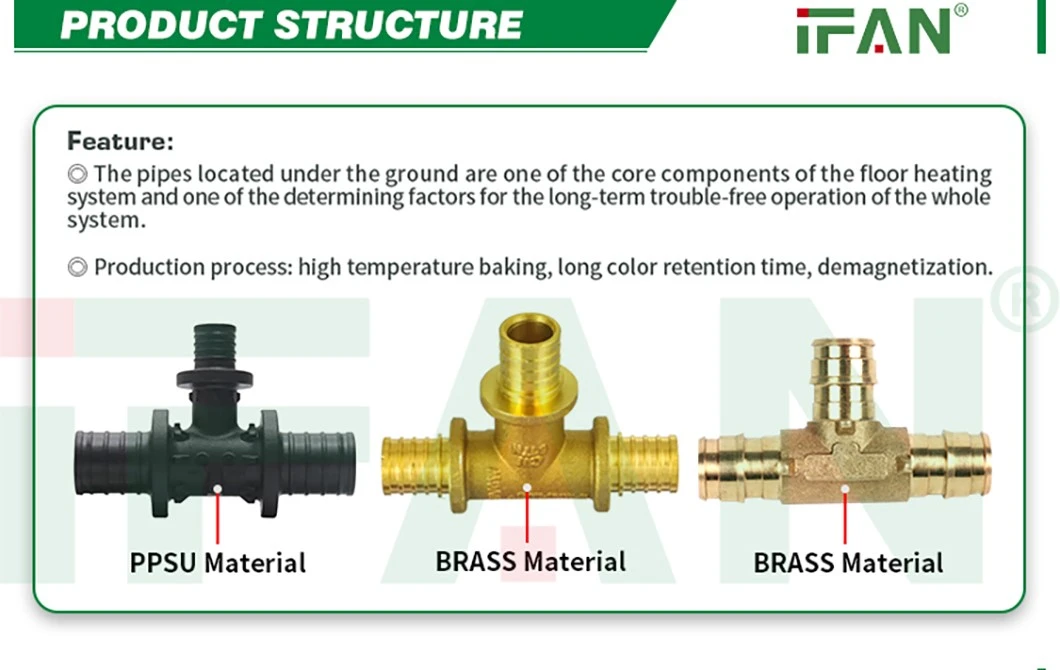
Brass slide fittings are designed for applications where compatible pipe sections need flexible positioning during assembly. Depending on the specific construction, the fitting can move along the pipe before the connection is secured. This feature gives installers an opportunity to fine-tune the joint location without immediately fixing it in one position.
The adjustment capability can be useful when several connections must line up within a limited installation area. Instead of repeatedly changing the pipe route, installers can make small corrections at the fitting itself. This can help create a cleaner and more orderly pipe arrangement.
However, adjustment should remain within the fitting's intended range. A slide fitting should not be forced beyond its design limits or used to compensate for major errors in pipe layout.
Making On-Site Corrections Easier
Real installation sites rarely match every detail of an initial drawing. Existing structures may affect pipe routes, while equipment positions can create unexpected clearance requirements. Small differences may require installers to adjust connection points before completing the system.
A brass slide fitting can provide useful flexibility in these situations. After placing the pipe in its approximate location, the installer can adjust the fitting to achieve the required joint position, provided the product design permits such movement.
This can reduce repeated cutting and repositioning of compatible pipe sections. It may also help preserve material when minor dimensional changes occur during installation.
The process still requires careful measurement. Installers should determine the required pipe length and connection location before making the final adjustment. The sliding feature is an installation aid, not a replacement for proper planning.
Using controlled adjustments can make the assembly process more predictable and help workers respond to minor site variations.
Improving Alignment Between Pipe Sections
Alignment is an important part of a reliable piping system. When two connected pipes do not follow the intended route, the resulting stress may remain around the joint after installation.
Slide fittings can support more accurate positioning by allowing installers to make small corrections before securing the connection. This can help align pipes with nearby fittings, valves, meters, and equipment.
Better alignment can also improve the appearance of exposed pipework. Straight and consistently positioned sections are easier to inspect and organize, particularly in mechanical rooms or utility spaces.
Nevertheless, the fitting should not be used to create sharp bends or compensate for significant directional differences. Suitable elbows, bends, and other components should handle changes in pipeline direction.
Pipe supports are equally important. Proper supports help maintain the selected alignment after installation and prevent the pipe's weight from placing excessive loads on the fitting.
Adapting to Limited Installation Space
Restricted working areas can make pipe installation more demanding. Installers may need to work around cabinets, walls, machinery, structural members, or existing pipe networks.
A fitting that allows some positional adjustment can make final assembly easier in these conditions. Workers may be able to establish the pipe route first and then fine-tune the connection without moving the entire section.
This can be particularly useful where access for repeated measurements is limited. Small adjustments at the connection point may reduce unnecessary movement of nearby components.
However, sufficient clearance must remain around the fitting. Installation flexibility should not come at the expense of future inspection or maintenance access.
Before finalizing the installation, workers should verify that the fitting is correctly positioned, properly secured, and accessible for any required servicing.
Selecting Suitable Brass Slide Fittings
Easy adjustment depends on choosing a fitting that matches the actual piping system. Buyers should confirm pipe diameter, connection type, material compatibility, pressure rating, temperature range, and application requirements.
The fitting should also be suitable for the transported fluid and environmental conditions. Brass performs effectively in many plumbing and fluid distribution applications, but specific alloy requirements can vary.
Installation instructions should be reviewed before assembly. Proper pipe preparation, correct positioning, and appropriate tightening procedures all contribute to connection quality.
When properly selected and installed, brass slide fittings can provide useful adjustment during pipe assembly. Their positioning flexibility can help installers respond to minor dimensional changes, improve alignment, and work more efficiently in restricted spaces. Combined with accurate planning and proper pipe support, this feature can make many piping installation tasks easier to control.