
HDPE Fittings Resist Corrosion In Harsh Environments
Aug 27, 2026

|
Product Name |
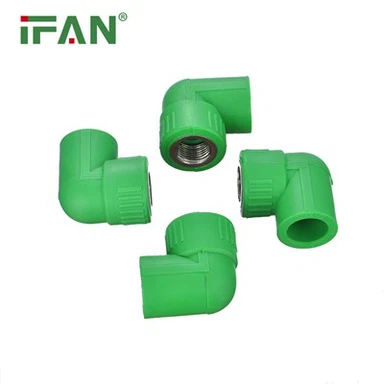
HDPE Pipe Fitting |
|
Color |
Blue Color |
|
Size |
20-110mm |
|
Brand |
IFAN or Customized |
|
OEM |
Support |
|
Sample |
Free |
|
Experience |
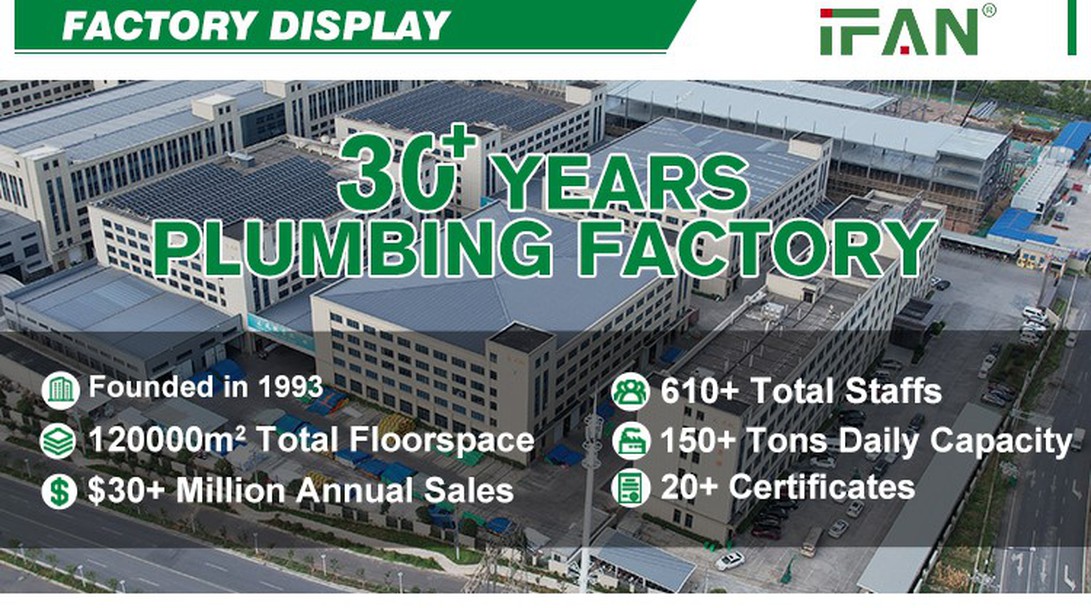
30+Years |
|
Contact Us |
Welcome to contact IFAN, we are online 24 hours a day to answer your questions!
Pipeline systems installed in harsh environments face constant challenges from moisture, chemicals, salts, changing temperatures, and aggressive fluids. In such conditions, corrosion can gradually weaken conventional metal components and increase the need for inspection and replacement. High-density polyethylene (HDPE) fittings provide a different approach because polyethylene does not rust and is naturally resistant to many corrosive substances. This makes HDPE fittings a practical option for applications where long-term exposure could damage traditional materials. Their use can help maintain pipeline integrity while reducing maintenance concerns. However, corrosion resistance is only one part of material selection. Engineers must also consider pressure, temperature, chemical compatibility, installation conditions, and the characteristics of the transported medium before choosing a fitting for a specific project.
Why Corrosion Resistance Matters
Corrosion is not always an obvious problem when a pipeline is first installed. Metal fittings may appear strong and reliable, yet continuous exposure to water, oxygen, dissolved salts, or industrial chemicals can gradually alter their surfaces. Over time, corrosion may reduce wall thickness, affect joint performance, and create leakage risks. In underground systems, the problem can be especially difficult to detect because damaged components are not easily accessible. HDPE fittings avoid many of these concerns because their polymer structure does not undergo the same rusting process as steel or iron. They can therefore remain stable in wet environments without requiring protective coatings to prevent ordinary corrosion. This characteristic can be particularly valuable where maintenance access is limited.
Performance in Wet and Salty Locations
Water treatment plants, coastal facilities, irrigation networks, and underground utility systems may expose pipeline components to persistent moisture and elevated salt levels. Metal fittings in these environments often require additional protection, such as coatings, linings, or cathodic protection systems. HDPE fittings provide inherent resistance to these conditions without depending on an external anti-corrosion layer. Saltwater exposure does not cause polyethylene to develop conventional rust, making HDPE attractive for selected marine and coastal applications. The material's resistance can also simplify maintenance planning because operators do not have to monitor a coating for corrosion-related failure in the same way they would with coated metal. Even so, the complete pipeline system must be evaluated because valves, bolts, flanges, and other components may still be made from corrosion-sensitive materials.
Resistance to Chemical Exposure
Harsh industrial environments can involve acids, alkalis, detergents, hydrocarbons, and other chemical substances. HDPE has good resistance to many commonly encountered chemicals, which helps explain its widespread use in industrial and wastewater applications. A fitting can remain functional when exposed to substances that would attack some conventional materials. Nevertheless, chemical resistance is not universal. The exact chemical, its concentration, temperature, pressure, and exposure duration can all affect polyethylene performance. For this reason, engineers should consult appropriate chemical compatibility data before approving HDPE fittings for specialized service. A material that performs well with one chemical may behave differently when the fluid composition or operating temperature changes. Careful verification prevents assumptions from becoming costly failures.
No Rust Does Not Mean No Maintenance
One common misconception is that corrosion-resistant fittings require no maintenance. In reality, HDPE systems still need appropriate inspection and operational monitoring. Mechanical damage, excessive pressure, unsuitable temperatures, ultraviolet exposure, improper installation, or external loading can affect pipeline performance even when corrosion is not a concern. Operators should therefore focus maintenance efforts on the actual risks associated with the installation. Above-ground fittings may need protection from impact, while buried pipelines require suitable trench preparation and backfill. Connections to metal equipment should also be inspected because differences in material behavior can introduce separate maintenance requirements. HDPE reduces one important source of deterioration, but it does not eliminate the need for sound engineering and responsible operation.
Advantages in Wastewater Applications
Wastewater environments can be particularly demanding because pipelines may encounter moisture, suspended solids, biological activity, and chemically aggressive substances. Traditional metal fittings can become vulnerable when several of these factors occur simultaneously. HDPE offers a useful alternative because its corrosion resistance helps protect the fitting from many external and internal chemical influences. In wastewater treatment facilities, this can support reliable transportation of sewage, process water, and selected chemical solutions. The smooth internal surface of properly manufactured HDPE components can also help reduce locations where deposits accumulate. However, hydraulic performance depends on the complete pipe system, including diameter, flow rate, fitting geometry, and operating conditions. Material selection should therefore be considered together with the overall design.
Suitable for Underground Infrastructure
Underground pipelines often operate in environments that are difficult to inspect regularly. Soil moisture, dissolved minerals, stray electrical currents, and varying soil chemistry can create corrosion risks for buried metal fittings. HDPE's nonmetallic nature removes several of these concerns. Because polyethylene does not conduct electricity like metal, it is not subject to certain forms of electrochemical corrosion that can affect buried metallic infrastructure. This can make HDPE fittings useful for water mains, irrigation networks, drainage systems, and other buried services. Proper installation remains essential, however. The surrounding soil, trench conditions, pipe movement, and potential external loads must be considered so that the fitting is not damaged by mechanical forces unrelated to corrosion.
Selecting HDPE for Harsh Conditions
The strongest benefit of HDPE fittings in aggressive environments is their ability to provide corrosion resistance as an inherent material property rather than as a temporary surface treatment. This can reduce concerns about rust, coating deterioration, and certain forms of chemical attack. Still, a reliable pipeline requires a broader assessment. Engineers should verify pressure ratings, temperature limits, chemical compatibility, joining procedures, dimensional standards, and expected service life before specifying the fittings. When these factors are properly addressed, HDPE can offer a durable solution for challenging environments where conventional materials may require greater protection. Its corrosion resistance, combined with appropriate design and installation, makes HDPE fittings a dependable option for many demanding pipeline applications.