
Methods for Inspection and Testing of PPR Pipes After Installation
Mar 14, 2025
Introduction to PPR Pipe Inspection and Testing
Polypropylene random copolymer (PPR) pipes are widely used in various applications, including plumbing, heating, and industrial fluid transportation, due to their durability, corrosion resistance, and ease of installation. Ensuring the integrity and performance of PPR pipes after installation is crucial for the safety and efficiency of the systems they serve. This article explores the methods for inspecting and testing PPR pipes after installation, highlighting visual inspection, pressure testing, non-destructive testing, and leak detection techniques.
Visual Inspection: Ensuring Proper Installation and Appearance
The first step in inspecting PPR pipes after installation is visual inspection. This involves visually examining the pipes, fittings, and joints for any signs of damage, misalignment, or improper installation. Inspectors should check for cracks, scratches, or dents on the pipe surface, as well as ensure that all joints are properly fused and free from gaps or leaks. Visual inspection also includes checking the overall alignment and support of the pipes, ensuring that they are securely fastened and not subject to excessive stress or movement. Proper lighting and access to the installation site are essential for effective visual inspection.
Pressure Testing: Verifying Structural Integrity and Leak-Tightness
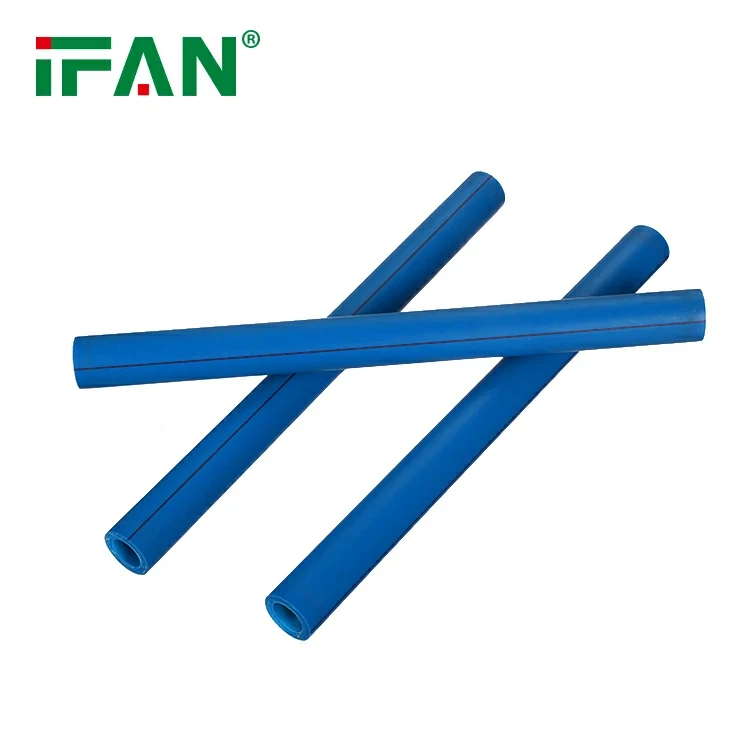
Pressure testing is a critical step in ensuring the structural integrity and leak-tightness of PPR pipes after installation. This test involves filling the piping system with water or another suitable fluid and gradually increasing the pressure to a predetermined level, typically 1.5 times the maximum operating pressure. The system is then monitored for any signs of leakage or pressure drop. Pressure testing should be conducted in accordance with relevant standards and regulations, such as those specified by the American Society of Mechanical Engineers (ASME) or the International Organization for Standardization (ISO). Any leaks or pressure drops identified during the test must be promptly addressed and repaired to ensure the safety and reliability of the piping system.
Non-Destructive Testing: Detecting Defects Without Compromising Pipe Integrity
Non-destructive testing (NDT) methods provide a means of detecting defects in PPR pipes without compromising their structural integrity. Several NDT techniques can be used for this purpose, including ultrasonic testing (UT), radiographic testing (RT), and magnetic particle inspection (MPI). Ultrasonic testing uses high-frequency sound waves to detect anomalies in the pipe wall, such as cracks, inclusions, or corrosion. Radiographic testing involves using X-rays or gamma rays to create images of the pipe interior, revealing any defects or inconsistencies. Magnetic particle inspection is used to detect surface and near-surface defects in ferromagnetic materials by applying a magnetic field and then examining the pipe for the presence of magnetic particles that have adhered to defects. NDT methods are essential for identifying potential safety hazards and ensuring the long-term performance of PPR pipes.
Leak Detection: Identifying and Locating Leaks in Installed PPR Pipes
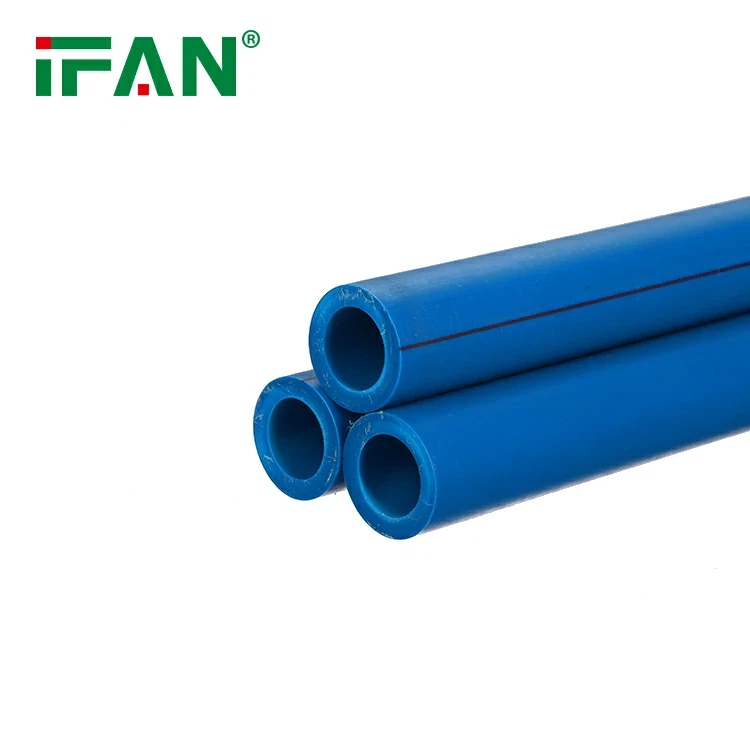
Leak detection is a crucial aspect of maintaining the integrity and efficiency of PPR pipes after installation. Leaks can occur due to improper installation, material defects, or external damage. Various leak detection techniques can be employed, depending on the specific application and operating conditions. Acoustic leak detection involves using sound-sensing devices to detect the characteristic sounds of escaping fluid. Thermal imaging can be used to detect temperature differences caused by leaks, as escaping fluid often results in localized cooling or heating of the surrounding area. Pressure decay testing involves isolating a section of the piping system and monitoring the pressure over time to detect any decreases that may indicate a leak. Leak detection techniques should be selected based on their effectiveness, accuracy, and cost-effectiveness in the specific context of the installed PPR pipes. IFAN factory 30+ years manufacture experience support color /size customization support free sample.Welcome to consult for catalog and free samples.This is our Facebook Website:www.facebook.com,Click to watch IFAN's product video.Our IFAN products from quality to price are your best choice, welcome to buy!
Conclusion: Ensuring the Safety and Reliability of Installed PPR Pipes
In conclusion, the inspection and testing of PPR pipes after installation are essential for ensuring their safety, reliability, and efficiency. Visual inspection provides a first line of defense against improper installation and damage. Pressure testing verifies the structural integrity and leak-tightness of the piping system. Non-destructive testing methods offer a means of detecting defects without compromising pipe integrity. Leak detection techniques enable the identification and location of leaks, allowing for prompt repair and maintenance. By following these inspection and testing methods, professionals can ensure the long-term performance and safety of PPR pipes in various applications. Regular inspection and testing should be incorporated into the maintenance schedule of any piping system utilizing PPR pipes, ensuring that potential issues are addressed promptly and effectively.