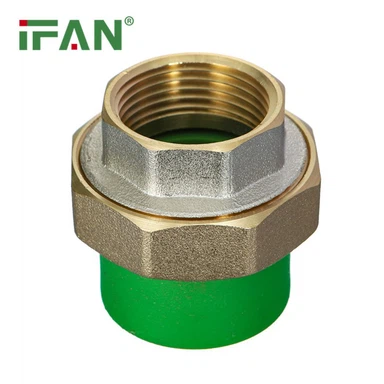

Performance Comparison Between PPR Pipes and Metal Pipes
Mar 14, 2025
Introduction to PPR and Metal Pipes
Polypropylene random copolymer (PPR) pipes and metal pipes are two commonly used materials in various industrial, residential, and commercial applications. Each material offers unique properties and advantages, making them suitable for different types of installations and environments. This article provides a comprehensive comparison of the performance characteristics of PPR pipes and metal pipes, highlighting their durability, corrosion resistance, thermal properties, installation ease, and cost-effectiveness.
Durability and Longevity
PPR pipes are known for their durability and longevity, particularly in applications involving corrosive environments or high temperatures. Made from high-density polypropylene, PPR pipes can withstand significant pressure and mechanical stress, making them suitable for plumbing systems, heating networks, and industrial fluid transportation. On the other hand, metal pipes, such as copper, steel, and iron, offer high tensile strength and resistance to physical impact. However, metal pipes are susceptible to corrosion, especially in wet or acidic environments, which can lead to premature failure and the need for frequent replacement. The durability of PPR pipes is further enhanced by their resistance to UV radiation and chemicals, making them a reliable choice for outdoor and underground installations.

Corrosion Resistance
Corrosion resistance is a critical factor in selecting piping materials, as corrosion can lead to leaks, reduced flow capacity, and system failures. PPR pipes exhibit excellent corrosion resistance, as they are inert to most chemicals and do not react with the transported fluids. This makes PPR pipes ideal for applications involving aggressive chemicals, such as wastewater treatment and chemical processing. In contrast, metal pipes are prone to corrosion, particularly when exposed to oxygen, water, or acidic substances. Corrosion in metal pipes can lead to the formation of rust, pitting, and stress cracking, which can compromise the structural integrity of the pipes and reduce their lifespan. To mitigate corrosion, metal pipes often require protective coatings, cathodic protection systems, or regular inspection and maintenance. IFAN factory 30+ years manufacture experience support color /size customization support free sample.Welcome to consult for catalog and free samples.This is our Facebook Website:www.facebook.com,Click to watch IFAN's product video.Our IFAN products from quality to price are your best choice, welcome to buy!
Thermal Properties
The thermal properties of piping materials are crucial in applications involving temperature variations or high-temperature fluids. PPR pipes exhibit good thermal stability, withstanding temperatures up to 95°C (203°F) for hot water systems and higher for specific grades. They expand and contract minimally with temperature changes, reducing the risk of stress cracks and leaks. Metal pipes, particularly copper and steel, have higher thermal conductivity than PPR pipes, making them effective in heat transfer applications such as radiant heating systems. However, metal pipes can also conduct heat to the surrounding environment, leading to energy losses and increased operational costs. In cold climates, metal pipes are susceptible to freezing, which can cause bursts and water damage. PPR pipes, with their lower thermal conductivity and resistance to freezing, offer better insulation and energy efficiency in such environments.
Installation Ease and Flexibility
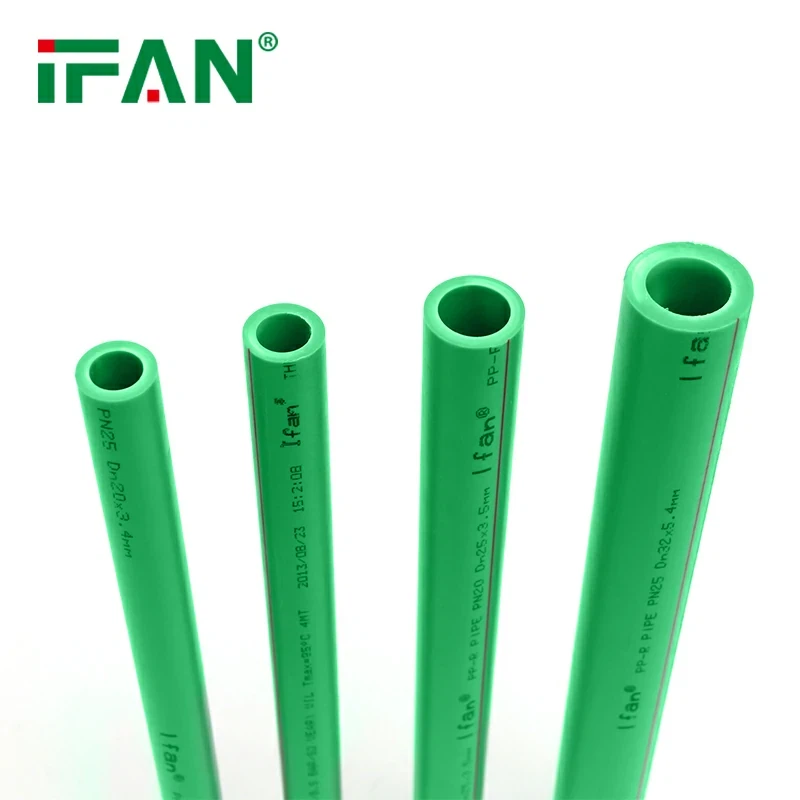
The ease of installation and flexibility of piping materials are significant considerations in reducing labor costs and facilitating maintenance. PPR pipes are lightweight, flexible, and easy to cut and join using heat-fusion techniques. This simplifies the installation process, reduces the need for heavy equipment, and minimizes disruption to existing structures. In contrast, metal pipes are rigid and require specialized tools and techniques for cutting, threading, and welding. Installation of metal pipes is often more labor-intensive and time-consuming, particularly in tight spaces or complex layouts. The flexibility of PPR pipes also allows for easier adaptation to changes in direction and accommodation of minor misalignments, reducing the need for additional fittings and connectors.
Cost-Effectiveness
The cost-effectiveness of piping materials is determined by the initial investment, installation costs, maintenance requirements, and long-term performance. PPR pipes offer a competitive advantage in terms of cost-effectiveness, particularly in applications involving corrosive environments or high temperatures. Their durability, corrosion resistance, and ease of installation contribute to lower maintenance costs and extended service life, reducing the overall lifecycle cost. Metal pipes, while offering high tensile strength and heat transfer capabilities, may require additional protective measures and frequent maintenance to counteract corrosion and extend their lifespan. In some cases, the higher initial cost of metal pipes and the associated installation and maintenance expenses can outweigh their benefits, making PPR pipes a more economically viable option.
Conclusion: Selecting the Right Piping Material
In conclusion, the performance comparison between PPR pipes and metal pipes reveals that each material has unique advantages and suitability for different applications. PPR pipes excel in durability, corrosion resistance, thermal insulation, ease of installation, and cost-effectiveness, making them an ideal choice for a wide range of residential, commercial, and industrial applications. Metal pipes, with their high tensile strength and heat transfer capabilities, are better suited for specific applications where these properties are critical. When selecting a piping material, it is essential to consider the specific requirements of the application, the environmental conditions, and the long-term economic implications to ensure the selection of the most suitable and cost-effective option.