
Why Choose Brass Gate Valves For Industrial Applications Today?
May 28, 2026

| Product Name | Brass Gate Valve |
| Color | Brass Color |
| Size | 1/2''-1'' |
| Brand | IFAN or Customized |
| OEM |
Support |
| Sample | Free |
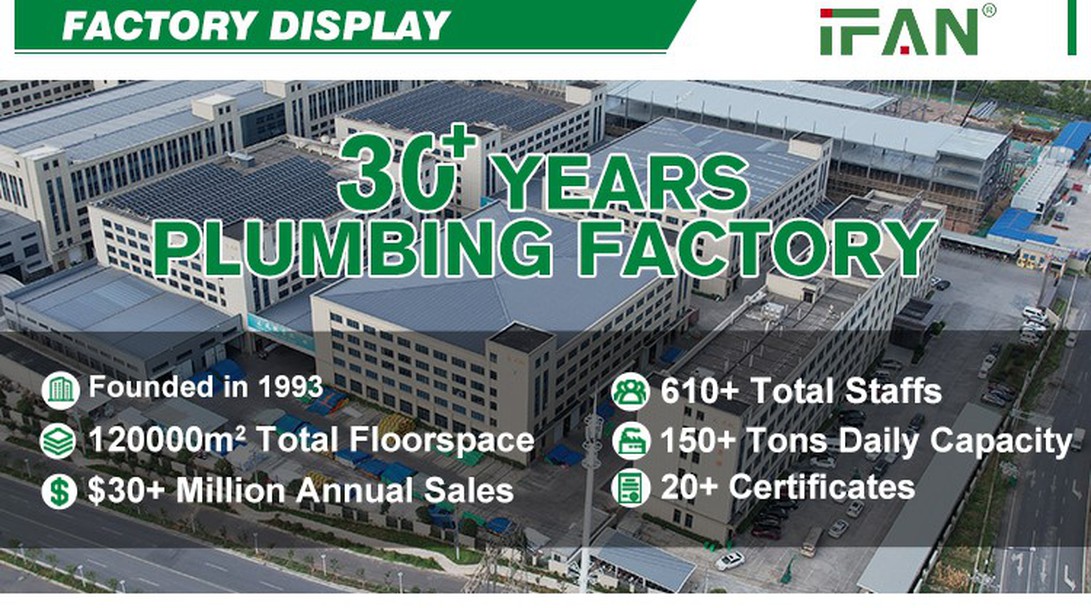
| Experience | 30+Years |
| Contact Us | Click HERE to contact us now! |
Welcome to contact IFAN, we are online 24 hours a day to answer your questions!
Introduction to Brass Gate Valves in Industry
Brass gate valves are widely used in industrial piping systems to control the flow of liquids and gases. They operate through a simple mechanism in which a gate is lifted or lowered to start or stop flow within the pipeline. Made from a copper-zinc alloy, brass offers a balanced combination of strength, corrosion resistance, and machinability. In modern industrial environments-where reliability, safety, and efficiency are critical-brass gate valves remain a trusted choice. Understanding why they are still widely selected today requires examining their performance characteristics and practical advantages in demanding applications.
Strong Resistance to Corrosion in Industrial Environments
One of the primary reasons brass gate valves are chosen for industrial use is their resistance to corrosion. Industrial systems often involve exposure to moisture, chemicals, and varying environmental conditions that can quickly degrade less resistant materials. Brass performs well in many of these environments because it naturally resists rust and oxidation. This makes it suitable for water systems, oil handling, HVAC systems, and light chemical applications. While not suitable for highly aggressive chemicals, brass provides dependable performance in many standard industrial conditions where corrosion resistance is essential for long-term operation.
Reliable Shut-Off Performance
Industrial systems require valves that can reliably start and stop fluid flow without leakage or failure. Brass gate valves are designed to provide a tight sealing mechanism when fully closed, ensuring complete isolation of pipeline sections. This is especially important during maintenance, system shutdowns, or emergency situations. The solid brass gate and seat design maintain consistent contact, reducing the risk of internal leakage. This reliable shut-off capability helps improve safety, protect equipment, and maintain process control in industrial operations.
Durability Under Pressure and Continuous Use
Industrial applications often involve continuous operation under moderate to high pressure conditions. Brass gate valves are known for their mechanical strength and ability to withstand these pressures without deformation. The robust structure of brass allows it to perform reliably over long periods of use, even in demanding environments. Unlike weaker materials that may wear or crack under stress, brass maintains its integrity, reducing the risk of unexpected failure. This durability is a key reason engineers prefer brass valves in systems where long-term stability is required.
Resistance to High Temperatures
Many industrial processes involve elevated temperatures, particularly in heating systems, boilers, and manufacturing operations. Brass gate valves perform well within moderate to high temperature ranges, typically up to around 200°F (93°C) in standard applications. This thermal stability ensures that the valve does not soften, warp, or lose its sealing capability under heat exposure. While extreme high-temperature environments may require specialized materials, brass is well-suited for most industrial heating and fluid control systems, offering a practical balance between performance and cost.
Low Maintenance and Long Service Life
Maintenance costs are a major concern in industrial operations, where system downtime can be expensive. Brass gate valves require relatively low maintenance due to their corrosion resistance and durable construction. Once installed correctly, they can operate for many years with minimal servicing. Routine inspection and occasional lubrication are usually sufficient to maintain performance. This long service life reduces replacement frequency and helps lower overall operational costs, making brass an economically attractive option for industrial facility managers.
Ease of Installation and System Compatibility
Another advantage of brass gate valves is their ease of installation and compatibility with various piping systems. They can be used with copper, steel, CPVC, and other common industrial piping materials. Threaded or soldered connections simplify integration into both new and existing systems. This flexibility allows engineers to design systems without major modifications or compatibility concerns. The ease of installation also reduces labor time and project costs, which is an important factor in large-scale industrial projects.
Cost-Effective Performance Solution
From an industrial engineering perspective, brass gate valves offer a strong balance between performance and cost. While not the cheapest option available, they provide excellent long-term value due to their durability, low maintenance requirements, and reliable operation. Compared to more expensive materials like stainless steel, brass offers sufficient performance for many standard industrial applications at a lower cost. This makes it an ideal choice for projects where budget efficiency and dependable performance must be balanced.