

Brass Fittings Simplify Industrial Pipeline Installations
May 28, 2026
Introduction to Brass Fittings
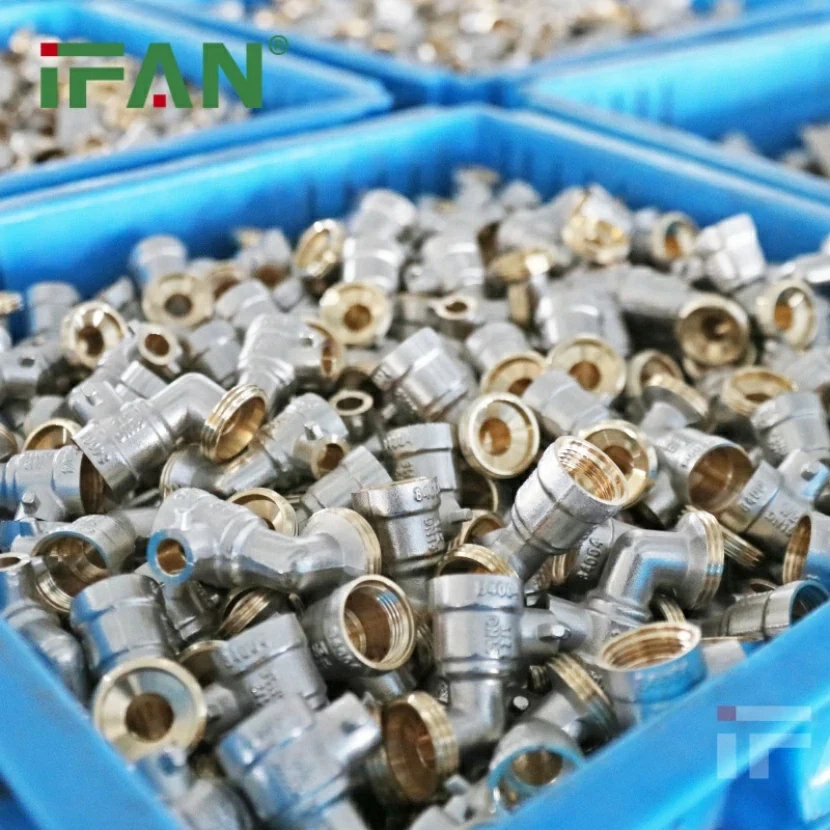
Brass fittings are a cornerstone in industrial piping systems, valued for their durability, versatility, and ease of use. Composed primarily of copper and zinc, brass offers the ideal combination of strength, corrosion resistance, and machinability. In industrial applications, where pipelines carry water, gas, or other fluids under varying pressures and temperatures, the efficiency of installation is crucial. Brass fittings simplify these processes by providing secure connections that are quick to assemble, highly reliable, and adaptable to a variety of system requirements.
Easy-to-Install Design
One of the key reasons brass fittings simplify pipeline installations is their straightforward design. They are typically manufactured with threaded, compression, or push-fit connections, which allow installers to secure pipelines without the need for complex tools or specialized training. Unlike welded or flanged metal fittings, which require careful alignment, cutting, or hot work, brass fittings can be attached with basic hand tools. This reduces installation time, minimizes errors, and ensures that systems can be commissioned faster, which is especially valuable in industrial projects with tight schedules.
Compatibility with Various Piping Materials
Brass fittings are highly compatible with different types of piping materials, including copper, stainless steel, PEX, CPVC, and other plastics. This flexibility allows engineers to design hybrid piping systems without worrying about mismatched components or complex adapters. In industrial environments where piping networks often integrate multiple materials, brass fittings act as a universal connector, simplifying planning and reducing the number of specialized parts required. This compatibility contributes directly to faster, more efficient installations.
Corrosion Resistance for Reliable Connections
Industrial pipelines are often exposed to harsh chemicals, high temperatures, and variable moisture levels. Brass's natural corrosion resistance ensures that fittings maintain structural integrity and a secure seal over time. Unlike steel or iron fittings, which may corrode and require frequent maintenance, brass fittings remain reliable even in challenging conditions. The durability of these fittings reduces the risk of leaks during installation, preventing costly rework and system downtime, which are critical factors in industrial projects.
Reduced Need for Specialized Labor
Because brass fittings are simple to connect and require minimal tools, they reduce the dependency on highly skilled labor. Unlike welding or soldering, which requires certification and specialized equipment, assembling brass fittings can be performed efficiently by general plumbing or industrial maintenance teams. This lowers labor costs and allows projects to move forward without delays due to limited availability of specialized technicians. Simplified installation also reduces potential safety risks associated with hot work or high-pressure system connections.
Versatility in Industrial Applications
Brass fittings are suitable for a wide range of industrial applications, including water distribution, compressed air systems, gas lines, and chemical pipelines. Their strength and adaptability make them ideal for environments with fluctuating pressures and temperatures. Because of this versatility, project planners can rely on a standard set of brass fittings for multiple pipeline sections, streamlining procurement and reducing inventory complexity. This further simplifies the overall installation process and helps maintain project efficiency.
Long-Term Reliability
The ease of installation provided by brass fittings does not come at the cost of performance. Their combination of mechanical strength, corrosion resistance, and temperature stability ensures long-term reliability. Pipelines installed with brass fittings often require fewer repairs or replacements over their lifespan, minimizing disruptions in industrial operations. The ability to trust that connections will remain leak-free and robust reduces ongoing maintenance and inspection requirements, adding another layer of efficiency to industrial pipeline management.
Conclusion
Brass fittings simplify industrial pipeline installations through their easy-to-use design, compatibility with multiple materials, and natural corrosion resistance. By reducing the need for specialized labor, accelerating assembly, and ensuring long-term reliability, they offer a practical solution for complex industrial piping systems. Their versatility and durability make brass fittings a preferred choice for engineers and installers seeking efficient, dependable, and cost-effective pipeline solutions.


