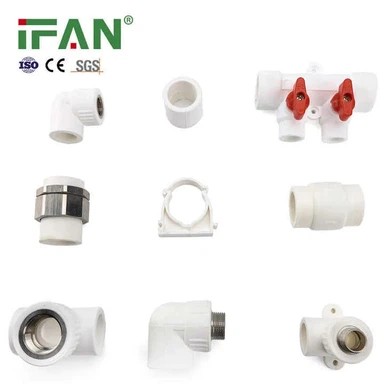

PP Compression Fittings Ensure Secure Pipe Connections
Sep 29, 2026

Forming Stable Connections Without Heat
Pipe connections play an important role in maintaining the integrity of a water distribution system. PP Compression Fittings provide a mechanical joining method for compatible polypropylene pipes and other suitable plastic piping systems.
A typical fitting consists of a fitting body, compression ring, and threaded nut. During assembly, the pipe enters the fitting body, while the nut compresses the internal components around the pipe. This creates a mechanical grip that keeps the pipe in its intended position.
The connection does not require welding or an open flame. This can make the installation process practical for projects where simple tools and controlled assembly are preferred. The fitting can also be useful when pipes need to be connected, extended, or modified on site.
Proper assembly remains essential. The pipe size, fitting specification, and installation method should always match the manufacturer's requirements.
Creating Reliable Mechanical Grip
The compression principle provides the main mechanical function of the fitting. When the nut is tightened, the compression ring moves into position and applies pressure around the pipe. This pressure helps prevent the pipe from pulling away from the fitting under normal operating conditions.
The effectiveness of this grip depends on accurate assembly. The pipe should be cut squarely and inserted to the required depth. Dirt, scratches, or deformation around the pipe end can interfere with proper fitting performance.
Installers should also avoid excessive tightening. Applying unnecessary force may damage plastic components or distort the connection. A controlled tightening process helps preserve the intended relationship between the pipe and fitting parts.
This makes installation technique an important part of achieving a secure PP compression connection.
Supporting Effective Sealing
Mechanical retention alone does not create a complete pipe connection. The joint must also control water movement around the connection area. PP Compression Fittings achieve this through compression between the pipe and internal fitting components.
A properly assembled fitting creates a controlled sealing area around the pipe. This helps contain the transported fluid while reducing the possibility of leakage during normal operation.
The sealing performance depends on compatible materials and correct dimensions. Using a fitting with the wrong pipe size can prevent the compression components from working correctly.
Before a system begins operation, installers should inspect completed joints and perform appropriate testing where required. Any connection showing abnormal movement or leakage should be corrected before the pipeline enters regular service.
Adapting to Practical Piping Projects
PP Compression Fittings can support many projects where plastic pipe systems require mechanical connections. They can be useful in water distribution, irrigation, agricultural installations, and other applications where the fitting specifications match the operating conditions.
Their mechanical assembly can also simplify modifications. When a pipeline needs an additional branch or a damaged section requires replacement, compression connections can provide a convenient joining method without requiring heat-based equipment.
However, application conditions still need careful consideration. Pressure, temperature, fluid characteristics, pipe material, and installation environment can all affect fitting suitability.
Using the fitting within its specified operating range helps maintain the intended connection performance.
Selecting the Correct PP Compression Fitting
A secure connection starts with correct product selection. Buyers should verify pipe outside diameter, fitting size, connection configuration, pressure rating, and material compatibility before installation.
The quality of the compression ring and fitting body also matters. Properly manufactured components should work together as a complete connection system rather than being mixed with unrelated parts.
Installation conditions should receive equal attention. Pipes need adequate support, and fittings should not be exposed to unnecessary bending or external loads. Proper routing can reduce stress on individual joints.
When the fitting is correctly selected and installed, PP Compression Fittings can provide stable mechanical connections for compatible piping systems. Their straightforward structure offers a practical solution for projects requiring secure joints, controlled sealing, and convenient field assembly.