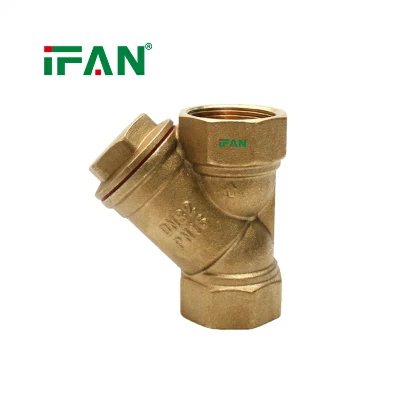

Brass Radiator Valve Ensures Reliable Heat Control
Sep 29, 2026

Managing Heat at Individual Radiators
Heating systems need accurate control to maintain comfortable indoor conditions. A radiator can produce too much or too little heat when water flow is not properly regulated. Brass Radiator Valves provide a practical control point between the heating pipework and individual radiators.
The valve regulates the amount of hot water entering the radiator. Adjusting the valve changes the available flow, which affects the heat released into the surrounding room. This allows different rooms to receive heating according to their individual requirements.
Such control becomes particularly useful in buildings with several rooms and varying heat demands. Bedrooms, living areas, offices, and corridors may not require the same heating level. Individual radiator control allows the heating system to respond to these differences without changing the entire system.
Supporting Consistent Water Flow
Reliable heat control depends partly on predictable water movement. If flow changes unexpectedly, radiator output can become difficult to manage. A properly selected valve provides a controlled passage for heating water.
The brass valve body offers a rigid structure around the internal flow path. Its mechanical construction allows the valve to withstand the normal pressure and temperature conditions specified for the heating system.
Flow control should still be considered alongside system balancing. A valve cannot compensate for incorrect pipe sizing, excessive system pressure, or poor circulation design.
When the entire heating network is properly configured, radiator valves can provide more consistent control at individual heating points. This helps create a more manageable relationship between water flow and room temperature.
Handling Heating System Temperatures
Radiator systems operate with heated water that can reach relatively high temperatures. Valve materials therefore need to match the temperature range and pressure conditions of the application.
Brass is commonly used for heating valve bodies because it provides a strong metallic structure and good resistance to normal water-service conditions. However, actual suitability depends on the specific brass alloy, valve design, seals, and manufacturer's rated limits.
The internal sealing components are especially important. They must remain suitable for the operating temperature and heating medium. Regular inspection can help identify signs of leakage, wear, or unusual valve operation.
Using a valve within its specified operating range helps maintain predictable performance throughout the heating cycle.
Improving Room-by-Room Heating Adjustment
Different areas of a building often have different thermal requirements. A room with large windows may lose heat faster than an interior hallway. Occupancy can also change throughout the day.
A radiator valve allows the user or heating control system to adjust individual radiators accordingly. This localized approach can make the heating network more responsive to changing room conditions.
Manual valves provide direct adjustment, while thermostatic radiator valves can respond to changes in surrounding air temperature. The appropriate type depends on the desired control method and heating system design.
Correct installation also matters. The valve should be fitted in the appropriate flow direction and connected securely to compatible pipework and radiator components.
Choosing a Brass Radiator Valve
Selecting a Brass Radiator Valve requires attention to more than connection size. Buyers should consider the heating medium, operating temperature, working pressure, valve type, connection standard, and radiator configuration.
The valve must match the existing pipework and radiator connection. Incorrect sizing can make installation difficult or restrict the intended water flow.
Material quality also deserves attention. A properly manufactured brass body, suitable seals, and accurately machined internal components can contribute to dependable valve operation.
With suitable specifications and correct installation, a Brass Radiator Valve can provide controlled water flow at individual radiators. This localized control supports stable heating management while allowing different areas of a building to receive heat according to their specific needs.