

HDPE Fitting GB-T 18992: Features, Applications, And Benefits
Nov 25, 2024
HDPE Fitting BS 7291: Features, Applications, and Benefits
When it comes to modern piping systems, choosing the right fittings is crucial for ensuring durability, safety, and overall system performance. HDPE fittings (High-Density Polyethylene) have emerged as a top choice for a variety of applications due to their exceptional strength, flexibility, and resistance to harsh environmental conditions. In this article, we will dive into what HDPE fittings are, their unique features, common applications, benefits, and how to choose the right fittings for your project.
1. What Are HDPE Fittings?
HDPE fittings are pipe fittings made from high-density polyethylene, a robust thermoplastic polymer. HDPE is widely used in piping systems due to its high tensile strength, resistance to corrosion, and flexibility. These fittings are designed to connect, divert, or regulate the flow of liquids and gases within piping networks. They are used in a range of industries, including water treatment, sewage systems, chemical processing, and even agricultural irrigation.
1.1 Characteristics of HDPE
HDPE is a thermoplastic material made from petroleum, with a density higher than other types of polyethylene. The key characteristics of HDPE fittings include:
Durability: HDPE fittings are highly resistant to impact, wear, and environmental stress. This ensures a long lifespan in a wide range of applications.
Chemical Resistance: HDPE is resistant to many chemicals, including acids, alkalis, and solvents, making it an ideal choice for industrial and chemical applications.
Flexibility: HDPE fittings are flexible, allowing them to withstand pressure and temperature fluctuations without cracking or breaking.
Corrosion Resistance: Unlike metal fittings, HDPE does not rust or corrode over time, even when exposed to moisture or harsh chemicals.
Lightweight: HDPE fittings are significantly lighter than metal alternatives, making installation easier and reducing transportation costs.
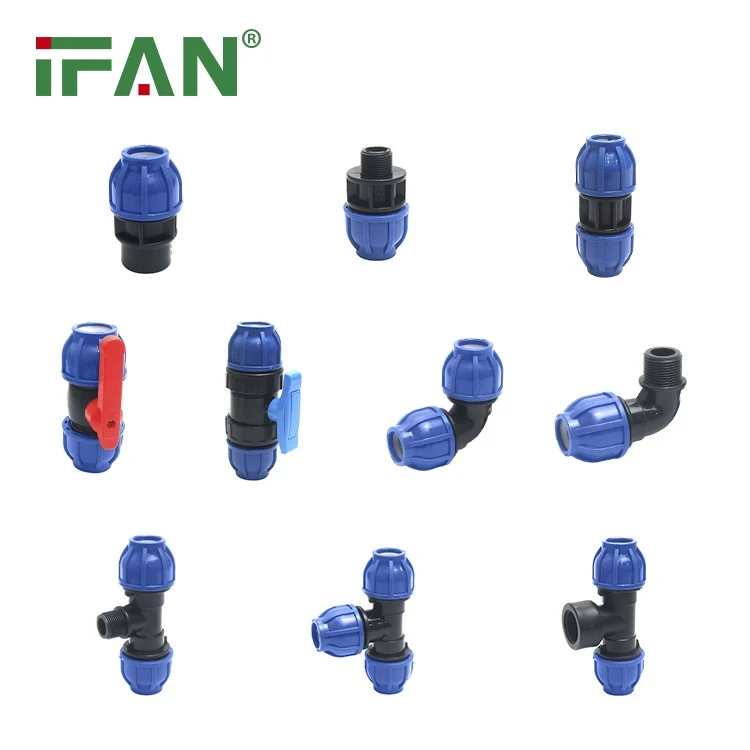
2. Common Applications of HDPE Fittings
HDPE fittings are used in a broad range of applications due to their versatility and reliable performance. Some common applications include:
2.1 Water Distribution Systems
One of the most common uses of HDPE fittings is in water distribution systems. HDPE is an excellent material for transporting potable water as it does not rust or degrade in the presence of moisture. HDPE fittings help connect pipes in municipal water systems, residential water supplies, and irrigation systems.
2.2 Sewage and Wastewater Systems
HDPE fittings are widely used in sewage and wastewater management systems. Their resistance to chemicals, corrosion, and abrasion makes them ideal for transporting waste, sewage, and industrial effluent. HDPE pipes and fittings are used in both underground and above-ground systems.
2.3 Chemical Processing and Industrial Pipelines
In the chemical and industrial sectors, HDPE fittings are used to transport a wide variety of chemicals and industrial fluids. The chemical resistance of HDPE ensures that it maintains its integrity even when exposed to harsh chemicals, acids, or solvents.
2.4 Gas Distribution Networks
HDPE fittings are also used in gas distribution systems, including natural gas pipelines. HDPE's resistance to cracking and its flexibility make it an excellent choice for gas transmission, ensuring safety and reliability.
2.5 Agricultural Irrigation
HDPE fittings are popular in agricultural irrigation systems due to their lightweight, flexible nature, and ability to withstand environmental conditions. They help connect irrigation pipes and ensure efficient water distribution across farms.
3. Benefits of HDPE Fittings
HDPE fittings are widely used because they offer several key benefits that make them an attractive option for various industries. Below are some of the advantages of using HDPE fittings:
3.1 High Durability and Longevity
HDPE fittings are designed for durability. Their resistance to corrosion, wear, and environmental factors ensures that they last longer than traditional materials like steel, copper, or PVC. This makes HDPE fittings a long-term investment for any system.
3.2 Resistance to Corrosion and Chemical Degradation
One of the primary reasons for using HDPE fittings is their high resistance to corrosion. Unlike metal pipes and fittings, HDPE does not rust or corrode when exposed to moisture, which extends the lifespan of the system. Furthermore, HDPE fittings are highly resistant to a wide range of chemicals, including acids, bases, and solvents, making them suitable for industrial applications.
3.3 Flexibility and Ease of Installation
HDPE fittings are flexible, which makes them easier to install compared to rigid piping materials. The flexibility of HDPE allows it to absorb pressure surges and thermal expansion without cracking. Additionally, HDPE fittings are lightweight, which reduces installation time and labor costs.
3.4 Leak-Free Joints
HDPE fittings are designed to create tight, leak-free joints. They are typically joined using heat fusion, a process that melts the ends of the pipe and fitting and then fuses them together. This creates a seamless, leak-resistant connection that ensures the integrity of the system.
3.5 Cost-Effective
HDPE fittings are more affordable than metal fittings like steel or copper, both in terms of initial cost and maintenance. The longevity, ease of installation, and reduced need for replacements make HDPE fittings a cost-effective choice for any piping system.
4. How to Choose the Right HDPE Fitting
Selecting the right HDPE fitting depends on several factors. Here are some key considerations to ensure you choose the best fitting for your needs:
Application: Consider the type of fluid or gas being transported, as well as the temperature and pressure conditions in your system. This will help determine whether HDPE is the right material for your project.
Size and Configuration: HDPE fittings come in a variety of sizes and configurations. Ensure the fitting matches the size and type of pipe you are using.
Chemical Resistance: Make sure the HDPE fitting is compatible with the chemicals in your system. Check the manufacturer's specifications to verify that the material can handle the chemicals in your application.
Installation Method: HDPE fittings are typically installed using heat fusion or electrofusion techniques. Ensure you have the necessary equipment and expertise for installation.
Regulatory Compliance: Ensure that the HDPE fittings comply with local standards and regulations, particularly if the piping system involves potable water, food-grade products, or hazardous materials.
5. Maintenance of HDPE Fittings
HDPE fittings require minimal maintenance due to their durability and resistance to corrosion. However, periodic inspections are recommended to ensure that there are no signs of wear, damage, or leakage. Here are some maintenance tips:
Inspect for Cracks or Deformation: Regularly check the fittings for any cracks, deformations, or signs of wear, especially in high-pressure applications.
Clean the Fittings: Ensure that the fittings are free from dirt, debris, or chemical buildup that could affect the system's performance.
Monitor Pressure Levels: Regularly check the pressure in the system to ensure that it is within the recommended limits for HDPE fittings.
6. Conclusion
HDPE fittings are a reliable and cost-effective solution for a wide range of piping applications, from water distribution to chemical processing. Their durability, resistance to corrosion, flexibility, and ease of installation make them an excellent choice for industries where reliability and long-term performance are essential. By selecting the right HDPE fittings and ensuring proper installation and maintenance, you can create a secure and efficient piping system that will serve you for many years to come.


