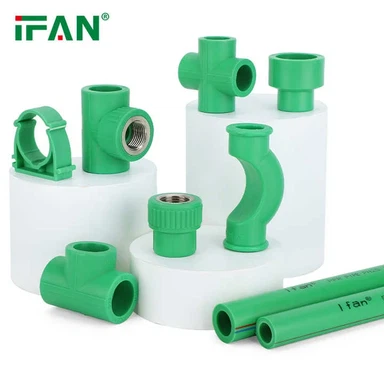
Reduce Installation Costs Using HDPE Fittings
Oct 29, 2026

Introduction: Controlling Costs Without Compromising Quality
Installing a pipeline involves more than purchasing pipes and fittings. Contractors must also account for labor, transportation, equipment, site preparation, jointing procedures, and project delays. When these expenses accumulate, even small improvements in installation efficiency can make a noticeable difference to the final budget. High-density polyethylene (HDPE) fittings offer several practical advantages that may help reduce installation costs when the material is appropriate for the project.
HDPE systems are used in water distribution, irrigation, drainage, wastewater management, and selected industrial applications. Their relatively lightweight components, adaptable pipe layouts, and available fusion joining methods can simplify certain construction tasks. However, savings depend on project size, site conditions, labor skills, and equipment requirements. By understanding these factors before construction begins, project managers can determine how HDPE fittings may improve efficiency while maintaining the quality and reliability of the finished pipeline.
1. Lowering Transportation and Handling Expenses
Moving piping materials from a supplier to a construction site can create significant costs, especially for projects involving long pipeline routes or remote locations. Heavy components may require additional lifting equipment, more labor, and careful handling throughout delivery and storage.
HDPE components are generally lighter than comparable metal components of similar application, which can make transportation and manual handling easier. Depending on the project, this may reduce the need for heavy lifting equipment and allow workers to move materials more efficiently around the site.
Lighter components can also simplify material staging in areas where access is restricted. Nevertheless, contractors should assess the dimensions, quantity, and handling requirements of the actual products rather than assume that every HDPE component can be moved manually. Appropriate lifting practices remain necessary to protect workers and prevent damage.
2. Improving Installation Productivity
Labor often represents a substantial portion of pipeline installation costs. The time required to position components, prepare connections, and complete quality checks directly influences project schedules.
HDPE fittings are available in standardized shapes and sizes, including elbows, tees, reducers, and adapters. Selecting the appropriate components during the design stage helps crews assemble the planned network without unnecessary modifications or repeated trips to obtain missing materials.
Where fusion joining is specified, trained workers can use established procedures to connect compatible HDPE pipes and fittings. Proper preparation and organized equipment placement help maintain a steady workflow. However, fusion requires suitable equipment, controlled procedures, and sufficient cooling time. Contractors should account for these requirements when estimating labor and scheduling work.
3. Reducing the Number of Required Connections
Every pipeline joint requires preparation, assembly, and inspection. A layout containing excessive fittings may increase material costs and create more opportunities for installation errors.
HDPE pipework can often follow gradual bends within the manufacturer's permitted limits. Where the design allows, this flexibility may reduce the need for separate elbows and additional joints. Fittings can then be reserved for necessary branches, directional changes, and transitions between components.
A simpler layout can reduce the number of installation tasks and make the pipeline easier to understand during construction. However, designers must not eliminate fittings when they are needed for proper routing or system functionality. Pipe sizing, bending limits, hydraulic performance, and maintenance access must remain priorities throughout the planning process.
4. Managing Equipment and Material Costs
HDPE installation may require specialized fusion equipment, suitable power supplies, and trained personnel. These requirements can represent a significant initial expense, particularly for smaller contractors or short-term projects.
The most economical approach depends on the amount of work involved. Contractors handling frequent HDPE projects may benefit from owning compatible equipment, while occasional users may find equipment rental or subcontracting more practical. Equipment availability, maintenance, transportation, and worker training should all be included in the cost estimate.
Material planning is equally important. Confirming pipe diameters, fitting quantities, and connection types before ordering helps prevent excess purchases and reduces the risk of costly site delays. Accurate scheduling also helps ensure that components arrive when installation crews are ready to use them.
5. Minimizing Repair and Maintenance Expenses
Installation costs should be evaluated alongside the expenses that may arise after a pipeline enters service. Leaks, damaged joints, and corrosion-related deterioration can require excavation, replacement materials, labor, and service interruptions.
HDPE fittings resist rust and many chemicals under suitable operating conditions. Properly executed fusion joints can also provide dependable connections between compatible components. These characteristics may reduce certain maintenance demands over the pipeline's service life.
However, reliable performance depends on correct installation, suitable pressure and temperature ratings, and appropriate material selection. Contractors should inspect joints and complete the required testing before the system is commissioned. Preventing installation defects is generally more economical than repairing them after the pipeline becomes operational.
Conclusion: Achieving Better Value Through Planning
HDPE fittings can help reduce installation costs through easier material handling, organized assembly procedures, and pipeline layouts that avoid unnecessary connections. Their potential financial benefits extend to maintenance when the system is correctly designed and installed.
Nevertheless, the lowest initial purchase price does not always produce the lowest overall project cost. Equipment expenses, labor requirements, site conditions, and future servicing must all be considered. By comparing these factors carefully and maintaining strict installation standards, contractors can use HDPE fittings to improve project efficiency, manage budgets, and build dependable pipeline systems.