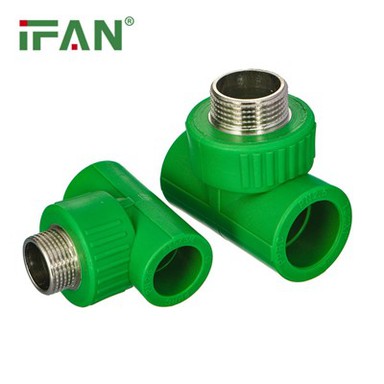

Reducing Leaks Using PPR Pipe Fittings
Jun 30, 2026

Why Leak Prevention Matters
Water leakage is one of the most common challenges in plumbing systems, regardless of whether the project is residential, commercial, or industrial. Even a small leak can lead to higher utility costs, property damage, equipment failure, and unnecessary maintenance. For builders and facility managers, preventing leaks starts with selecting reliable piping materials and connection methods. This is one reason why PPR pipe fittings have become increasingly popular in modern construction. Designed for secure connections and long-term durability, they help create plumbing systems that operate efficiently while reducing the risk of water loss throughout the life of the building.
Fusion Welding Creates Stronger Connections
Many plumbing failures occur at pipe joints rather than along the pipe itself. Traditional threaded or adhesive connections may gradually loosen because of vibration, pressure changes, or material aging. PPR pipe fittings address this issue through heat fusion technology. During installation, the pipe and fitting are heated to the correct temperature and then joined together, forming a continuous connection once cooled. Instead of acting as separate components, the pipe and fitting become a unified structure. This fusion process significantly lowers the possibility of leakage while improving the overall strength of the pipeline. When installed correctly, the connection remains reliable even after years of regular operation.
Durable Materials Support Long-Term Reliability
Leak prevention depends not only on connection quality but also on the properties of the material itself. PPR pipe fittings are produced from polypropylene random copolymer, which offers excellent resistance to corrosion, wear, and many chemical substances commonly found in water supply systems. Unlike metal fittings that may develop rust or scale over time, PPR maintains a smooth internal surface that supports consistent water flow. The material is also resistant to cracking under normal operating conditions, helping the system maintain its integrity despite daily pressure variations. These characteristics contribute to dependable performance and reduce the likelihood of unexpected failures.
Stable Performance Under Temperature Changes
Modern plumbing systems often carry both hot and cold water, creating repeated temperature fluctuations that can affect piping components. Materials with poor thermal stability may expand, contract, or weaken over time, increasing the risk of leakage. PPR pipe fittings are designed to accommodate these operating conditions while maintaining secure connections. Their thermal performance allows them to function effectively in domestic hot water systems, central heating applications, and cold water distribution networks. By remaining dimensionally stable during temperature changes, they help preserve the tightness of joints and reduce maintenance concerns throughout the system's service life.
Proper Installation Makes a Difference
Although PPR pipe fittings are designed for dependable performance, installation quality remains essential. Following recommended heating times, alignment procedures, and cooling requirements helps ensure that every fusion joint reaches its intended strength. Skilled installers also verify that pipe ends are clean and properly prepared before welding. Careful attention during installation minimizes the possibility of weak connections that could later develop into leaks. Combined with regular pressure testing after assembly, proper installation practices allow the full advantages of PPR systems to be realized while providing confidence in the completed pipeline.
Lower Maintenance and Operating Costs
Reducing leaks does more than protect water resources. It also helps lower maintenance expenses and minimize operational disruptions. Plumbing systems with reliable PPR pipe fittings require fewer repairs because their corrosion-resistant material and fused joints maintain stable performance over long periods. Building owners benefit from reduced maintenance visits, lower replacement costs, and fewer interruptions to daily operations. In commercial facilities and industrial plants, preventing leakage also helps protect surrounding equipment and reduces the possibility of costly downtime. Over the lifecycle of a building, these savings can make a significant difference in overall operating efficiency.
Supporting Sustainable Water Management
Water conservation has become an important objective in construction and infrastructure development worldwide. Every leak represents wasted resources that increase environmental and financial costs. By creating secure piping connections and maintaining long-term system integrity, PPR pipe fittings support more efficient water management. Their durability reduces the need for frequent material replacement, while reliable performance helps ensure that water reaches its destination without unnecessary loss. As sustainability becomes a higher priority across the construction industry, choosing leak-resistant piping components is an effective way to improve resource efficiency and support responsible building practices.
A Practical Choice for Reliable Plumbing Systems
Selecting the right pipe fitting is a critical step in building a dependable plumbing network. PPR pipe fittings combine durable materials, advanced fusion technology, and excellent resistance to corrosion to reduce the risk of leakage across a wide range of applications. Their ability to maintain reliable performance under varying temperatures and operating conditions makes them suitable for residential buildings, commercial facilities, and industrial projects alike. As more construction professionals focus on long-term reliability and efficient resource management, PPR pipe fittings continue to prove their value as a practical solution for creating secure, low-maintenance, and high-performance piping systems.