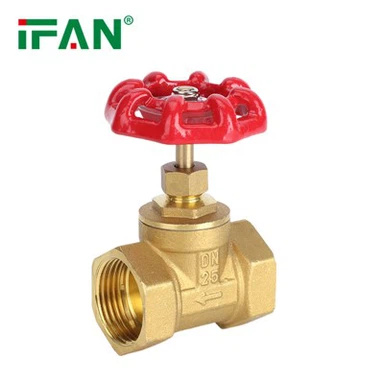

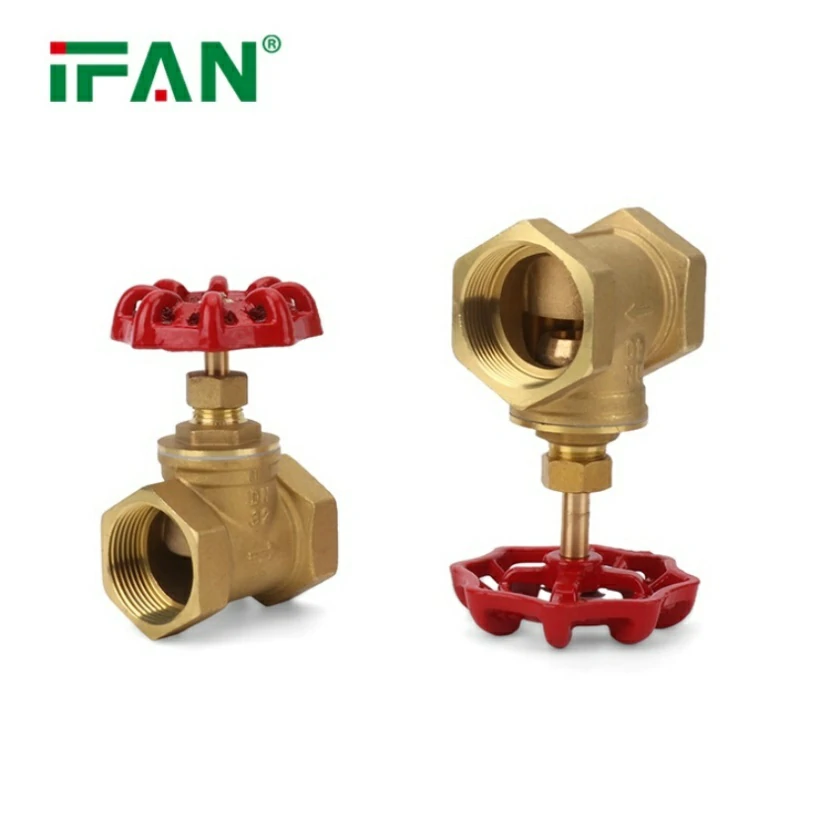

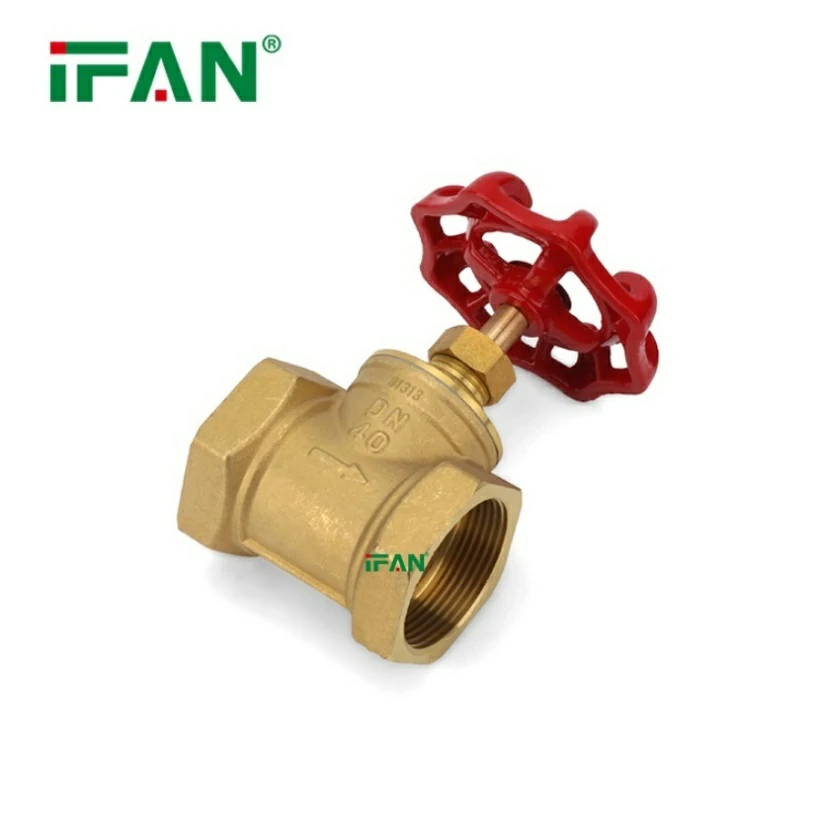

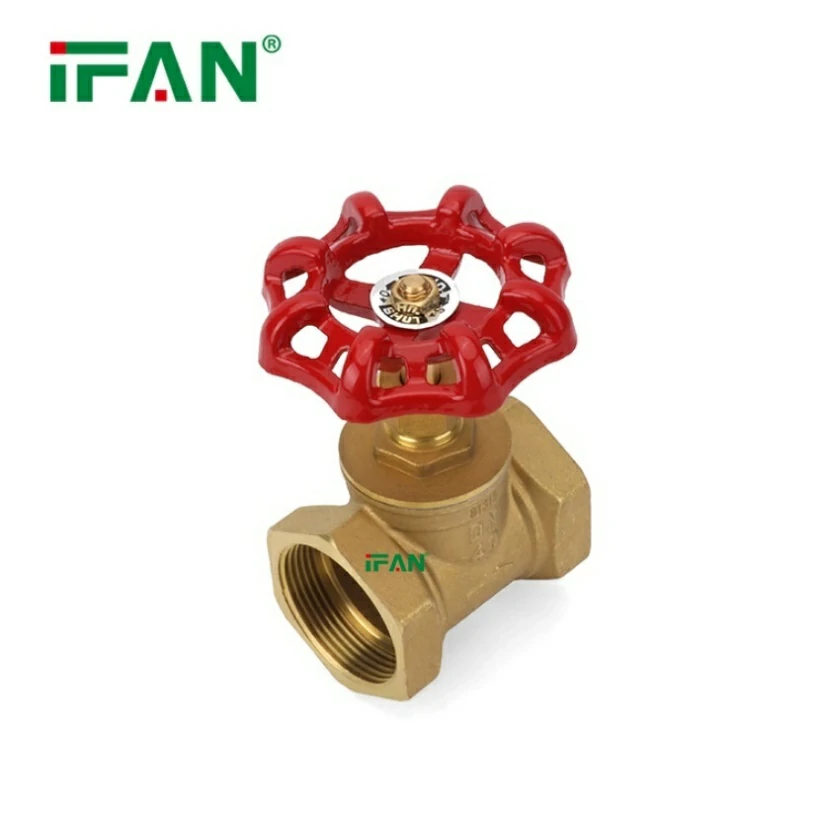
Brass Gate Valve Supports Long Service
Type:Brass Gate Valve
Brand:IFAN
Connecting method:Thread
Applications:Water Systems
Color:Brass
- Fast Delievery
- Quality Assurance
- 24/7 Customer Service
Product Introduction

| Product Name | Brass Gate Valve |
| Color | Brass Color |
| Size | 1/2''-1'' |
| Brand | IFAN or Customized |
| OEM |
Support |
| Sample | Free |
| Experience | 30+Years |
| Contact Us | Click HERE to contact us now! |
Welcome to contact IFAN, we are online 24 hours a day to answer your questions!
Introduction
In piping systems used for water distribution, heating networks, and light industrial processes, valves are expected to function over extended periods while maintaining stable operation. Service continuity is not determined by a single factor but by how internal components interact during repeated operation cycles, exposure to fluids, and mechanical movement. A brass gate valve is often selected in these systems because of the way its structural design and material behavior support extended operational use. Rather than focusing on general performance aspects, the discussion of long service is centered on how the valve maintains consistent internal function over time.
Stable Internal Movement Mechanism
A key factor influencing service continuity is how smoothly the internal gate moves within the valve body. In a brass gate valve, the gate is guided along a defined path controlled by the stem mechanism. This movement structure ensures that opening and closing operations follow a consistent trajectory each time the valve is operated.
Because the motion path remains fixed, internal components are not exposed to irregular mechanical shifts during repeated use. This controlled movement reduces variation in internal positioning, allowing the valve mechanism to operate in a predictable manner over multiple cycles. The stability of internal motion contributes directly to maintaining ongoing operational function.
Threaded Stem Consistency in Repeated Operation
The stem and thread interface in a gate valve plays an important role in translating rotational movement into vertical gate displacement. In brass gate valves, this threaded interaction follows a consistent mechanical pattern that repeats each time the valve is used.
As the handle is turned, the stem moves the gate along the same axis without deviation. This repeatable mechanical action ensures that the internal structure experiences uniform movement patterns over extended periods. The consistency of the threaded mechanism supports stable internal operation, which is essential for maintaining continued function across repeated usage cycles.
Controlled Contact Between Gate and Seat
The interaction between the gate and sealing seat is another important factor in long service behavior. Each time the valve is closed, the gate comes into contact with the seat in a defined position. This contact occurs in a consistent alignment, guided by the internal structure of the valve body.
Because the contact area remains predictable, the internal seating mechanism follows the same engagement pattern during each cycle. This repetition helps maintain consistent internal positioning of key components. Over time, this controlled contact behavior supports stable operation without significant variation in how the valve closes or opens.
Uniform Flow Exposure in Open State
When the valve is in the fully open position, fluid passes through the internal passage in a relatively direct path. The internal geometry of the brass gate valve ensures that exposure to flow is distributed across the passage in a consistent manner.
This uniform exposure means that internal surfaces experience similar flow conditions during each operating cycle. The repetition of these flow conditions contributes to maintaining stable internal behavior over extended usage. The predictable flow pattern in the open state is a key element in how the valve maintains ongoing operational continuity.
Consistent Material Structure in Valve Body
The internal structure of brass contributes to how the valve behaves during repeated mechanical and flow interactions. The alloy composition remains uniform throughout the valve body, meaning that internal components respond in a consistent manner to operational conditions.
This uniformity ensures that different sections of the valve do not behave differently under similar conditions. The consistent internal structure supports predictable mechanical response during both movement and fluid exposure. This structural consistency plays a role in maintaining steady operation over extended service periods.
Repetitive Operation Under Standard Conditions
In many piping systems, gate valves are operated repeatedly under similar conditions, such as regular opening and closing cycles in water distribution or process control systems. These repeated actions create a pattern of mechanical repetition that influences internal valve behavior.
The brass gate valve is designed so that each operation follows the same mechanical sequence. The repetition of identical movement cycles helps maintain consistent internal alignment of components. This predictability allows the valve to continue functioning in a stable manner even after numerous operational cycles.
Alignment Stability of Internal Components
Internal alignment is essential for ensuring that the gate, stem, and seat remain properly positioned during operation. In a brass gate valve, these components are arranged along a fixed internal axis that guides movement and interaction.
Because this alignment does not shift during operation, the internal structure maintains its geometric consistency over time. The stability of alignment ensures that each operational cycle follows the same internal configuration. This consistency contributes to maintaining functional continuity throughout repeated use.



Hot Tags: brass gate valve supports long service, China brass gate valve supports long service manufacturers, suppliers, factory, 2 Inch Brass Gate Valve, Brass Gate Valve, Brass Gate Valve 3 Inch, Brass Gate Valve Price, Brass Globe Valve, Gate Valve For Drinking Water