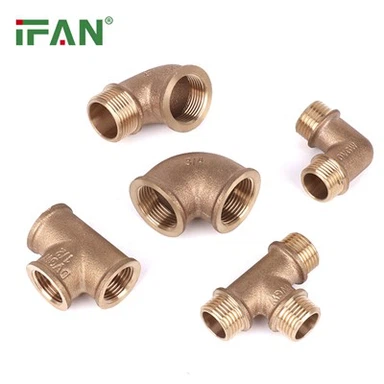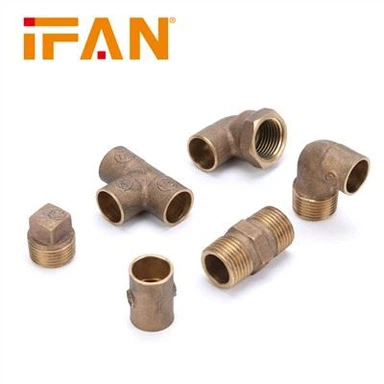

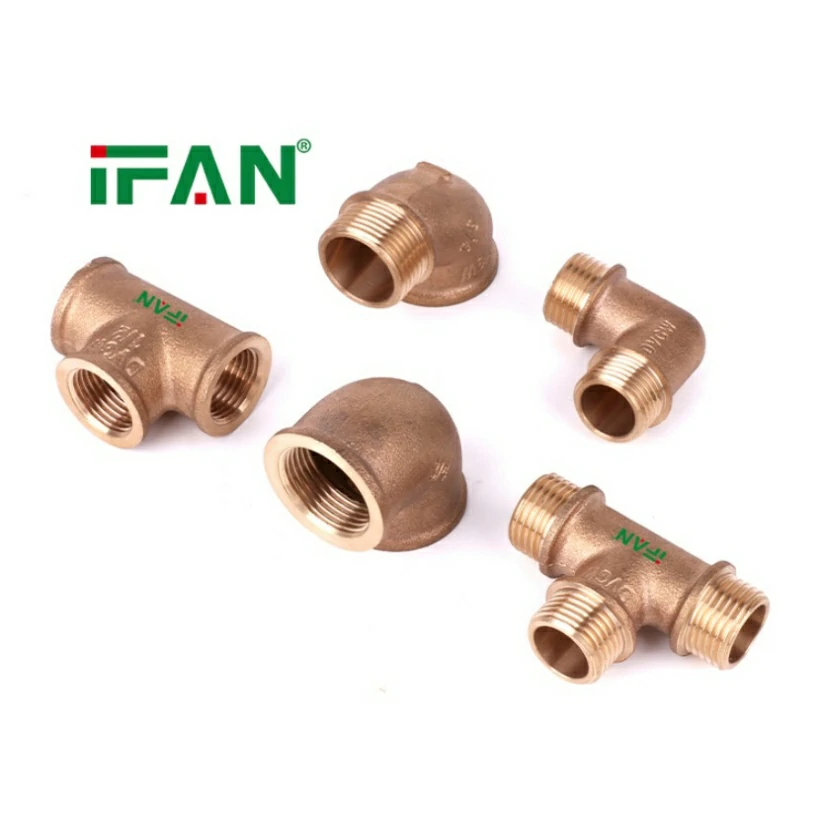

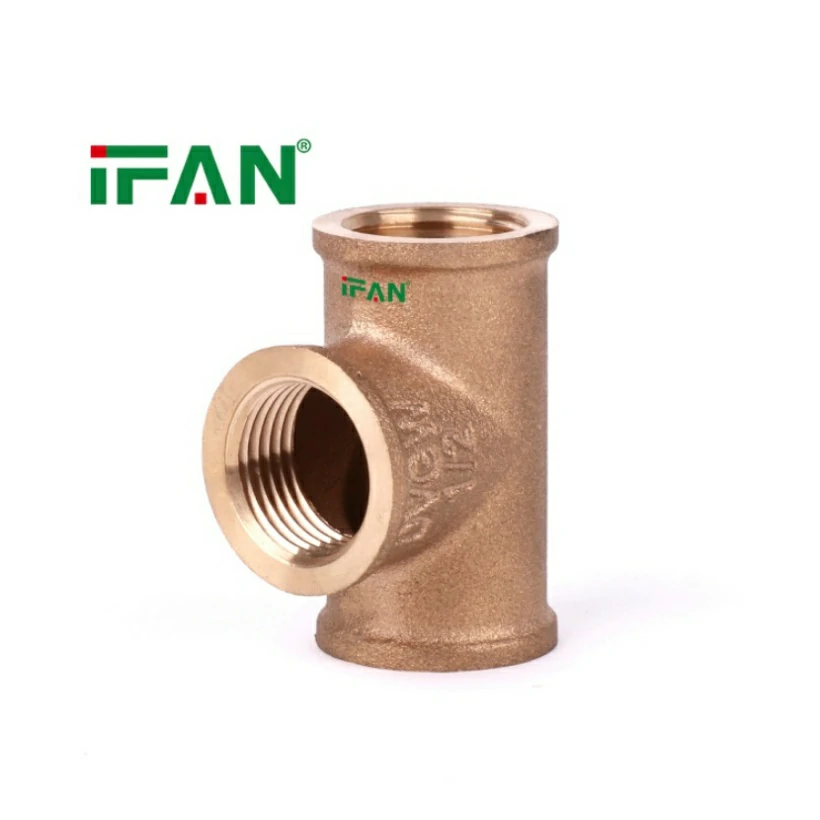
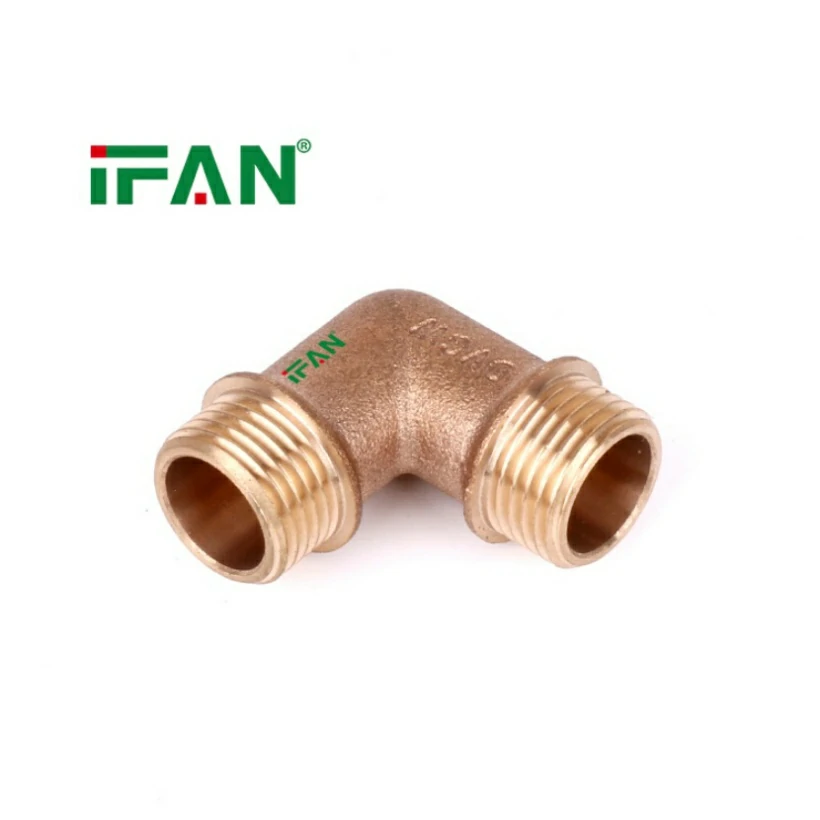
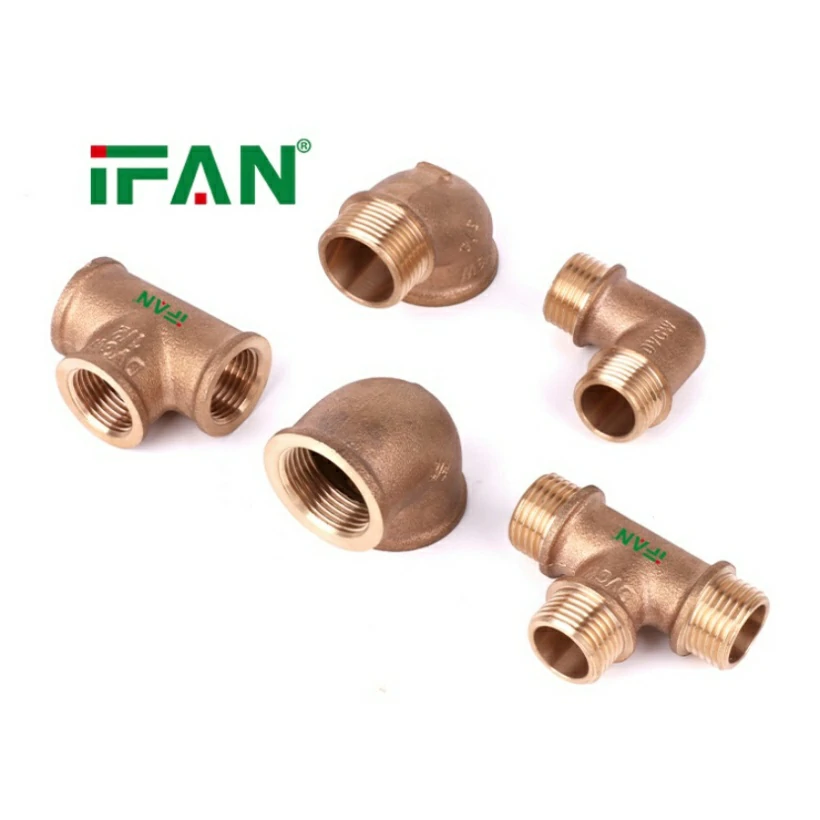
Bronze Threaded Fittings Handle Pressure Changes
Type:Stainless steel pipe fittings
Brand:IFAN
Connecting method:Thread
Applications:Water Systems
Color:Sliver
- Fast Delievery
- Quality Assurance
- 24/7 Customer Service
Product Introduction


| Product Name | IFAN Bronze Threaded Fittings |
| Size | 1/2"-1" Or Customized |
| Color |
Yellow Or Customized |
| Package | IFAN standard packaging |
| Features | Durable |
| Sample | Sample Free |
| Contact | Click HERE to contact us now! |
Welcome to contact IFAN, we are online 24 hours a day to answer your questions!
Understanding Pressure Changes in Piping Systems
Bronze threaded fittings are used in many plumbing and fluid-handling systems where pressure does not remain completely constant. Water systems can experience changes when pumps start or stop, valves open or close, fixtures begin operating, or flow direction changes. These conditions place different forces on threaded connections and require the fittings to be selected according to the actual operating pressure.
The ability of a bronze threaded fitting to handle pressure changes is closely related to its material specification, thread design, wall thickness, connection method, and installation quality. A fitting should never be evaluated separately from the pipe and other components connected to it.
Pressure handling therefore begins with system design. The expected working pressure, possible pressure peaks, fluid temperature, pipe dimensions, and connection type should all be considered before the bronze fitting is selected. This creates a more accurate basis for determining whether the fitting is suitable for the intended service.
Bronze Material and Pressure Conditions
Bronze is a copper-based alloy commonly used for threaded plumbing components. Its composition and manufacturing process influence the mechanical properties of the finished fitting. Different bronze alloys can have different pressure and temperature ratings, so the exact material specification matters.
When water pressure acts inside a threaded fitting, the internal force is transferred through the fitting body and into the connected pipe. The fitting must have sufficient structural capacity for the specified operating conditions.
This does not mean that every bronze threaded fitting has the same pressure capability. Pressure ratings should be obtained from the manufacturer or relevant product standard. The fitting's size and connection configuration can also affect the allowable pressure.
Selecting a bronze fitting based only on its appearance or nominal diameter is therefore not sufficient for a pressure-sensitive installation.
Thread Engagement and Pressure Control
The threaded connection provides the mechanical interface between the bronze fitting and the mating component. Proper thread engagement allows the fitting to remain correctly positioned while internal pressure acts on the joint.
The thread standard must be matched accurately. A fitting with the wrong thread profile, pitch, or nominal specification may not engage correctly and should not be forced into place.
The amount of usable thread engagement is also important. The connected components should be assembled according to the manufacturer's requirements so that the fitting is properly seated without damaging the thread surfaces.
When the threads are correctly matched and assembled, the connection provides a defined mechanical path for pressure forces. The pressure rating of the complete joint still depends on all components involved.
Pressure Fluctuations During Operation
Pressure changes can occur repeatedly in a plumbing system. For example, opening a valve changes the flow condition, while closing it changes the pressure distribution again. Pumps can also introduce pressure variations when they start or stop.
These changes should be considered during system design rather than focusing only on the normal static pressure. A fitting selected for ordinary working pressure may still need to accommodate temporary changes within the system's specified limits.
The severity of a pressure fluctuation depends on factors such as flow velocity, pipe length, valve operation, pump characteristics, and system configuration. In certain installations, water hammer or other transient pressure conditions can create short-duration pressure peaks.
Bronze threaded fittings should therefore be selected with reference to both normal operating pressure and any expected transient conditions.
Managing Water Hammer
Water hammer occurs when flowing water is forced to change velocity rapidly. Sudden valve closure is a common cause, but pumps and other operating events can also contribute to pressure surges.
These short pressure waves travel through the piping system and can place additional stress on fittings and connections. A properly designed system should address the possibility of such events rather than assuming that pressure will always remain steady.
Measures such as controlled valve operation, appropriate pipe sizing, suitable pressure-control equipment, and properly designed support systems can help manage transient conditions. The bronze fitting itself should have a pressure rating suitable for the expected service environment.
Understanding the complete hydraulic system is therefore essential when evaluating how a threaded fitting will respond to changing pressure.
Temperature and Pressure Are Connected
Pressure capability can change with temperature. Plumbing systems carrying heated water may operate under different pressure-temperature conditions from cold-water systems.
For this reason, a bronze threaded fitting's pressure rating should be checked at the actual operating temperature rather than relying only on a rating stated for room-temperature conditions.
Hot water can also cause connected piping to expand, producing movement within the system. If this movement is not properly accommodated, additional forces may be transferred to threaded fittings.
The system designer should therefore consider temperature, pressure, thermal expansion, and pipe routing together. A fitting that is correctly rated for pressure under the relevant temperature conditions can then be incorporated into the overall design with greater accuracy.
Installation Influences Pressure Performance
Correct installation is essential when a threaded fitting is expected to handle changing pressure. The threads should be clean and undamaged before assembly, and the fitting should be aligned correctly with the mating component.
A suitable thread sealant should be selected according to the application. The fitting should then be tightened using the procedure recommended by the manufacturer. Excessive tightening can damage threads or create unnecessary stress, while insufficient tightening may prevent the joint from being assembled correctly.
Pipe alignment also matters. A fitting should not be forced into position to compensate for a poorly aligned pipe. Unwanted mechanical loads can combine with internal pressure and change the conditions experienced by the connection.
Pressure Testing the Completed Joint
Pressure testing provides a practical way to evaluate the assembled piping system before normal operation. The test pressure and procedure should follow the applicable plumbing code, project specification, and manufacturer's instructions.
During testing, the threaded fittings and connected pipe sections can be inspected for leakage or other abnormal conditions. If a problem is detected, the connection should be investigated to determine its actual cause.
Repeatedly tightening a fitting without identifying the source of a problem is not an appropriate substitute for proper inspection. The issue may involve incorrect thread matching, damaged threads, unsuitable sealant, misalignment, or a pressure condition outside the fitting's intended rating.
Selecting Fittings for Changing Pressure
Bronze threaded fittings can handle pressure changes when they are correctly specified for the system's working and transient conditions. Their pressure performance depends on the bronze alloy, fitting dimensions, thread design, connection method, temperature, and installation procedure.
A reliable selection process begins by identifying the pressure range the plumbing system is expected to experience. Normal operating pressure, possible surges, water temperature, and fluid characteristics should then be compared with the manufacturer's fitting specifications.


Hot Tags: bronze threaded fittings handle pressure changes, China bronze threaded fittings handle pressure changes manufacturers, suppliers, factory, Bronze Fitting, Bronze Pipe Fitting, Bronze Plumbing Fitting