

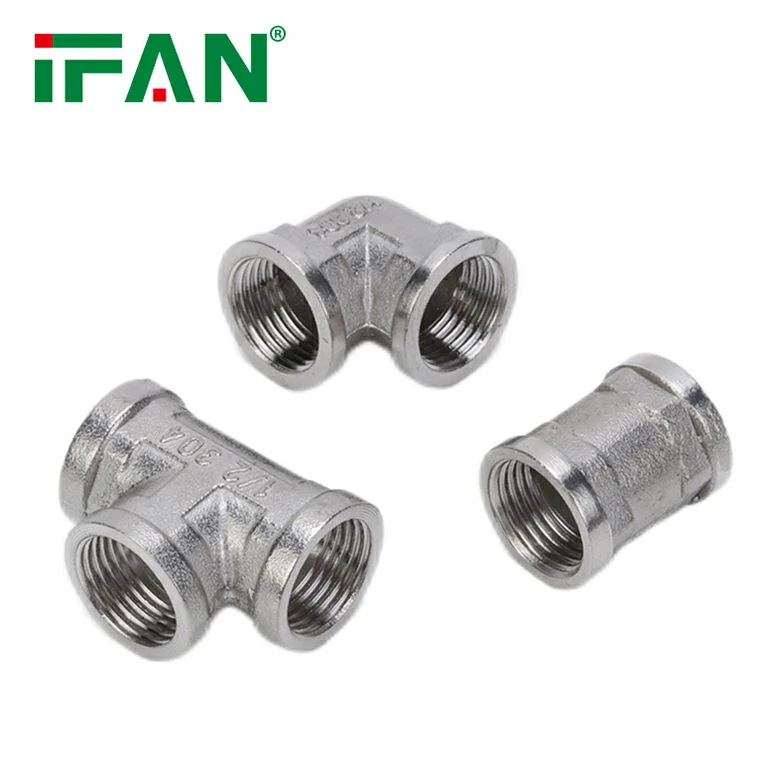

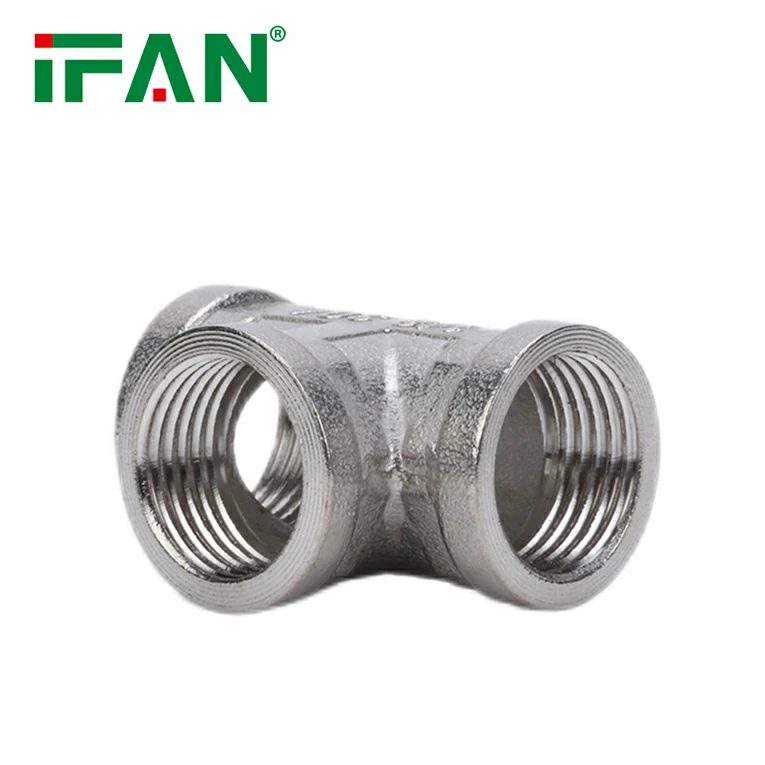
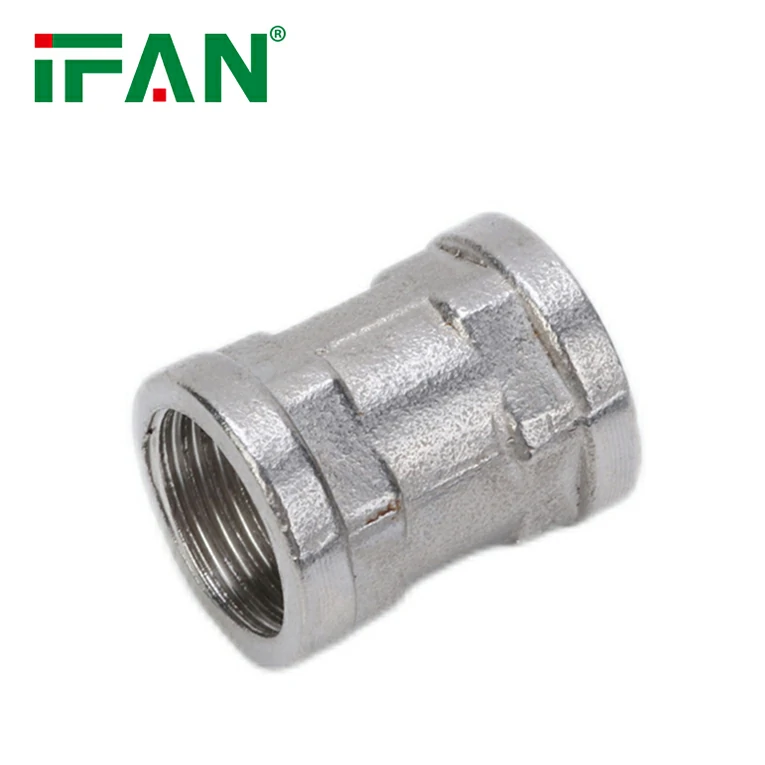
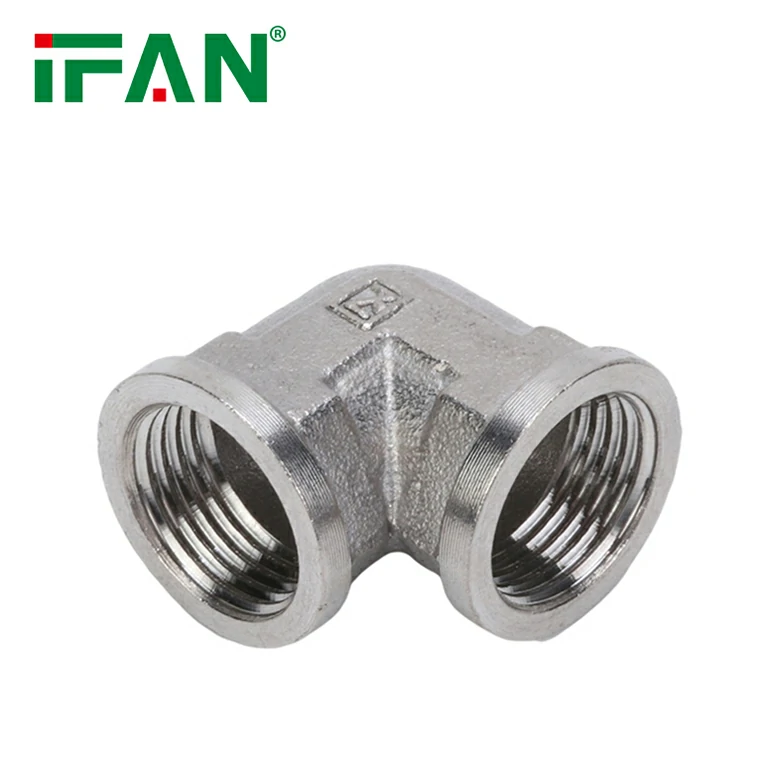
Stainless Steel Pipe Fittings Maintain System Hygiene
Type:Stainless steel pipe fittings
Brand:IFAN
Connecting method:Thread
Applications:Water Systems
Color:Sliver
- Fast Delievery
- Quality Assurance
- 24/7 Customer Service
Product Introduction


| Product Name | IFAN Brass Thread Fittings |
| Size | 1/2"-2" Or Customized |
| Color |
Yellow/White Or Customized |
| Package | IFAN standard packaging |
| Features | Durable |
| Sample | Sample Free |
| Contact | Click HERE to contact us now! |
Welcome to contact IFAN, we are online 24 hours a day to answer your questions!
Introduction
Hygiene is a critical requirement in many piping systems, particularly those used in food processing, beverage production, pharmaceuticals, biotechnology, and purified water distribution. In these environments, maintaining a clean flow path is essential to prevent contamination and ensure product quality. While pipes transport the media, pipe fittings play an equally important role because they connect sections of the system and influence how materials flow through the network. Stainless steel pipe fittings are widely used in hygienic applications because their design and surface characteristics help support cleanliness throughout the piping system. Their ability to maintain sanitary conditions makes them a key component in industries where hygiene standards are strictly controlled.
Smooth Internal Surfaces Reduce Residue Accumulation
One of the primary factors affecting hygiene is the condition of the internal surface that comes into contact with the product. Rough surfaces can trap particles, liquids, or process residues, creating locations where contamination may develop. Even small surface irregularities can interfere with cleaning procedures and make it more difficult to maintain sanitary conditions.
Stainless steel pipe fittings are commonly manufactured with smooth internal finishes that minimize areas where materials can accumulate. The refined surface allows process media to move through the fitting with fewer opportunities for residue retention. By reducing the presence of trapped materials, the fittings help maintain a cleaner flow path throughout the piping system.
Hygienic Design Supports Clean Flow Paths
In sanitary systems, the geometry of a fitting is just as important as the material from which it is made. Complex internal shapes, sharp corners, or inaccessible cavities can create locations where product residues remain after operation. These areas may become difficult to clean and inspect.
Many stainless steel pipe fittings used in hygienic applications are designed with smooth transitions and streamlined internal contours. These features help eliminate unnecessary crevices and support continuous flow through the system. By promoting clean flow paths, the fittings contribute to maintaining sanitary conditions during processing operations.
Minimizing Dead Legs Within Piping Networks
A dead leg is a section of piping where fluid movement is limited or stagnant. In hygienic systems, stagnant zones are undesirable because they can allow materials to remain in the system for extended periods. Effective sanitary design seeks to minimize these areas whenever possible.
Stainless steel pipe fittings are available in configurations specifically intended to reduce the formation of dead legs. Properly designed tees, branches, and connection points help maintain fluid movement throughout the network. By supporting consistent circulation, these fittings contribute to the overall hygiene objectives of the system.
Compatibility with Cleaning Procedures
Cleaning is a routine part of operation in sanitary industries. Equipment and piping systems must be cleaned regularly to remove product residues and maintain cleanliness standards. The effectiveness of cleaning procedures depends in part on the ability of components to withstand repeated cleaning cycles while remaining accessible to cleaning agents.
Stainless steel pipe fittings are commonly incorporated into systems that use cleaning-in-place (CIP) and sterilization-in-place (SIP) methods. Their surfaces and configurations allow cleaning solutions to circulate effectively through the system. This compatibility supports cleaning procedures designed to maintain hygienic operating conditions without requiring extensive system disassembly.
Supporting High-Purity Applications
Certain industries require exceptionally high levels of cleanliness. Pharmaceutical manufacturing, biotechnology production, and semiconductor-related processes often involve strict purity requirements that demand careful control of contamination risks.
Stainless steel pipe fittings are frequently specified for these applications because they can be manufactured to meet stringent sanitary standards. Their controlled surface finishes and hygienic designs help support environments where product purity is a primary concern. In such systems, maintaining a clean internal flow path is essential throughout every stage of production.
Consistent Connections Help Maintain Cleanliness
Every connection within a piping system represents a potential location where contaminants could accumulate if the joint is not properly designed. Gaps, misalignments, or irregular transitions between components may create areas that are difficult to clean thoroughly.
Stainless steel pipe fittings are manufactured with precise dimensions that support proper alignment with adjoining components. Accurate connections help create continuous internal surfaces and reduce interruptions along the flow path. This consistency assists in maintaining hygienic conditions throughout the network and supports effective cleaning procedures.
Application in Food and Beverage Processing
Food and beverage production requires strict adherence to hygiene standards because products are intended for human consumption. Piping systems transport ingredients, liquids, and finished products through multiple stages of processing. Maintaining cleanliness throughout this process is essential.
Stainless steel pipe fittings are widely used in these facilities because their sanitary characteristics align with industry hygiene requirements. Smooth internal surfaces, hygienic connection designs, and compatibility with cleaning systems help maintain clean product pathways. As a result, they are commonly integrated into dairy processing, beverage manufacturing, brewing operations, and other food-related applications.
Supporting Inspection and Validation Processes
Hygienic systems often require regular inspection and validation to confirm that cleanliness standards are being maintained. Components with predictable surface conditions and standardized designs can simplify these activities by allowing more consistent evaluation of system cleanliness.
Stainless steel pipe fittings used in sanitary environments are often manufactured according to recognized hygienic specifications. Their consistent construction helps support inspection procedures and cleanliness verification processes. This alignment with sanitary requirements contributes to maintaining controlled hygienic conditions throughout the system.


Hot Tags: stainless steel pipe fittings maintain system hygiene, China stainless steel pipe fittings maintain system hygiene manufacturers, suppliers, factory, Stainless Steel Threaded Pipe Fittings
You Might Also Like
-

Stainless Steel Pipe Fittings Withstand Extreme Temp...
-

Stainless Steel Pipe Fittings Suit Industrial Applic...
-

Stainless Steel Pipe Fittings Enable Leak-free Conne...
-

Stainless Steel Pipe Fittings Support High-pressure
-

Stainless Steel Pipe Fittings Resist Corrosion
-

Stainless Steel Threaded Pipe Fittings
