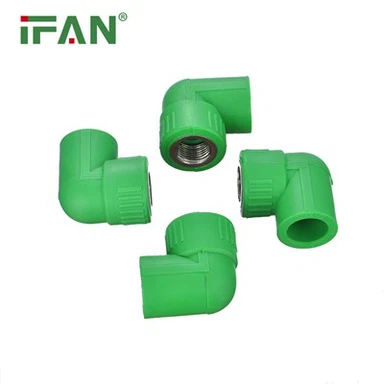

An Insight into PPH Fittings ISO 15494
Aug 19, 2024
Versatile Connections in Plumbing and Piping Systems: An Insight into PPH Fittings

I. Overview of PPH Fittings ISO 15494
Polypropylene Homopolymer (PPH) fittings ISO 15494 have emerged as a staple in modern plumbing and piping systems due to their exceptional durability, chemical resistance, and cost-effectiveness. PPH, a variant of polypropylene, boasts superior strength and heat resistance compared to other plastic materials, making it ideal for a wide range of applications, from potable water distribution to industrial fluid transfer. These fittings are designed to seamlessly connect pipes, ensuring a reliable and leak-proof system.
II. Key Features and Advantages
Durability and Longevity: PPH fittings are renowned for their long service life, resisting degradation from UV rays, corrosive chemicals, and temperature fluctuations. This ensures continuous performance in demanding environments, reducing maintenance costs and downtime.
Chemical Resistance: The inherent properties of PPH enable it to withstand exposure to acids, alkalis, and various solvents, making it suitable for use in chemical processing and wastewater treatment plants.
Easy Installation and Maintenance: Lightweight and versatile, PPH fittings can be installed quickly using either fusion welding or mechanical jointing methods, simplifying installation processes and minimizing labor costs. Maintenance is also straightforward, as damaged sections can be easily replaced.
III. Applications Across Industries
Potable Water Supply: PPH fittings are commonly used in residential and commercial water distribution systems due to their hygiene and safety standards, ensuring clean and safe drinking water.
Chemical and Process Industries: Their chemical resistance makes PPH fittings indispensable in handling aggressive fluids in the chemical, petrochemical, and pharmaceutical industries.
Irrigation and Agriculture: In agriculture, PPH fittings are preferred for irrigation systems, as they can withstand exposure to fertilizers, pesticides, and varying weather conditions.
IV. Fusion Welding Techniques
A critical aspect of PPH fitting installation is the use of fusion welding techniques, which create a strong, permanent bond between the fitting and pipe. This method ensures a leak-proof connection that can withstand high pressures and temperatures. The process involves heating the mating surfaces of the fitting and pipe to a melting point, then pressing them together to form a homogeneous joint.