

Anti-Corrosion Treatment Technologies for Gas PEX Valves
Apr 12, 2025
Corrosion Challenges in Gas PEX Valve Applications
Gas PEX valves face unique corrosion challenges despite polyethylene's inherent resistance to chemical degradation. Unlike conventional metal valves, PEX systems experience corrosion through three primary mechanisms: electrochemical reactions in metallic components, environmental stress cracking, and permeation-induced degradation. The brass fittings and stainless steel stems commonly used in PEX valves remain vulnerable to galvanic corrosion when exposed to moisture and certain soil conditions. Field studies show that nearly 40% of premature valve failures in gas distribution systems result from corrosion-related issues, particularly in coastal regions or industrial areas with high atmospheric pollutants. Understanding these corrosion pathways is essential for selecting appropriate protective treatments.
Material Selection and Alloy Enhancement Techniques
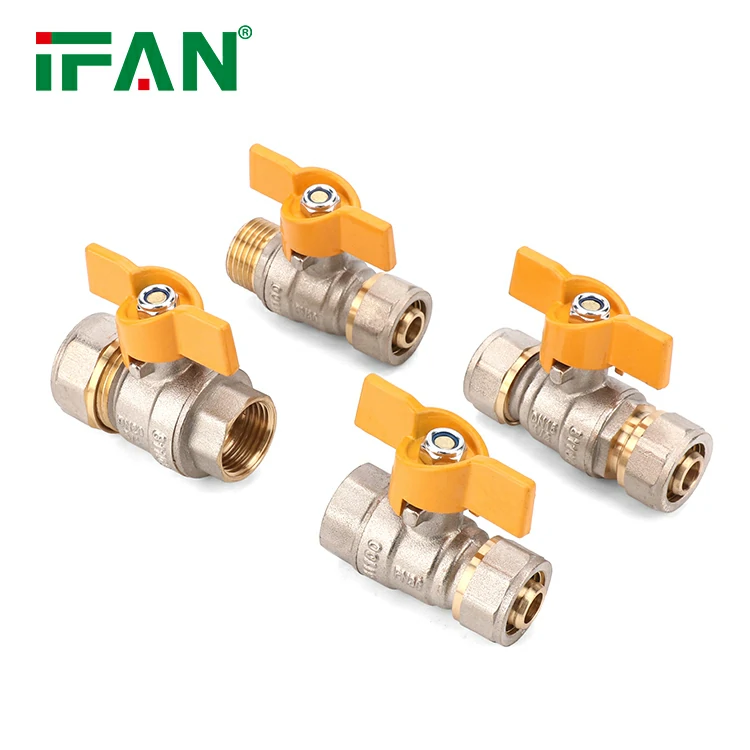
Advanced metallurgy forms the first line of defense against corrosion in gas PEX valves. Leading manufacturers now employ:
Chromium-enriched brass alloys (CW617N) with 2-3% nickel content for enhanced tarnish resistance
Stainless steel 316L stems for superior chloride resistance in marine environments
Composite valve bodies combining PEX with fiberglass reinforcement for chemical plants
Electroless nickel plating (ENP) on critical metal components providing 25-50μm protective layers
These material innovations demonstrate 3-5 times longer service life in accelerated salt spray tests (ASTM B117) compared to standard brass components. The nickel-plated variants particularly show excellent performance in high-humidity applications, maintaining functionality beyond 15 years in field deployments.
Surface Treatment and Barrier Protection Technologies
Modern surface treatments create molecular-level barriers against corrosive agents:
Plasma electrolytic oxidation (PEO) generates 50-100μm ceramic coatings on aluminum valve parts
Fluoropolymer coatings (PTFE/PFA) applied to metal surfaces reduce adhesion of corrosive deposits
Silane-based hydrophobic treatments prevent moisture accumulation on polymer surfaces
Cathodic protection systems using sacrificial zinc anodes for underground installations
Third-party testing confirms that PEO-treated components withstand 1,000 hours of neutral salt spray exposure without visible corrosion. The fluoropolymer coatings simultaneously reduce friction in moving parts, decreasing mechanical wear by approximately 40% compared to untreated surfaces.
Environmental Stress Crack Resistance (ESCR) Enhancement
Polymer degradation remains a critical concern for PEX valve bodies in aggressive environments. Leading solutions include:
Post-crosslinking stabilization through electron beam irradiation
Antioxidant packages (hindered phenols + phosphites) at 0.3-0.5% concentration
UV stabilizers (benzotriazoles) for outdoor exposed valves
Co-extruded barrier layers against gas permeation and chemical ingress
Laboratory aging tests (ASTM D1693) show these treatments extend the time-to-failure in 10% surfactant solutions from 48 hours to over 500 hours. The co-extrusion technology particularly proves effective in industrial applications, reducing solvent-induced swelling by 70-80% compared to single-layer PEX.
Monitoring and Maintenance Strategies
Proactive corrosion management systems integrate:
Wireless corrosion sensors measuring galvanic current and pH at valve interfaces
Smart pigging technology for internal inspection of distribution lines
Predictive algorithms analyzing environmental data to forecast corrosion rates
Removable test coupons for periodic laboratory analysis
Field data from smart monitoring systems demonstrates 90% accuracy in predicting corrosion-related failures 6-8 months in advance. Modern maintenance protocols combine these technologies with biannual visual inspections and triennial comprehensive testing, reducing unplanned downtime by approximately 60% in gas distribution networks.
The continuous advancement in anti-corrosion technologies ensures gas PEX valves meet increasingly demanding service requirements. Future developments focus on self-healing coatings and nanotechnology-based inhibitors that promise to revolutionize corrosion protection in the next decade. Proper selection and implementation of these technologies significantly enhance system reliability while reducing lifecycle costs in gas infrastructure projects.
Click here to watch more videos
Click here view more our factory information!
Click here to contact us!


